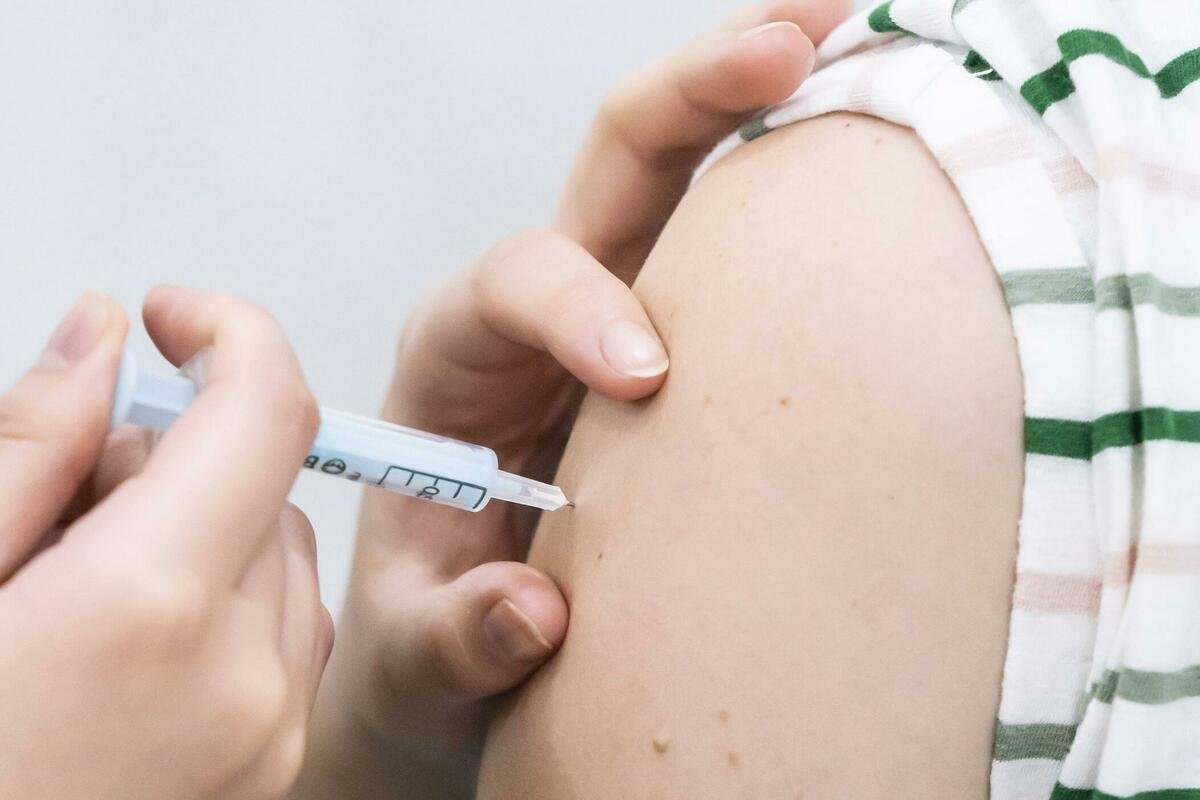
The sexually transmitted human papillomavirus is so widespread that it is estimated that almost everyone who has not been vaccinated will be infected at least once in their lifetime.
HPV is the short name for a group of microorganisms from the same group, of which there are more than 100, and some of them can lead to cervical cancer.
Not every type of virus will cause cancer – on the contrary, nine out of ten types will disappear from the body in two years, but it is estimated that currently in America, 42 million people have the high-risk form.
Almost all cervical cancers (99.7 percent) are caused by infection with a high-risk type of HPV.
Fortunately, there are vaccines that can prevent this.
Although they are recommended by the most reputable medical institutions due to their proven effectiveness World Health Organization and the US Centers for Disease Control especially for young people, their safety has been debated for two decades.
Influences HPV vaccines for infections, genital warts and precancerous conditions of the cervix were observed fairly quickly after it was introduced, according to Megan Smith, principal scientist of the Cancer Elimination Program at Australia’s University of Sydney.
“The period from infection to cervical cancer is long, which is why it took a long time to confirm the effectiveness of the vaccine in preventing infection and preventing cancer.”
“But the HPV vaccine has been proven to be effective in preventing cervical cancer and this is now clearly seen in the numbers, among other things, in Sweden, England, Holland and United States“, he adds in a written answer for the BBC in Serbian.
Experts say that the vaccine against HPV is most effective when girls and boys receive it before they have sexual relations, that is, they do not come into contact with the virus.
This vaccine is in Serbia from 2022. free for girls and boys aged between nine and 19, and in 2024 it became also for young people up to 26 years old.
With the recommendation of a specialist (gynecologist, urologist, dermatovenerologist and epidemiologist), from April 2026, even adults up to 45 will no longer have to pay for the nine-valent HPV vaccine.
It’s Serbia another country in mortality from cervical cancer, and the fifth in incidence in Europe.
It occurs more often in people older than 35, and every year it is diagnosed in 1,133 women.
440 of them pass away from him every year, the data is Cancer Registry of the Institute for Public Health Batut, more than one a day.
Since the expansion of immunization, social networks in Serbia have been additionally flooded with doubts and misconceptions about the HPV vaccine.
Here are a few of the most common.
Watch the video: Everything you wanted to know about the HPV vaccine
‘Doesn’t protect adults’
Jovana Netković is 42 years old and has not had any gynecological problems until now.
However, she wanted to get the HPV vaccine and a few weeks ago she received the first of three doses.
“I only wanted to get vaccinated for prevention, because it is the most important thing when it comes to health,” she told the BBC in Serbian.
She thought about vaccination even before it became free and available for adults up to 45 in Serbia.
There was no vaccine when she was younger, and she wishes there had been, because “there was more use then”.
“I asked my gynecologist and what is the point of admitting her at this age.”
“Although I was ready to receive it and it only provides 30 percent protection, because it certainly reduces the probability that I will have cervical cancer or some other complication in the future, and that means a lot to me,” says Netković.
Vaccines do not curebut they can help our immune system create antibodies against certain viruses.
Studies have shown that the vaccine protects against HPV infection for at least ten years, although experts expect it to last much longer.
In adults who have not been previously exposed to the virus, the HPV vaccine reduces the risk of cervical cancer by between 43 and up to 54 percent, the data is studies published in a medical journal Lancet in 2021
That protection was up to 90 percent in children and teenagers vaccinated before entering into sexual relations, according to the results of the same research.
In Australia, the vaccine is legally required and 95 percent of people have received it.
Risk of cervical cancer was reduced by 90 percent.
Number of vaccinated with the first dose in Serbia aged 27 to 45 from January to the end of April 2026 is 335.
About 9.7 percent of the nine- to 19-year-olds were vaccinated with the first dose.
‘I’m doing a pap test, I don’t need a vaccine’
Unlike Jovana, 34-year-old Nada Popović from Niš has not yet made a final decision.
“I don’t have a problem with vaccines, I received them as a child, but I’m still reserved.”
“I go for regular annual check-ups, I do a Pap test, I get tested for HPV, I’m always negative and I think I’ll wait a little longer,” she said briefly to the BBC in Serbian.
Because of this, her friends and her doctor have been condemning her in recent days.
“They put pressure and make me even more nervous, and little by little they reject the idea more and more,” he adds.
Papanicolaou, or Pap test for short, is a unique smear of the cervix that helps to detect cancerous cells.
The vaccine prevents most cervical cancers between 70 and 90 percent of the time, Dr. Smith points out, which does not preclude regular checkups.
“Therefore, regular preventive examination (screening) of the cervix is still recommended to those who have been vaccinated, in order to protect themselves in the remaining cases that the vaccine did not prevent.”
Elimination of cervical cancer will only be possible through a combination of vaccination, screening and HPV testing. indicate from Committee for Prevention of the European Society for Gynecological Oncology.
“If you’re getting the vaccine at an older age, since you’ve become sexually active, it’s especially important to get screened because you may have acquired the infection before you got the vaccine,” adds Megan Smith.
Watch the video about the origin of the Papanicolaou test
‘Vaccine encourages young people to have sex’
Since Ireland started a school-based HPV vaccination program for 12- and 13-year-olds in 2010, more than 86.9 percent of teenagers have been vaccinated.
However in 2015 the first doubts about the safety of the vaccine appear and initiate anti-immunization initiatives.
One of the parental concerns is that the vaccine given in the teenage period will encourage earlier sexual activity and promiscuity.
They argued that there was no need to give it at such an early age when children had not yet had sex.
There was also resistance in Japan and Denmark, and it did not bypass Serbia either, where smaller protests were also organized.
“Dozens of studies have tested these suspicions, and there is no evidence that vaccines encourage early sexual intercourse or the need to have multiple partners,” points out scientist Smith.
Adolescents vaccinated before age 15 had more antibodies to HPV than those vaccinated later, data are from the European Committee for Prevention.
“The earlier children are vaccinated, the better, starting from the age of 9.
“You can never vaccinate too early, but sometimes you can vaccinate too late.” they add.
Frequent sexual activity can increase exposure to the virus, but infection can occur even if you’ve only had one sexual partner, they pointed out from the Canadian Cancer Society.
‘Doesn’t protect against all types of HPV’
But it protects against the vast majority, says Dr. Smith.
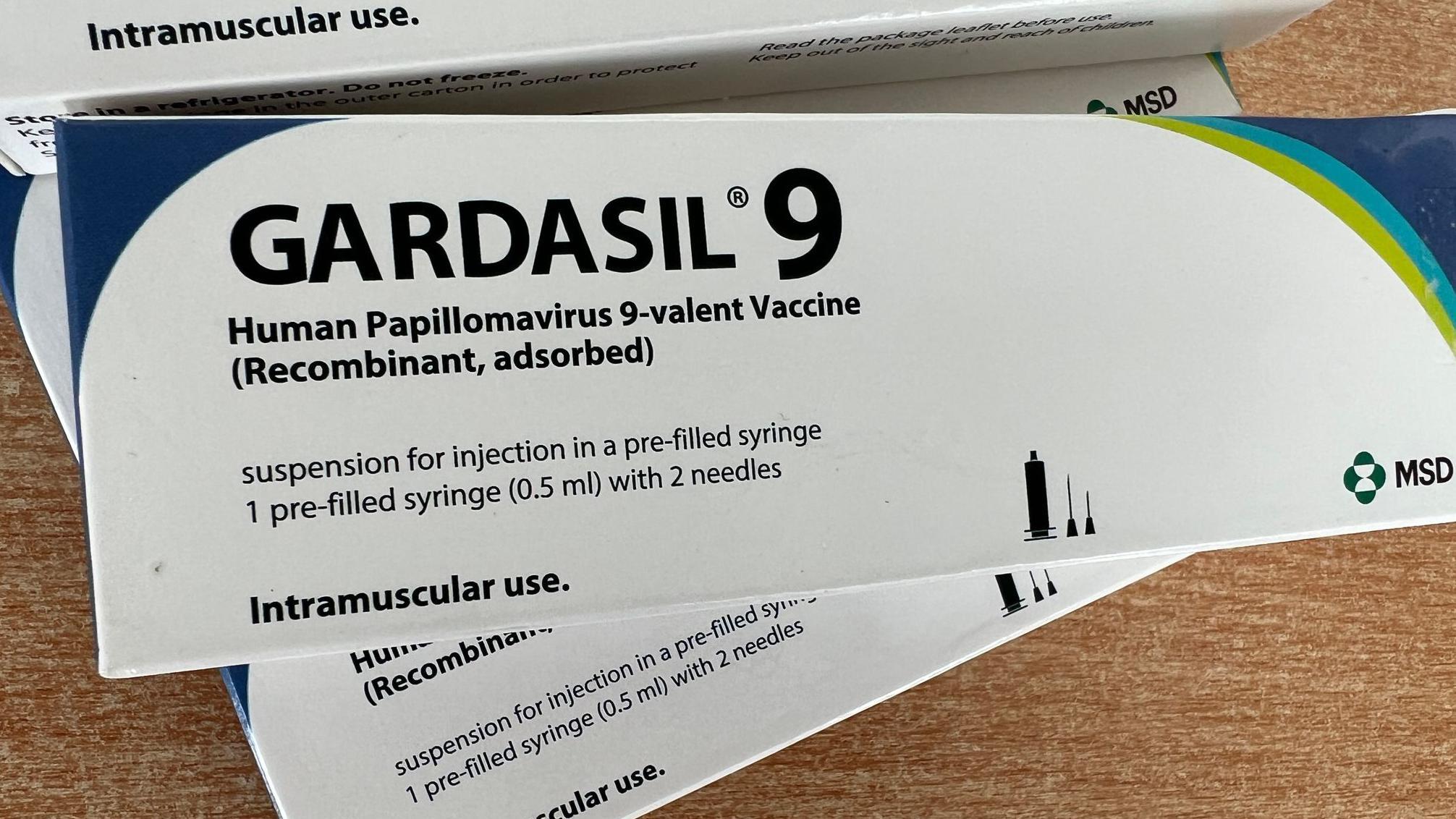
“The nine-valent HPV vaccine, Gardasil9, which is also used in Serbia, protects against HPV types associated with approximately 90 percent of cervical cancer cases.
“This is a huge thing,” she points out.
This vaccine reduces the risk of potential infection, activation of types that are potentially dormant in the body, and additional infection.
Even when the tests show that high-risk types of viruses are not present, it does not necessarily mean that they are not present at all.
In other words, even when you feel healthy and doctors do not notice sores on the cervix, nor are there frequent infections and you have protected sexual relations, vaccination is recommended.
In more than 70 percent of cases, the recurrence of pathological changes caused by HPV can be prevented if the vaccine is administered along with surgical treatment. the data is Institute for Public Health, Novi Sad.
‘The virus is not that common’
Quite the contrary, claims the expert.
“HPV is actually very common and is sometimes compared to the common cold, and it is estimated that around 80 percent of people will be infected at some point in their lives.”
“In some countries it is becoming rarer, but that is precisely because of the introduction of the HPV vaccine,” adds Dr. Smith.
A pilot project conducted by the Institute for Public Health of Serbia in Belgrade and Niš shows that every eighth woman tested, aged 30 to 65, was HPV positive.
10,000 women participated.
Data indicate that HPV infection is significantly more widespread than cell changes and that most infections resolve spontaneously.
However, those that do persist are a key risk factor for developing cervical cancer.
‘Induces sterility’
There is no evidence that the HPV vaccine can cause infertility, claims Dr. Smith based on research.
“Treating precancerous diseases is important for preventing cervical cancer, but also potential problems such as premature birth or frequent miscarriages.”
“The HPV vaccine actually reduces the rate of precancerous diseases of the cervix (abnormal changes in the cervix or canal), as well as the possibility of reproductive problems and is beneficial for pregnancy,” adds Smith.
It “can actually protect fertility” by preventing cervical cancer, said Jasmin Shalub, senior manager for immunization at UNICEF. for Fektcheck agencies France Press.
Nowhere in the world has it been observed that the number of women who cannot have children has increased because they received this vaccine, Gynecologist Biljana Banjanin told the BBC earlier.
There is a possibility that the treatment of cervical cancer will result in the inability of a woman to have a child, it is stated at the Institute for Public Health Batut.
‘Boys and men don’t get cervical cancer – they don’t need a vaccine’
Boys can be carriers of HPV and suffer from other malignant diseases that this virus can cause, which is why they should also receive the vaccine, experts explain.
The frequency of HPV infection among men aged 18 to 59 is about 45 percent in the United States of America.
Almost every third boy after the age of 15 is infected with at least one strain of the HP virus, while every fifth is infected with at least one “high-risk” type, research shows from 2023
That’s why in many countriesamong others in Serbia, recommends that both boys and men receive the HPV vaccine.
When boys are vaccinated, they are less likely to transmit HPV infection to female partners. it says on Batuta’s website.
‘The vaccine is not safe’
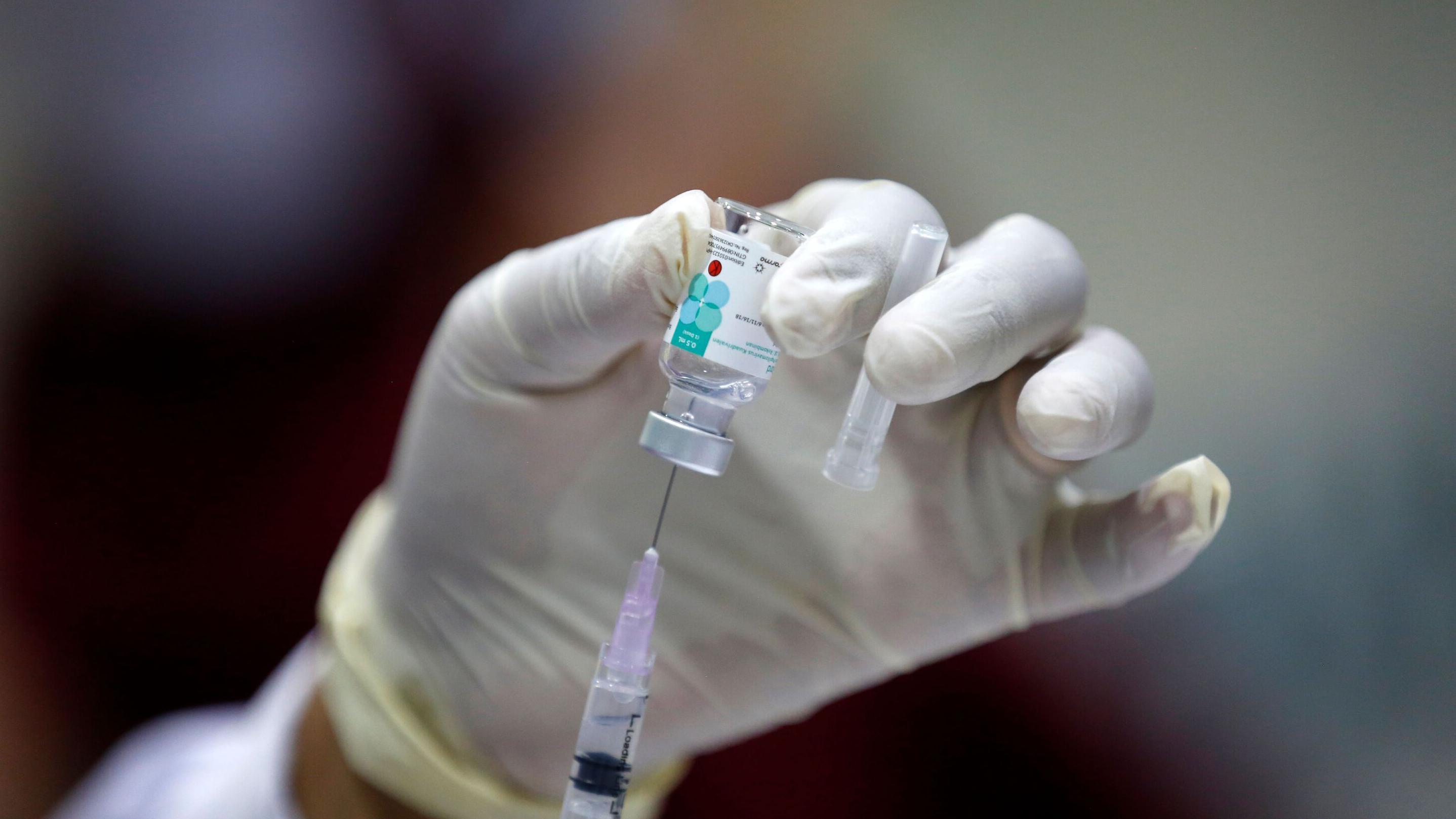
The main safety concerns that made some parents choose not to vaccinate their children against HPV were fear of death after vaccination, autoimmune diseases and neurological syndromes, experts pointed out in the report Committee for Prevention of the European Society for Gynecological Oncology.
“SZ0 continually reviews claims of suspected, side effects and has so far found no evidence of serious, frequent consequences,” says Megan Smith.
In order for regulatory bodies to approve a vaccine for use, it must undergo extensive, long-term safety testing.
Once they are implemented, their safety and effectiveness are regularly monitored, it is written on the website of Batuta.
The Agency for Medicines and Medical Devices of Serbia and the Institute for Public Health of Serbia monitor adverse reactions after vaccination in Serbia.
No serious safety issues have been confirmed in any of the numerous studies conducted.
BBC is in Serbian from now on and on YouTube, follow us HERE.
Follow us on Facebook, Twitter, Instagram, YouTube and Viber. If you have a topic suggestion for us, please contact bbcnasrpskom@bbc.co.uk
Download the application and follow the news


FOLLOW US ON

News