Bet on infrastructure
Against the backdrop of climate change and growing pressure on water resources, the relevant Ministry focused on systemic measures. The priority is the restoration and modernization of infrastructure, reducing losses and increasing the efficiency of water management, including its distribution between economic sectors.
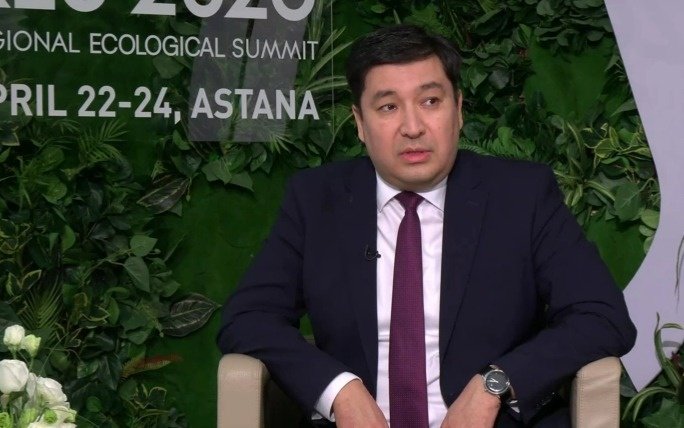
— Water is, of course, an important component of our social life, industry, and agriculture. We understand that the climate is changing and dictates new realities. We admit that there is a water shortage. We, as the Ministry, must completely ensure that this problem is leveled out for our sectors of the economy, both for domestic needs, farmers and industrialists,” notes Aslan Abdraimov.
The main issue on the agenda is infrastructure. According to the vice minister, special attention is paid to the technical updating of systems. In the reconstruction it is planned to use automated solutions that will reduce losses and increase control over resources.
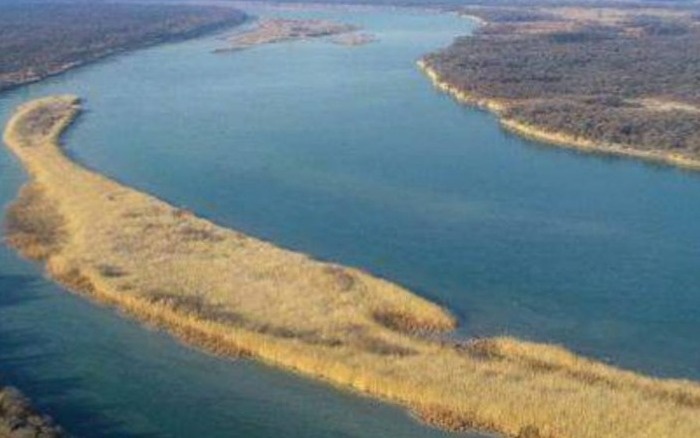
— Modern automated measures will be taken, they will help save water. The main task is to ensure effective management and reduce the losses that we have. We do not hide the fact that the infrastructure is worn out. In some regions there is a water shortage, and there are also regions with a surplus. And, accordingly, the water that is a little in excess also needs to be managed so that it does not cause damage,” says the vice minister.
According to him, work within the framework of these tasks has already begun. A number of large channels and regulatory networks are currently being reconstructed. This will significantly reduce losses and ensure efficient delivery of water to farmers.
Digitalization of water: from metering to automatic distribution
Following the modernization of infrastructure, Kazakhstan is also intensifying the digitalization of the water industry, which allows for accurate metering and distribution of water. The Ministry notes: without a transparent accounting system, it is impossible to ensure effective management of a resource that becomes strategic.
— We face great challenges ahead of digitalization. Water is becoming a kind of strategically important resource. We will protect every liter. Digital elements, respectively, an automated water distribution system are solutions that will ensure its most efficient distribution,” notes Aslan Abdraimov.
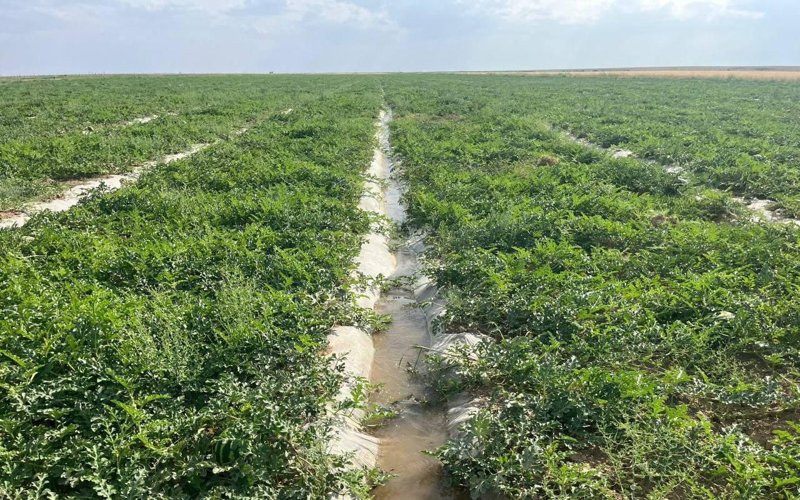
He emphasized that digital solutions are integrated into the updated infrastructure and form the basis for automated management. A key step was the transition to electronic contracts with farmers. This made it possible to record water needs in advance and formulate an accurate forecast of supply through canals.
— Farmers entered into contracts electronically, indicating the crops they plan to sow, as well as the amount of water they want to receive. Accordingly, we see the volume of water through migration channels that we need to supply. The next step, knowing the volumes, the system will implement these requests and redirect water automatically every ten days. All this will be automated through the appropriate application,” the vice minister shared.
He noted that digitalization consistently covers the entire system – from large operators to the utility level, enhancing the effect of infrastructure modernization and creating a unified water resources management system.
Come outm to the regional level
If at the domestic level digital solutions are already being implemented in water distribution, then at the regional level the emphasis is on transparency in accounting for transboundary flows. The ministry notes that accurate data becomes a key argument in interstate negotiations and allows building trust between countries.
— We are doing a lot of work to automate transboundary water accounting. It is important for us to count the water that comes to us and to use these numbers and mechanisms in the negotiation processes. Our colleagues and partners understand this,” notes Aslan Abdraimov.
He clarified that direct integration of digital systems for supplying water to farmers between countries is not yet being considered, but parallel processes are already underway. Kazakhstan and Uzbekistan have already identified 5 points on each side for the installation of gauging stations. The water level and flow rate will also be recorded here. According to the speaker, these decisions will ensure transparency in the distribution of resources and strengthen control over the implementation of mutual obligations.
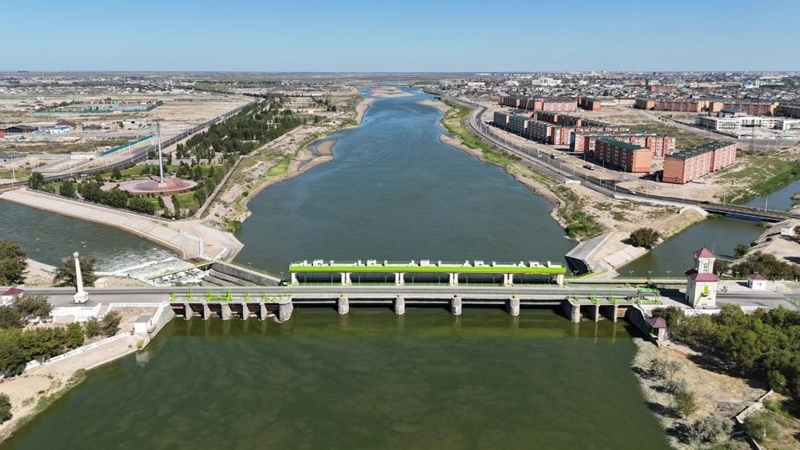
“These systems will make it possible to objectively confirm compliance with agreements, including on the supply of water to the Aral basin and along the Syrdarya River. This measure will greatly increase trust between our countries and will further unite us in solving the problem of water scarcity,” the expert believes.
At the moment, work is underway in the technical part – coordination of solution architecture and sources of financing. The installation of digital systems at reservoirs will begin soon to understand in real time how much water is coming in.
In conclusion, he noted that the implementation of such projects requires coordination at the interstate level, but there is already a high level of interest on the part of the countries of the region and international partners.
It was previously reported that Kazakhstan will increase the area of water-saving technologies will reach 1.3 million hectares by 2030.