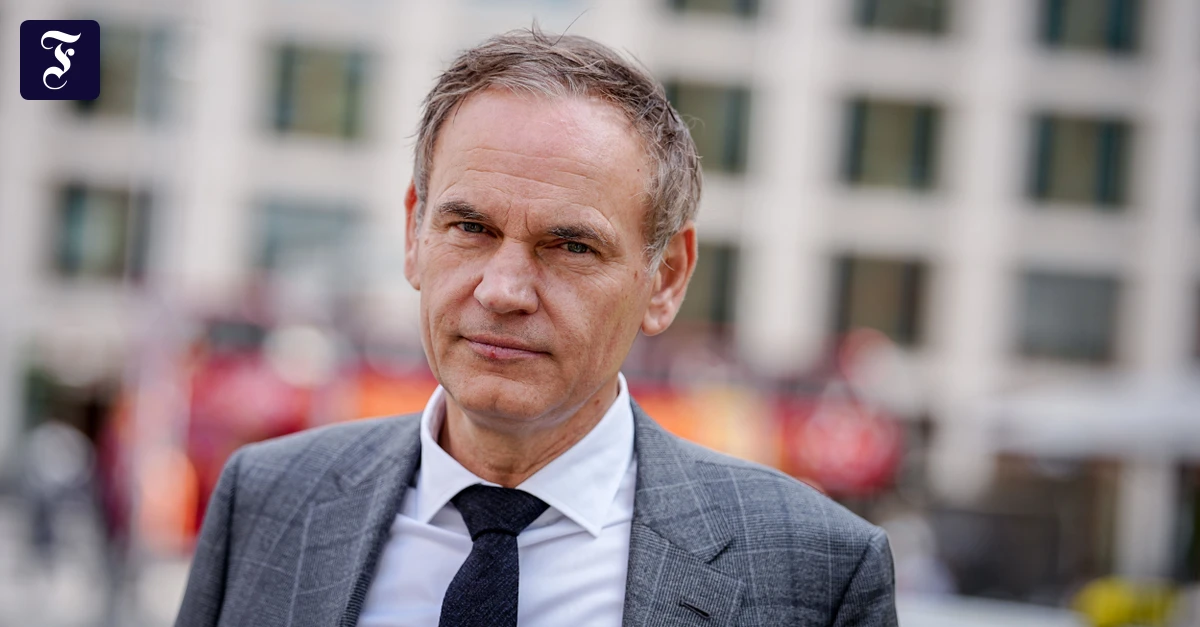
The Volkswagen Group wants to reduce its costs even more significantly. As it became known on Friday, the management is planning to hire the CEO Oliver Blumeto cut up to 60,000 jobs around the globe. The new savings are intended to be in addition to the previously negotiated cost reductions within the group, but are initially just a suggestion from management, which VW still has to negotiate with the employee representatives of its various brands.
According to information from the FAZ, corporate boards and managers of the corporate brands discussed the plans for the savings this week. A corresponding document is said to have been sent to the supervisory board in preparation for a planned supervisory board meeting on Thursday in two weeks, July 9th. The paper also deals with the future of several German plants, specifically: the VW factories in Emden, Hanover, Zwickau and the Audi factory in Neckarsulm. The small factory in Osnabrück is also in focus.
Management is reportedly reiterating its threat to phase out production at the sites if certain cost targets are not met. It is thought that production could gradually end from 2030 onwards. “Manager Magazin” first reported on the tightened savings plans.
IG Metall: “Irresponsible threats”
The IG Metall is combative in a statement. The repeated reports of new savings unsettled not only the workforce, but entire regions around the plants in Germany. “Attacks on the VW law, co-determination and our locations are irresponsible threats,” it said in a statement. If such plans were to be pushed forward, employee representatives would prevent them “with all their might”. Instead of showing “blind activism,” the board should “finally do its job” and bring competitive products onto the market. Works councils emphasize that there are no proposed resolutions regarding the expanded job cuts and plant closures.
The VW law stipulates special rights for the major state shareholder, the state of Lower Saxony. The special influence of the works council in the group is also partly based on regulations in the VW law. If all of the board’s suggestions – including a reorganization of management – were implemented in this way, this would also reduce state influence in the group. This has so far been seen as a protective barrier against excessively harsh cuts.
In an initial statement on Friday, the VW Group only said that it “does not want to comment on internal, confidential documents”. The underlying issues would be discussed and adopted in the responsible committees. “We will not pre-empt this process.”
“Burdens in the double-digit billions per year”
At the same time, a spokesman points out that the entire automotive industry is undergoing a profound transformation. The situation has worsened further in the past twelve months: “New tariffs, tougher competition and stagnating, sometimes declining markets currently mean burdens for the company in the double-digit billions per year.” In order to respond to this, the group’s board of directors has worked intensively on a future plan over the past few months.
“It’s about making the company more efficient and leaner overall and consistently using technological synergy potential. This applies in particular to the decision-making processes and structures – especially in the development and integration of new technologies as well as the model portfolio for our customers.” In the next step, the supervisory board will deal with the plans.
According to reports, the four plants mentioned will not be closed overnight. Rather, the plan is to phase out the models currently manufactured there. In the case of Neckarsulm, a large site with 15,500 employees where only combustion models such as the Audi A6, which is still in high demand today, are manufactured, the end could drag on until 2030 or later.
The so-called PL75 planning round is currently underway in the Volkswagen Group, which deals with the allocation of future models to the plants. For example, the Zwickau plant, which is designed purely for electric cars, is applying for the production of new battery cars for the VW, Cupra and Audi brands. If these models are no longer built in Zwickau, they will ensure better utilization of those factories that are awarded the contract.
The savings are planned in addition to the job cuts that are already underway across all Group brands and are intended to reduce the workforce by 50,000 employees.