Houston/There are moments in the life of a nation when voting stops being a simple democratic exercise. It becomes a decision about the desired direction for the future. The United States finds itself facing one of those moments.
I am not unaware of the difficulties of the present. The economy is worrying, immigration divides opinions, and the errors of Republican policy have caused legitimate disappointments. It would be dishonest to ignore them. Whoever intends to defend a cause must also have the ability to recognize their own contradictions.
But intellectual honesty requires something more: examining all the alternatives.
In politics, memory is often uncomfortable. It forces us to remember what some prefer to forget. It reminds us that a government’s decisions should not be judged only by its speeches, but also by its consequences.
When I look at the Democratic landscape, I find reasons for concern that go beyond a partisan difference.
Can a relationship of trust be built with a power that continues to deny essential freedoms to its own people?
I think of Cuba. Barack Obama’s policy of rapprochement towards Havana was presented as a new stage of understanding. However, for those of us who know the nature of the Castro regime, that opening raised a fundamental question: can a relationship of trust be built with a power that continues to deny essential freedoms to its own people?
Diplomacy may be necessary. The dialogue too. But no openness should become a moral justification of oppression.
I also think about immigration. It is not a problem exclusive to current politics. The deportations during Obama’s presidency showed that the enforcement of immigration laws was also part of Democratic decisions. That is why I reject simplifications that attempt to attribute all responsibility to a single party.
Defending compliance with the law does not mean accepting humiliation or violence against those who break it. Human dignity must remain above any political difference. But a nation also has the right to protect its borders and establish immigration rules.
My concern also reaches certain ideological currents that are gaining ground in sectors of the American left. I am concerned about the advance of proposals that, in my opinion, weaken individual responsibility, question traditional principles and seek to convert certain ideological conceptions into mandatory norms for the entire society.
History shows that people can gradually lose their freedoms
Freedom is not about imposing a way of thinking. It consists, precisely, of allowing different ideas to coexist within a framework of rights and institutions.
That is why my decision is not born from an unconditional adherence to the Republican Party. I do not believe in perfect parties or infallible politicians. I believe in the need to compare projects, examine their consequences, and determine which represents the least risk to the principles I consider essential.
And here the fundamental question appears: should we allow the errors of one party to make us forget the risks we encounter in the other?
History shows that people can gradually lose their freedoms. It doesn’t always happen through a violent breakup. Sometimes it begins with attractive promises, with the justification of exceptional measures or with the acceptance of small resignations that, accumulated, end up weakening the institutions.
As a historian, I cannot ignore those lessons. As a citizen, I cannot ignore its consequences either.
I do not intend to dictate anyone’s vote. Each citizen has the right to decide according to his or her convictions. But I believe that an election requires something more than indignation, personal sympathies or discontent with the economic situation.
My vote is not an act of faith in a party. It is a decision of conscience
It requires memory. It requires reflection. Demand responsibility.
Surveys can measure preferences and anticipate trends. They cannot determine which principles weigh most on the conscience of each voter.
I have made my decision.
Not because I consider that the Republicans are free of errors, but because, after examining the alternatives, I understand that their principles and proposals are closer to the nation I want for my children and for future generations.
My vote is not an act of faith in a party. It is a decision of conscience.
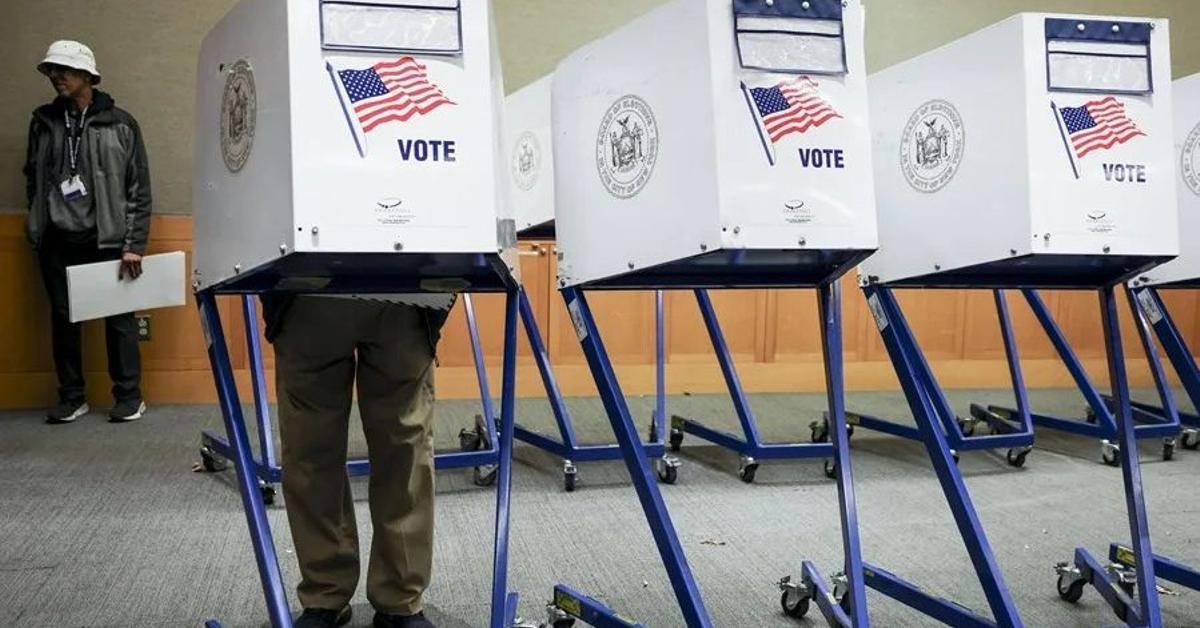
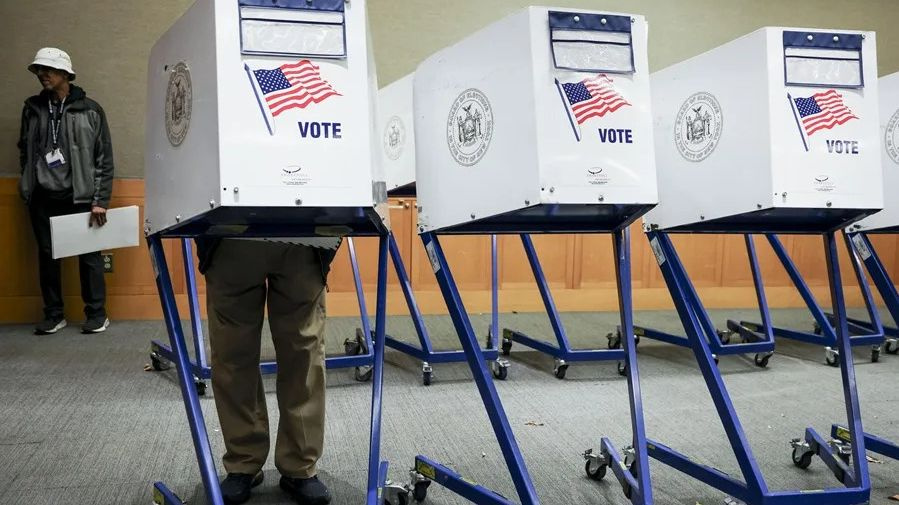
I voted Republican.
And I did so with the conviction that forgetting the lessons of history can be much more costly than recognizing the mistakes of the present.