Venezuela reported this Saturday that it will participate in the hearings of the International Court of Justice (ICJ), on May 4, on the territorial dispute with Guyana over the Essequibo region, but stressed that it will only be to “show the truth to the world” and confirmed that it will not recognize the jurisdiction of this body or its decisions.
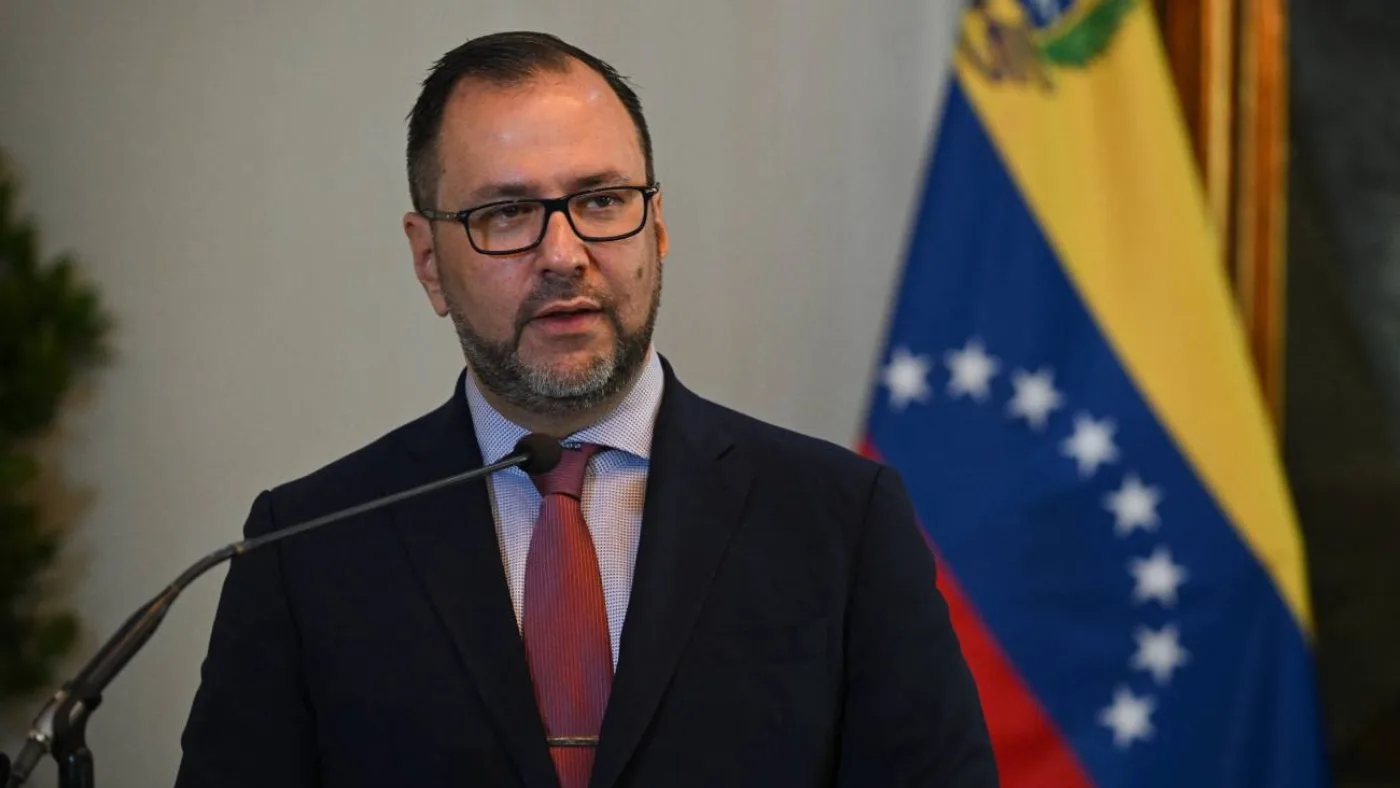
“Venezuela attends these hearings only to show the world the truth about the rights that have been granted to it since its birth over the territory of Guayana Esequiba,” the Government stated in a statement published on Telegram by the chancellor, Yván Gil.
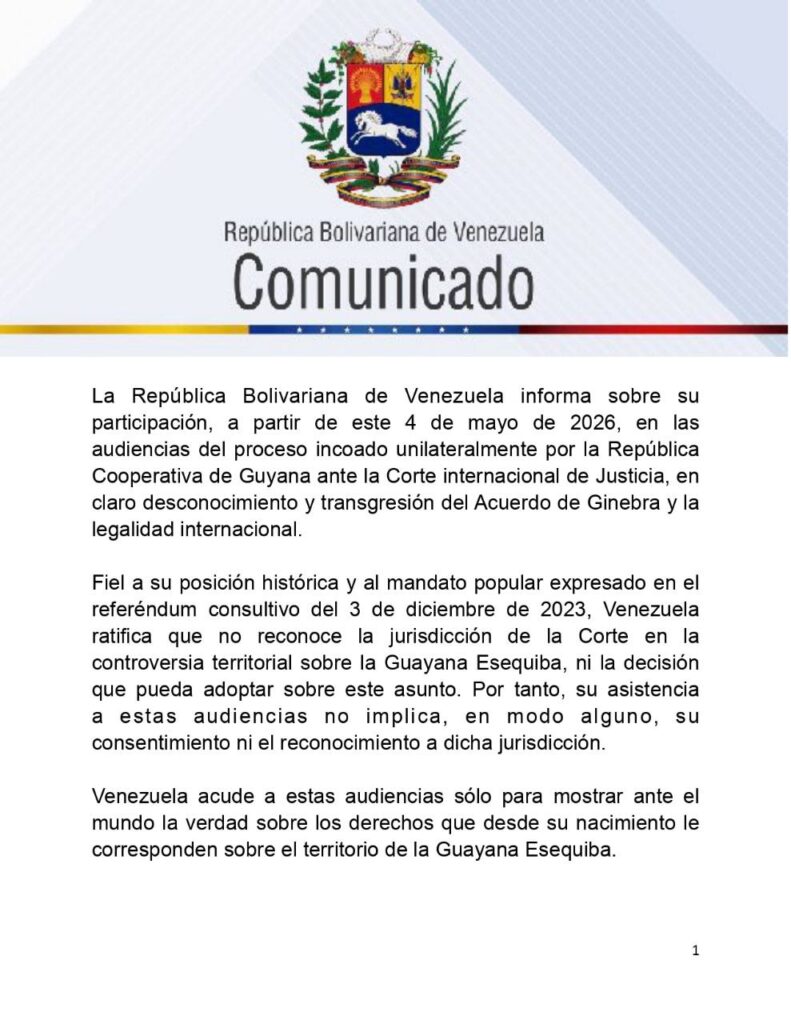
The Government in charge of Delcy Rodríguez reiterated that its attendance at these hearings “does not imply, in any way, its consent or recognition of said jurisdiction” and questioned the process by stating that it was “unilaterally initiated” by Guyana, which administers the Essequibo and also considers it its own.
Geneva Agreement is “the only possible solution” for Venezuela
Likewise, he indicated that the “only possible solution” for the territorial controversy is found in the Geneva Agreement of 1966the legal instrument that Venezuela considers valid to reach a mutually acceptable solution.
“This international treaty is the regulatory framework that must be complied with in good faith, with the aim of putting an end to the territorial controversy through a practical, acceptable and satisfactory arrangement for both parties,” said the Government, while adding that it will “never” renounce the territory that, in its opinion, belongs to it.
The differences over the border limits around Essequibo, a territory of about 160,000 square kilometers – rich in minerals and deposits – began with the Paris Arbitration Award of 1899 that gave sovereignty of the territory to the then British Guyana.
Decades later, Venezuela declared this ruling null and void and signed the Geneva Agreement with the United Kingdom.
Guyana brought the case to the ICJ in 2018, seeking confirmation of the legal validity of the Arbitration Award of 1899which establishes the border between both countries and which was declared null and void by Venezuela in 1962.
While Guyana maintains that the judicial process is the only legitimate means to resolve the controversy, Venezuela has historically questioned the court’s authority.
With information from EFE