In Venezuela the word “crisis” no longer surprises anyone and has become part of everyday life. People get up, figure out how to generate income, stretch the few dollars that come in, and move on.
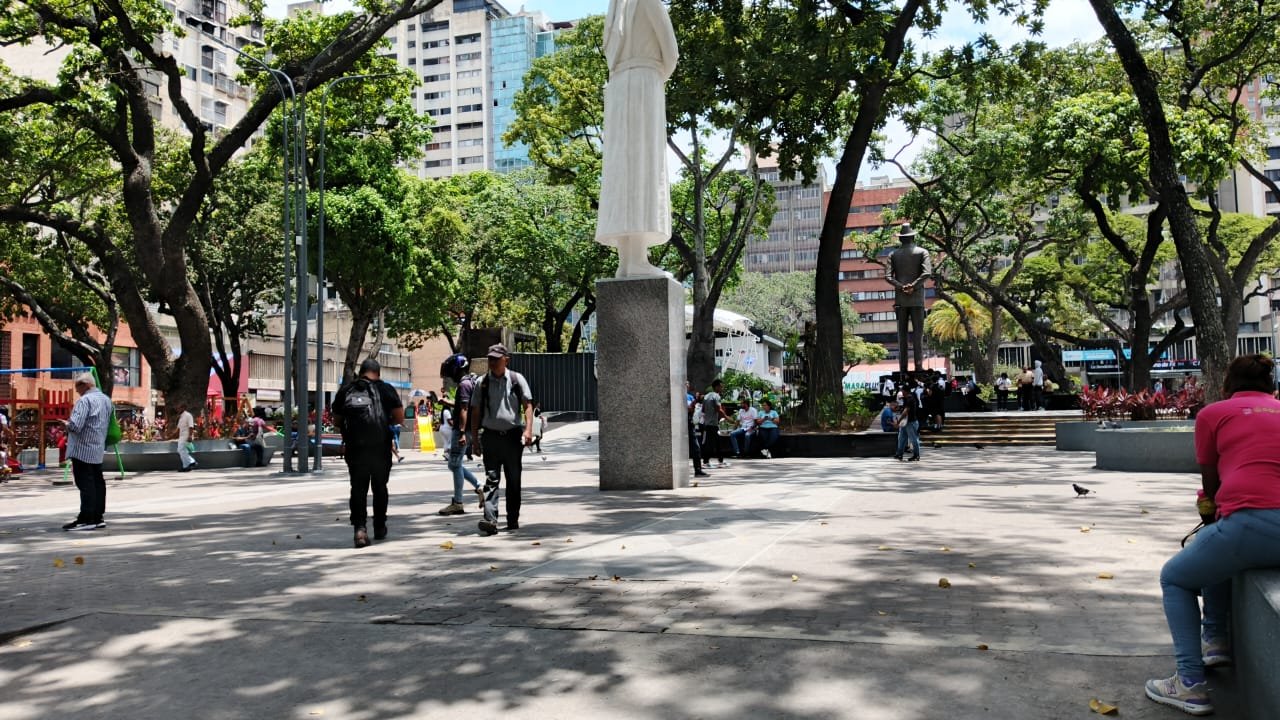
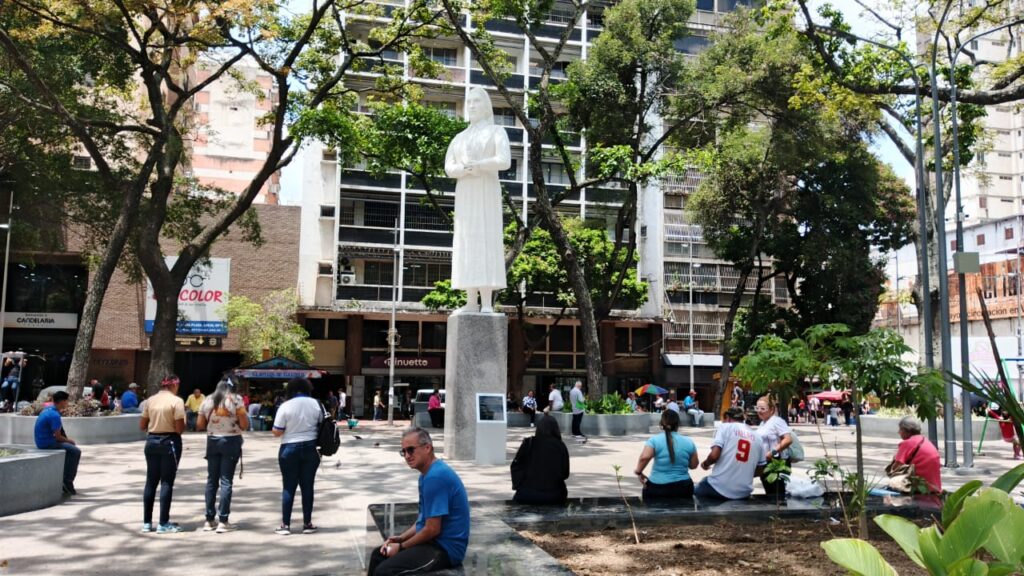
When this report was made, the increase in workers’ income decreed by the governor in charge Delcy Rodríguez had not yet been announced, but three real testimonies that we were able to collect in the Candelaria area, in Caracas, show the different ways in which families try to stay afloat:
Doña Carmen, 71 years old, retired
Doña Carmen* lives alone in a small apartment. She worked for almost four decades as a teacher, but her pension barely reaches $8 a month. “Government bonds are my main income. Between various bonds from the Patria System, I collect about 130 or 140 dollars a month. Without that and without my daughter’s help, I don’t know what I would do,” he says in a calm voice.
The most recent report from the Center for Documentation and Social Analysis of the Venezuelan Federation of Teachers (Cendas), corresponding to March 2026 indicates that the food basket in Venezuela stood at 692.62 dollars, almost 5 times more than what Mrs. Carmen receives from bonuses.
His daughter, who emigrated to Spain, sends him around $80 every month. With that money he manages to buy some meat once a month. “Before I did the market without looking at prices. Now I calculate everything. The weekly market for myself alone costs me between 45 and 55 dollars. I eat a lot of rice, eggs, bananas and chicken. Beef almost doesn’t exist in my refrigerator.”
He has sacrificed health and small comforts. “I gave up several medicines because I can’t buy them anymore. You learn to endure the pain.”
Mr. Roberto, 68 years old, former driver
Roberto* worked for many years driving cargo vans. Today he survives by doing small errands with a borrowed motorcycle. “Some days I earn 15 or 20 dollars, other days nothing. The vouchers help me, but they are not even enough to pay for the kitchen gas,” he explains.
His oldest son lives in Chile and sends him about 150 dollars a month. That money is what really supports the home.
“Without remittances we would be eating only rice and beans. The market for my wife and I costs between 70 and 80 dollars every fifteen days. Beef is very expensive, so we buy chicken and eggs. We buy very little fruit.”
Currently, a kilo of beef in Venezuela costs 10 dollars and a kilo of chicken costs 4 dollars.
He claims that he has sold almost everything he had of value: tools, some appliances and even clothes. “You get used to not having anything new. The hardest thing is seeing that you can no longer help your children like before.”

Youth also suffer
Valentina*, 22 years old, a university student in Social Communication, works hard by offering private English classes online, to be able to help at home.
The economic decline in Venezuela has been so precipitous that it ranks as the fifth largest decline in living standards in modern economic history. Venezuela’s economy has suffered a historical contraction of more than 70% during the Nicolás Maduro era (2013-2023) according to data analyzed by economist Frank Muci
“I earn between 90 and 120 dollars a month with classes. My mother receives bonuses and a low salary as a nursing assistant. Between the two of us we maintain the house. My father, who is in Peru, sends 100 dollars when he can,” she says.
The market for his family of four, including a 15-year-old brother, a high school student, costs them about $110 a week if they do it very carefully.
“We prioritize the basics: rice, pasta, eggs and chicken. Red meat only when extra money arrives. Going out with friends, going to the movies or buying new clothes became a luxury that we can almost never afford.”
What weighs most on him is the feeling of stagnation. “I study knowing that the salary is probably not going to be enough and I know what the situation is like for journalists in the country, although I think I’m going to go for the marketing part when I graduate. Many of my colleagues are already thinking about emigrating. Sometimes I feel that we are sacrificing ourselves for a future that is not clear,” he said.
These three stories reflect the reality of thousands of Venezuelan households: very low salaries and pensions, a strong dependence on government bonds and, above all, on remittances sent from abroad.
Meat, medicine, transportation and small joys were the first sacrifices. People learned to stretch every dollar, to replace proteins with flour and to resist with dignity. Surviving in Venezuela has become a daily exercise in creativity, patience and resignation, and will continue as long as the salary remains stagnant like 2 years ago and everything is still for bonuses.
*Names with identity protected at the request of the interviewees