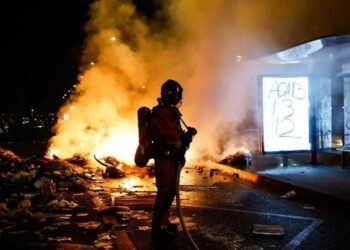
Caracas/The death toll from the double earthquake on June 24 in Venezuela rose to 5,069 this Friday, after adding 139 new deaths, reported the president of Parliament, Jorge Rodríguez, who also detailed that the number of injured remains at 16,740.
The number of homeless people remains at 17,907, indicates the balance disseminated on the Telegram account of the brother of the president in charge, Delcy Rodríguez.
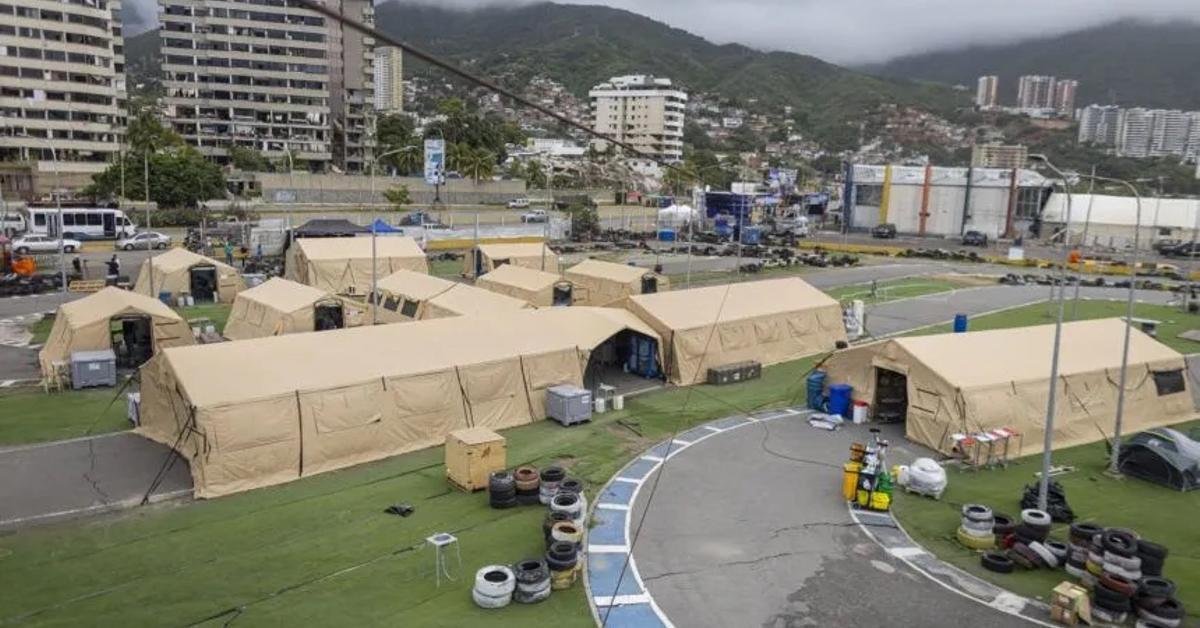
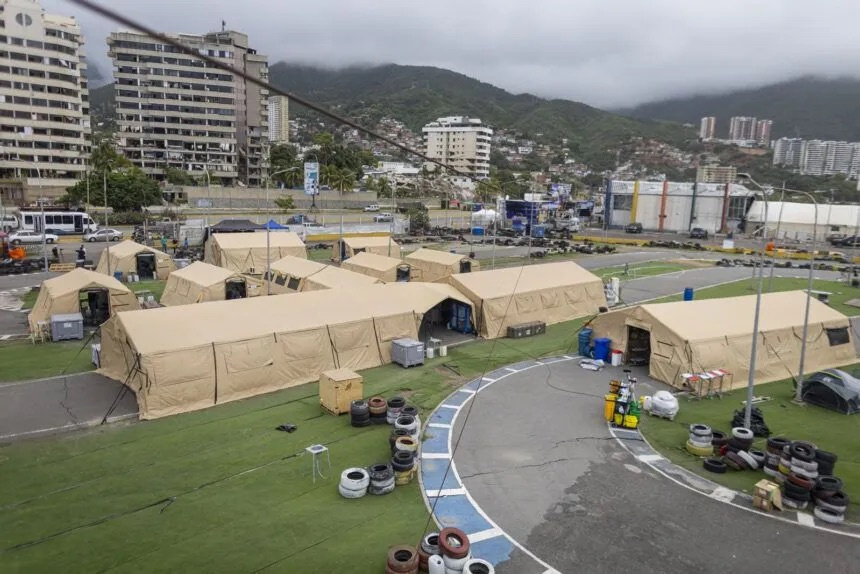
The authorities, according to Rodríguez’s report, have assisted 128,324 families affected by the 7.2 and 7.5 magnitude earthquakes, while 21,235 people are in 107 temporary camps.
Since June 24, the report added, 1,331 aftershocks have been recorded. The most heartfelt occurred on the morning of July 10 when a magnitude 3.9 earthquake was recorded 10 kilometers northeast of Naiguatá, in the state of La Guaira, the state most affected by the double earthquake.
The Government reported last weekend on the beginning of a biometric census to find out how many homes are needed, although it estimates that there could be 25,000
The aftershock a week ago caused panic in the population and evacuations of buildings for prevention.
The Government reported last weekend on the beginning of a biometric census to find out how many homes are needed, although it estimates that there could be 25,000. On Tuesday, the Venezuelan Parliament approved a draft law reform to accelerate housing construction in the country, after the earthquakes.
The first vice president of the National Assembly, Pedro Infante, explained that this modification of the Law against Real Estate Scam – which must go through a second debate for its final approval – seeks to guarantee better conditions with legal security and financing capacity so that the private sector begins an “aggressive process” of housing construction.
As announced this Friday by the acting president, Delcy Rodríguez, the country has accessed 346 million dollars of “its own resources” from the International Monetary Fund (IMF) for the recovery and reconstruction process.
In a statement, the president explained that the funds will allow “support for affected families in housing, infrastructure, essential public services, among other requirements.”
“We will continue working tirelessly to protect our people and advance the country’s recovery”
Rodríguez thanked the director of the IMF, Kristalina Georgieva, for “her support and commitment, as well as all the institutions that made this important step possible.”
“We will continue to work tirelessly to protect our people and advance the country’s recovery,” he added.
The head of state had reported on July 8 of a call with Georgieva for the release of “blocked resources from Venezuela” in the IMF.
The Chavista leader then demanded once again the cessation of sanctions against Venezuela and the blocking of resources that, she said, her country needs for the reconstruction process.
On July 9, Fund spokesperson Julie Kozack explained in a press conference that Georgieva and Rodríguez spoke about “the use of Venezuela’s reserve tranche in the IMF, which constitutes an important and easily accessible source of liquidity that can be mobilized quickly.”
The so-called reserve tranche is different from the Special Drawing Rights (SDR) retained by the organization, which represent about 4.5 billion dollars, which adds up to a total figure close to 5 billion dollars in assets.
The assets in the reserve section are immediately available to “help address the urgent humanitarian needs derived from the disaster” and “it is the resource” that Venezuela “has indicated it wants to use,” Kozack added.
Last April, the IMF and Venezuela resumed relations, which had been suspended since 2019.
Since then, contacts between the organization and the interim Government of Rodríguez have been regular, with a view to completing the technical procedures to allow the country to once again access IMF financial instruments in the future.