But the framework — initialled after months of indirect negotiations mediated by regional actors — has not resolved several core disputes, according to officials and analysts familiar with the discussions.
Strait of Hormuz: What tracking data shows
-
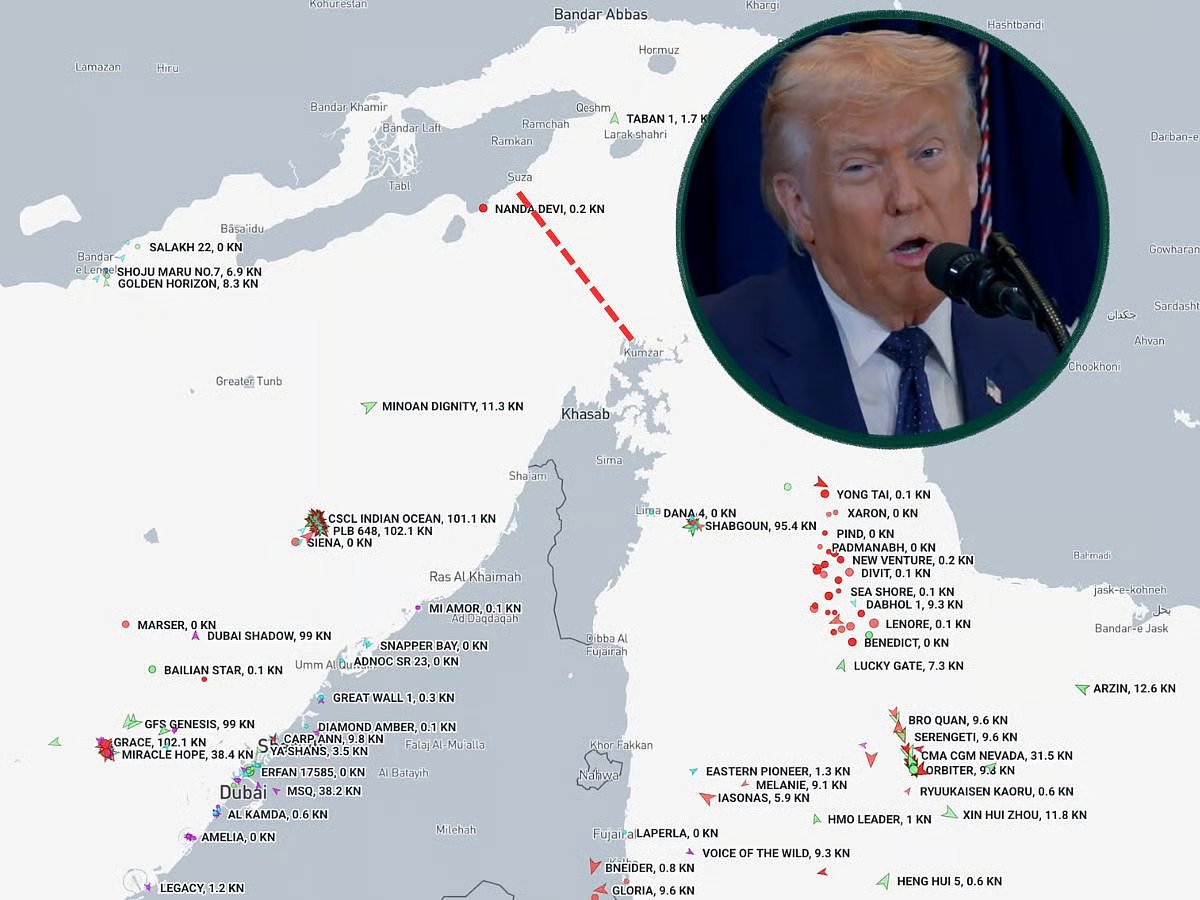
Shipping through the Strait of Hormuz remained virtually at a standstill on Monday, despite US claims of resumed movement
-
Donald Trump said loaded oil tankers were “starting to move” out of the strait, citing routes near Oman
-
A US-Iran memorandum of understanding reportedly allows reopening of the strait within 30 days, according to Iranian media
-
Tracking firm Kpler detected only one commercial vessel crossing the strait at 1400 GMT
-
The Malta-flagged Disha carried 60,000 tonnes of LNG from Qatar to India
-
A second vessel, the bulk carrier Kaiser, also appeared to have exited the strait based on AIS data
-
More than 500 commercial vessels remain in the Persian Gulf awaiting transit signals
-
Average daily crossings during the war fell to 6.4 vessels, compared to around 120 before the conflict
Iran signals different interpretation
Shipping safety concerns rise over Hormuz
Fragile framework, competing narratives
Israel remains outside the framework

A Senior Associate Editor with more than 30 years in the media, Stephen N.R. curates, edits and publishes impactful stories for Gulf News — both in print and online — focusing on Middle East politics, student issues and explainers on global topics.
Stephen has spent most of his career in journalism, working behind the scenes — shaping headlines, editing copy and putting together newspaper pages with precision.
For the past many years, he has brought that same dedication to the Gulf News digital team, where he curates stories, crafts explainers and helps keep both the web and print editions sharp and engaging.