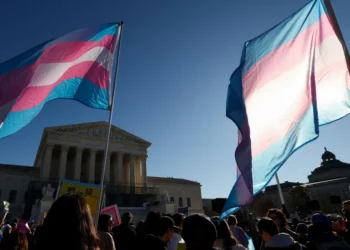
People who live in the United States are still automatically given American citizenship. The justices of the Supreme Court of the United States decided this on Tuesday by a majority of six votes to three (one judge disagreed with an aspect of the ruling but not the ruling itself). In doing so, the judges went against the view of Donald Trump’s government, which wanted to restrict this right.
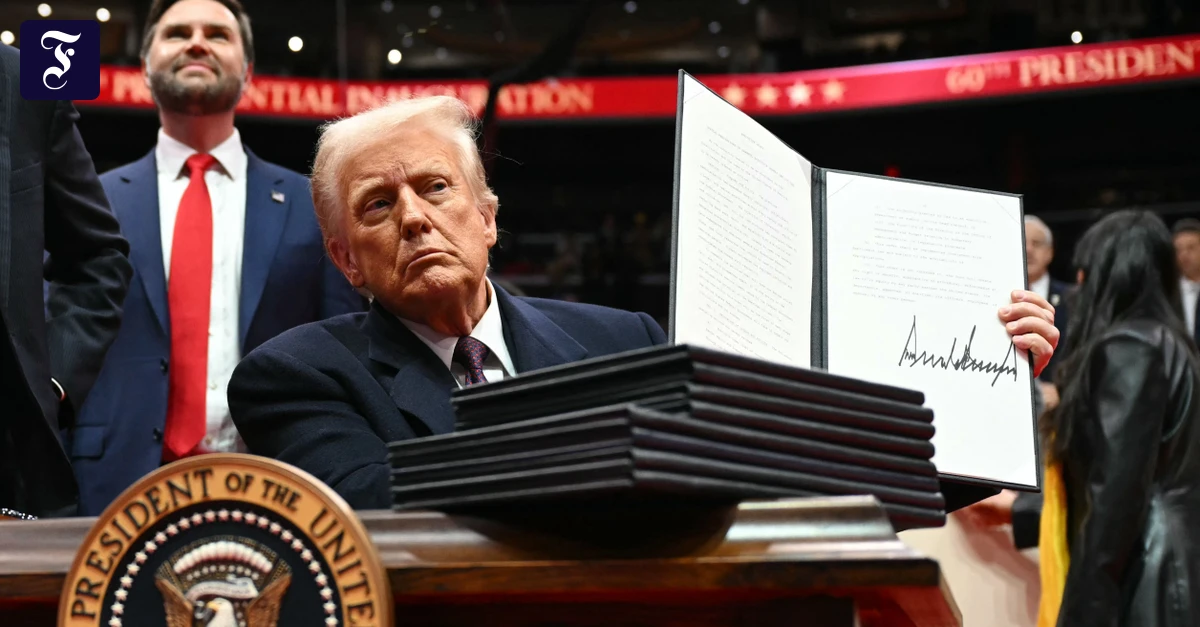
American President Donald Trump issued a decree on the first day of his second term in office revoking the automatic right to American citizenship. Children born in the United States should no longer receive citizenship if their parents were in the country illegally or only temporarily. However, the judges decided that the decree violated the constitution.
The presiding judge John Roberts said that children whose parents are in the United States illegally or temporarily are “born in the United States” and “subject to the jurisdiction of the United States.” “According to the constitution, they are citizens by birth.” “Citizenship, then as now,” Roberts concluded, “was the right to have rights – to participate freely in our political community. The framers of the 14th Amendment extended that promise to ‘everyone born free in this land.’ We keep that promise today.”
The 14th Amendment was adopted in 1868. It states that “everyone born in the United States and subject to its laws” should be granted citizenship. The amendment was enacted in response to a Supreme Court decision. In it, the judges denied slaves any protection from American courts because they were not citizens of the United States.
The Trump administration has now also appealed to this. She argued that the constitutional amendment had been misunderstood. It refers only to citizenship for American-born slaves, not to all others. She also questioned whether the “legislative” proviso applies to people who are in the United States illegally or temporarily. This is not the case for the groups of people mentioned when they are in the United States.
Opponents of the decree, in turn, argued that if the authors of the constitutional amendment had wanted to restrict the granting of citizenship rights, then they would have written that too.
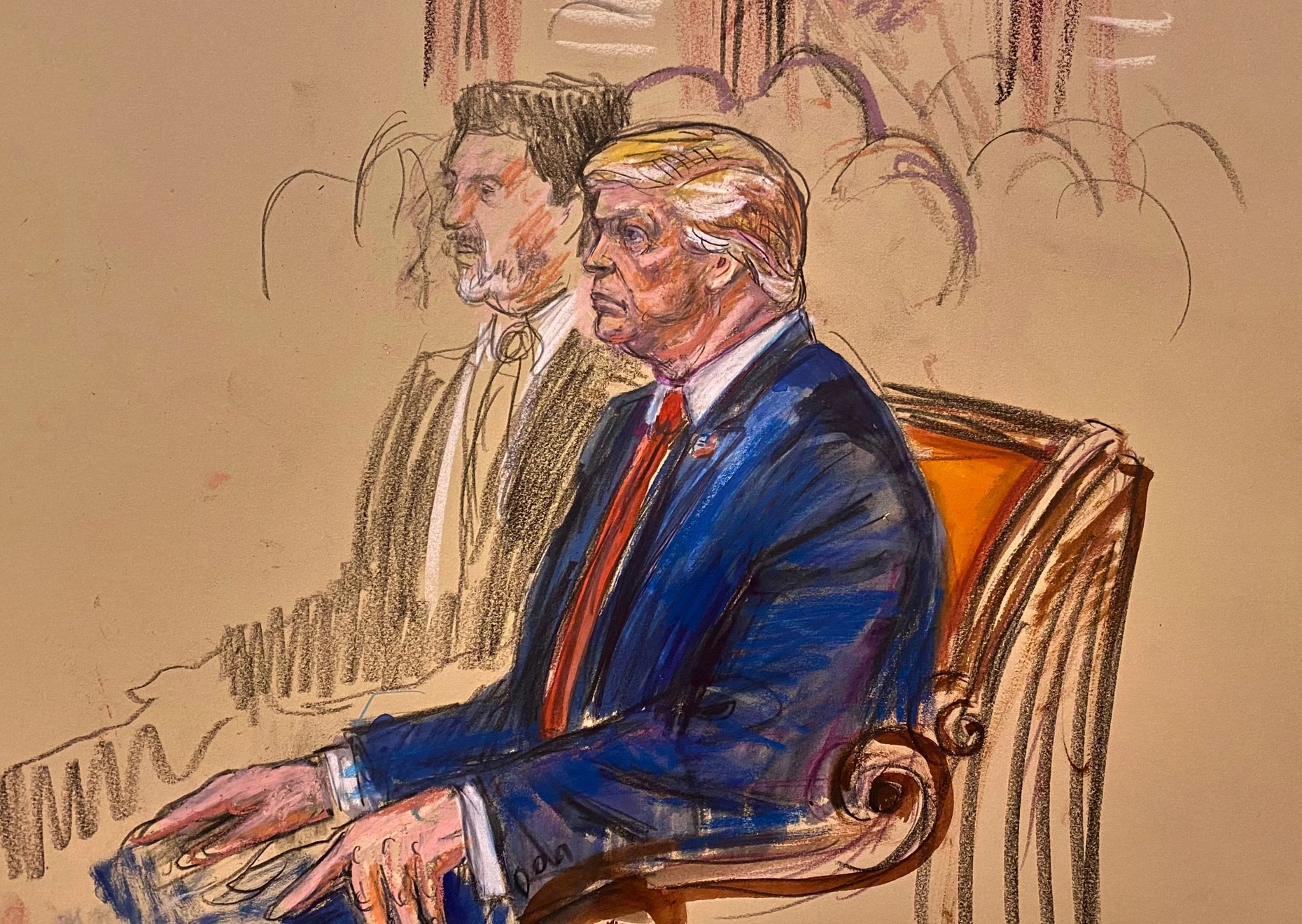
The Supreme Court heard arguments from both sides in April. In the questions, observers said they recognized a certain skepticism on the part of the judges towards the government’s arguments. This hearing was also the first time that a sitting president attended a session of the Supreme Court. Trump was in the audience for an hour to underscore the importance of this process to his administration.