Pakistani security forces carried out a ground operation in the Khyber Pakhtunkhwa province bordering Afghanistan, followed by strikes in the Afghan provinces of Paktika and Kunar. The bombing of Afghanistan in Islamabad is explained by the increased terrorist activity of the Pakistani Taliban operating from the territory of the neighboring country. Against this background, the CSTO leadership announced the shelling of Tajikistan on the northern border of Afghanistan. While continuing contacts with the Taliban regime in Kabul, its neighbors recognize that terrorist groups strengthening their positions in the country are becoming a growing problem for Central Asia.
Representatives of the leadership of the two countries announced a new deterioration in relations between Pakistan and Afghanistan, which had previously teetered more than once on the brink of regional war, blaming each other for the escalation.
The trigger for the conflict this time was airstrikes by the Pakistani Air Force on the border Afghan provinces of Paktika and Kunar, where the camps and bases of the radical Islamist groups Jamaat-ul-Ahrar and Fitna al-Khawarij (formerly known as Tehrik-i-Taliban Pakistan) are located.
According to Pakistani Information Minister Attaullah Tarar, the bombing of Afghan territory on June 28 was preceded by a “well-planned ground operation of the Pakistani army in the Khyber Pakhtunkhwa province bordering Afghanistan,” during which “29 rebels eliminated” and weapons and ammunition depots were destroyed.
Calling the two-phase force action a response to the “recent terrorist attacks in Pakistan”, Attaullah Tarar assured that Islamabad will intensify anti-terrorism operations to root out any threats to the country’s security, which he said are supported and sponsored from abroad.
The day before the raid by security forces, Islamists operating in Pakistan attacked the headquarters of the Rangers (a special unit of the Pakistani army) in the country’s largest metropolis, Karachi. During the exchange of fire, three Pakistani soldiers were killed.
The leadership of neighboring Afghanistan, however, gives its assessment of the operation of the Pakistani security forces, accusing Islamabad of another act of aggression against a neighboring state.
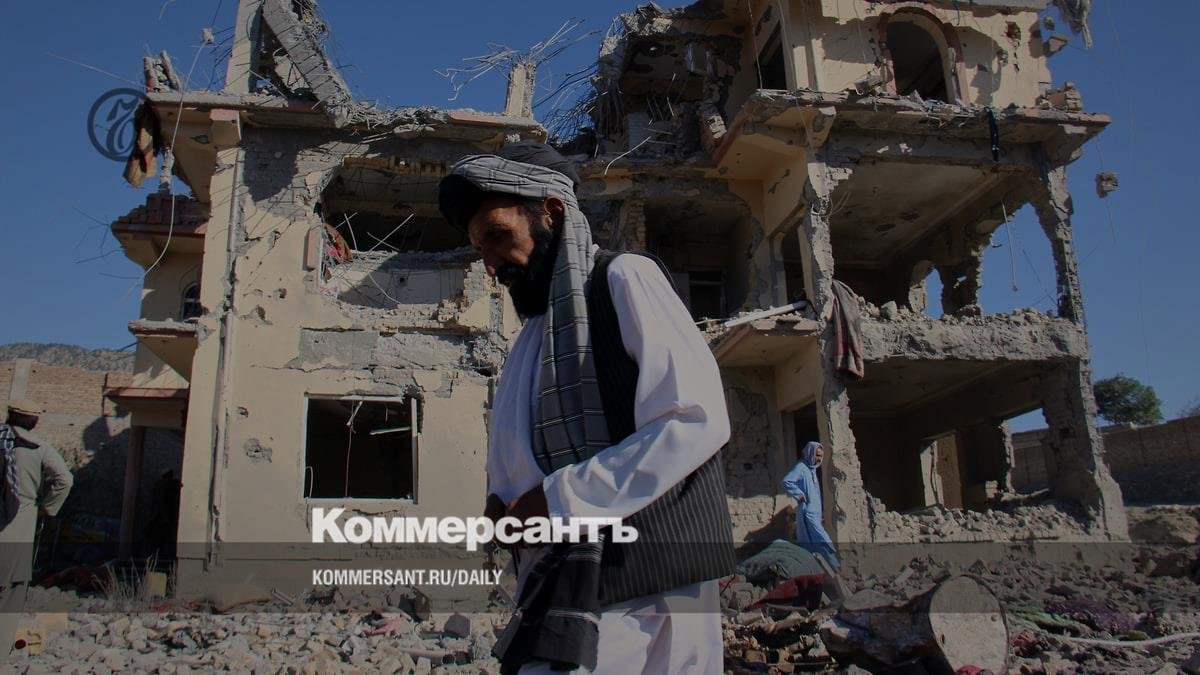
Commenting on the new round of escalation, the press secretary of the Supreme Leader of Afghanistan Zabihullah Mujahid on June 29 reported on civilian casualties, which Islamabad is silent about. “Last night, Pakistan bombed Giyan district in Paktika province, Tsamkani district in Paktia province and Marawar district in Kunar province. As a result of these attacks, dozens of civilians, including women and children, were killed and injured,” Zabihullah Mujahid wrote on social media X, calling Pakistan’s actions a “cowardly, aggressive and barbaric crime.” He also recalled that on June 8, the Pakistan Air Force bombed the houses of civilians in Kunar, Khost and Paktika, as a result of which 13 people, including 11 children, were killed and 14 women and children were injured.
According to the Pakistan Armed Forces’ Inter-Services Public Relations (ISPR), the country’s security forces killed 2,597 militants in 2025. Over the past year, 5,397 terrorist attacks were recorded in Pakistan, which claimed the lives of 1,235 people.
The disappointing situation in Afghanistan and the terrorist threat emanating from the territory of this country were discussed last week in Islamabad during the 12th meeting of the Russian-Pakistani joint working group on countering international terrorism and other security challenges. The Russian delegation at the meeting was headed by Deputy Foreign Minister of the Russian Federation Dmitry Lyubinsky, and the Pakistani delegation by Deputy Foreign Minister of the Republic Khalid Jamali.
During the consultations, Islamabad “stressed the need for immediate and verifiable action by the Afghan authorities against terrorist groups to ensure that Afghan territory is not used to plan and carry out terrorist activities against any country,” the Pakistani Foreign Ministry said at the end of the meeting.
If on the southern borders of Afghanistan significant territories are controlled by the Jamaat-ul-Ahrar and Fitna al-Khawarij groups, which are fighting the Pakistani authorities and have very difficult relations with the Taliban regime in Kabul, then in the north, IS militants (a terrorist organization banned in Russia) are particularly active, challenging Afghanistan’s neighbors in Central Asia.
This problem was pointed out last week by the Chairman of the Permanent Council of the Collective Security Treaty Organization (CSTO), Russia’s permanent representative to the organization, Viktor Vasiliev. “In the Central Asian zone of responsibility of the CSTO, the main challenge remains Afghanistan. Despite the steps of Russia and a number of Central Asian states to establish contacts with the current authorities in Kabul, the difficult security situation remains,” said Viktor Vasiliev, speaking at the St. Petersburg International Legal Forum.
According to him, the CSTO is “of particular concern about the shelling from Afghanistan of the territory of the union Tajikistan.” “We plan to increase our joint steps, including in order to neutralize those militants and those extremist groups that continue to accumulate on the northern borders of Afghanistan,” added the chairman of the CSTO Permanent Council.