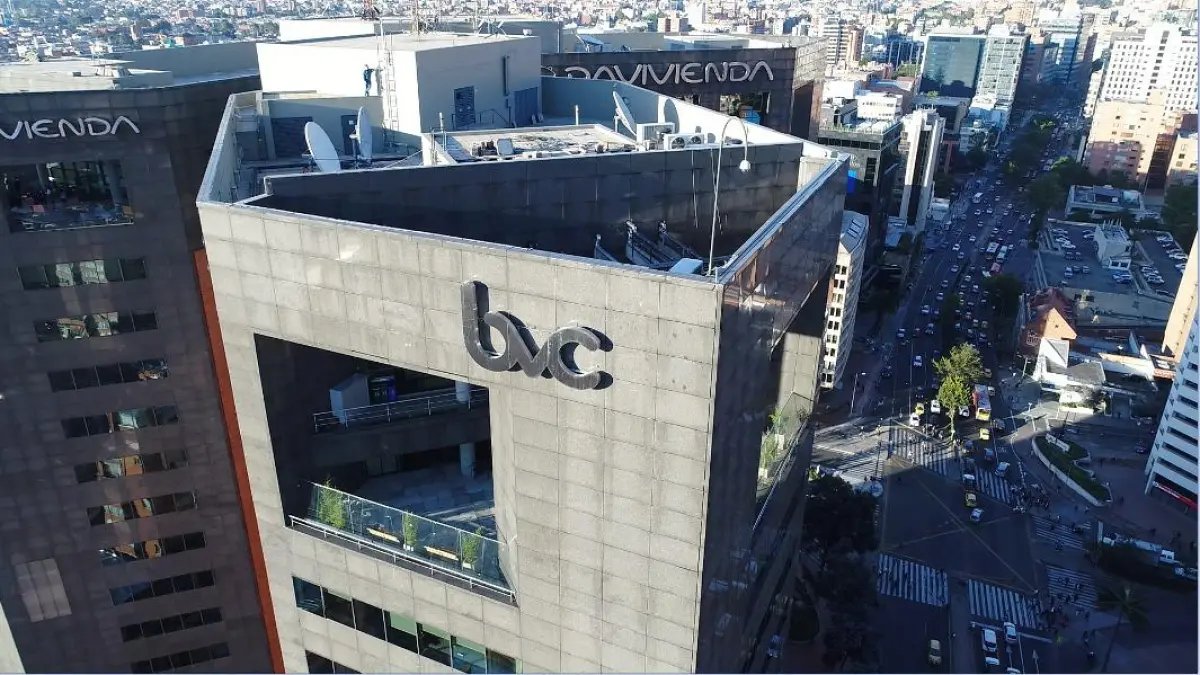
“The last few years have been progress, but we are far from what we want.” With that phrase, Andrés Restrepo, general manager of the Colombian Stock Exchange (BVC) and corporate manager of Nuam Markets, summarized the dilemma facing the Colombian capital market.
According to the manager, there are signs of recovery, greater interest from investors and new financing possibilities, but There are still obstacles that prevent it from playing a much more relevant role in the growth of the economy.
READ ALSO
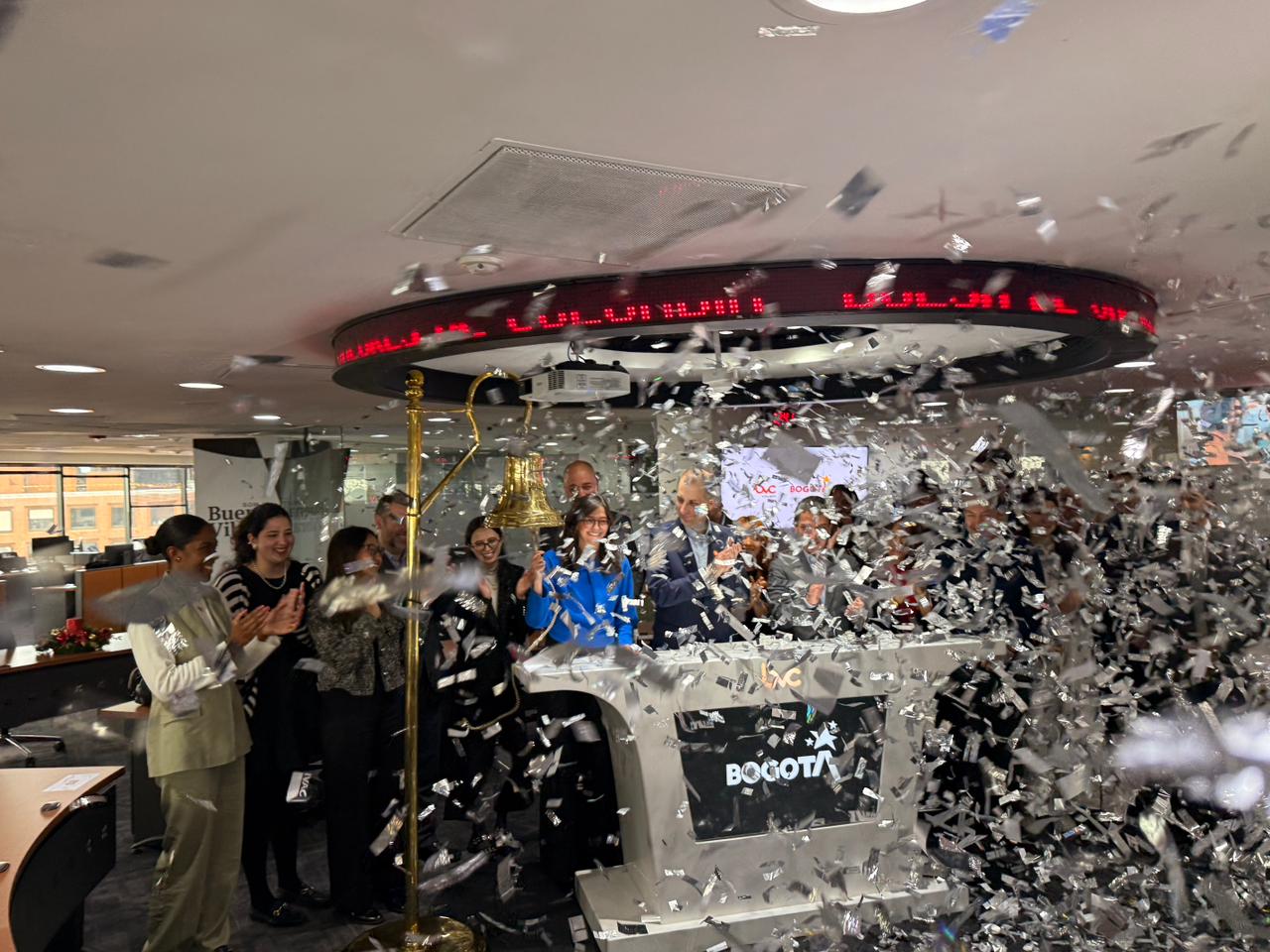
When answering the question about what the market really needs to take off?, Restrepo was emphatic in pointing out that There is no measure that, by itself, can produce that leap. What is required, he said, is a combination of factors ranging from regaining and maintaining confidence to reviewing regulation, tax incentives, liquidity and the conditions faced by those seeking resources and those who want to invest.
“As this is a market and, therefore, it has so many participants in so many roles, there is no answer that I can tell you: if this happens, this is unleashed. They are a conjunction of elements,” he explained during a press conference prior to the development of the academic agenda of the Asobolsa-nuam Congress, which takes place in Cartagena.
One of these is trust. Restrepo considers the change of vision he perceives regarding investment and the market to be fundamental, although he warns that this is not enough. The country, he noted, must ask itself if it has the structure and number of participants it needs and if the existing incentives really stimulate the arrival of capital.
Among the issues he put on the table is precisely the tax issue. According to the manager, there are cases in which listed companies may face effective tax rates close to 40 percent and its shareholders end up bearing a burden that may approach 60 percent.
Andrés Restrepo Montoya, manager of the Colombian Stock Exchange (BVC). Photo:BVC
It does not suggest, however, that reducing taxes is the solution that will unlock the market. Their argument is that each tax, regulatory or corporate governance decision can end up affecting its development and, therefore, the issue should be addressed as a permanent strategy.
State Policy
Shenny González, president of Asobolsa, agrees that one of the main problems has been addressing these obstacles in isolation.
“It is not the only acetaminophen for headaches,” He said, pointing out that the country needs a “clear, long-term, executable, monitoring and measuring” public policy.
For González, issues such as the behavior of the dollar, the valuation of the peso, taxes and financing conditions end up influencing a company’s decision about whether to go to the capital market or seek, for example, a bank loan.
In this direction, he considers that the work carried out in previous initiatives that brought together different actors around the development of the market should be resumed and organized. The priority now would be to refine the numerous existing proposals, establish which ones are really critical and set a schedule to execute them.
READ ALSO
“The capital market has to be a long-term state policy,” is, in essence, the message left by both leaders.
New issuers
Another challenge posed by both directors is to expand the list of companies that use the market for financing.
Restrepo considers it strategic that not only the largest companies see the stock market as an alternative, but also medium-sized companies that need resources to grow. To achieve this, it proposes developing a “growth market”, that is, a segment with particular conditions that allows smaller companies to incorporate gradually.
The idea is that they do not have to meet from the first moment the same liquidity and information requirements of the largest companies in the country, but rather that they can follow a progressive path until they reach the main market.
As a reference, he mentioned the experience of a2censo, where some companies started with small financing campaigns and then they increased the amounts collected until they used more sophisticated instruments.
Restrepo believes that this gradualness is more realistic than expecting a small company to compete “overnight” in the same segment as a company the size of Ecopetrol.
Shenny Angélica González, president of Asobolsa, a union that brings together stock brokerage firms. Photo:Asobolsa
Integration in 2027
Part of the commitment to give greater depth to the market is the integration of the stock exchanges of Colombia, Chile and Peru through nuam.
The process has advanced in the infrastructure used by the three countries. Today they operate with the same matching engine, the same negotiation screen and, according to Restrepo, About 95 percent of the operating rules are already approved.
The next stage is focused on post-negotiation, that is, on make everything that happens after an investor buys or sells a security simple so that the operation is actually paid, settled and fulfilled.
The goal continues to be to have the equity market integrated during 2027, although there are still regulatory and technological tasks. In Peru, for example, The figure and entity that will function as the central risk chamber must be created, while in Colombia, issues related to direct access of operators and exchange discussions with the Bank of the Republic remain pending.
READ ALSO

“The goal is not to have a common platform. The goal is to have a truly vibrant integrated market,” Restrepo emphasized.
For an investor, the change would mean being able to access a much greater offer of companies and sectors from Colombia, Chile or Peru, diversify their portfolio and acquire assets in local currency or dollars.
Natural persons
The other front that could help deepen the market is small investors. Although their participation is still relatively low, Restrepo assured that its growth during the last five years has been significant.
Digital platforms, the possibility of starting with small amounts and greater access to information about companies and markets have reduced barriers that until a few years ago made it difficult for an ordinary person to enter the stock market.
Medellin-BVC Metro Photo:BVC
González, from Asobolsa, pointed out that today there are alternatives that allow you to start investing from 50,000 pesos and even investment funds that allow lower amounts. But he warned that Technological access must be accompanied by financial education.
In the end, for Restrepo, success should not be measured simply by how much stock trading increases. The real objective is to ensure that the market efficiently connects investors’ savings with the companies and projects that need resources.
“The objective that we have as a capital market is to be a source of financing for the productive projects of this country”he stated. And he summed it up even more forcefully: “If we achieve that, we have been successful. If not, we lost the year.”