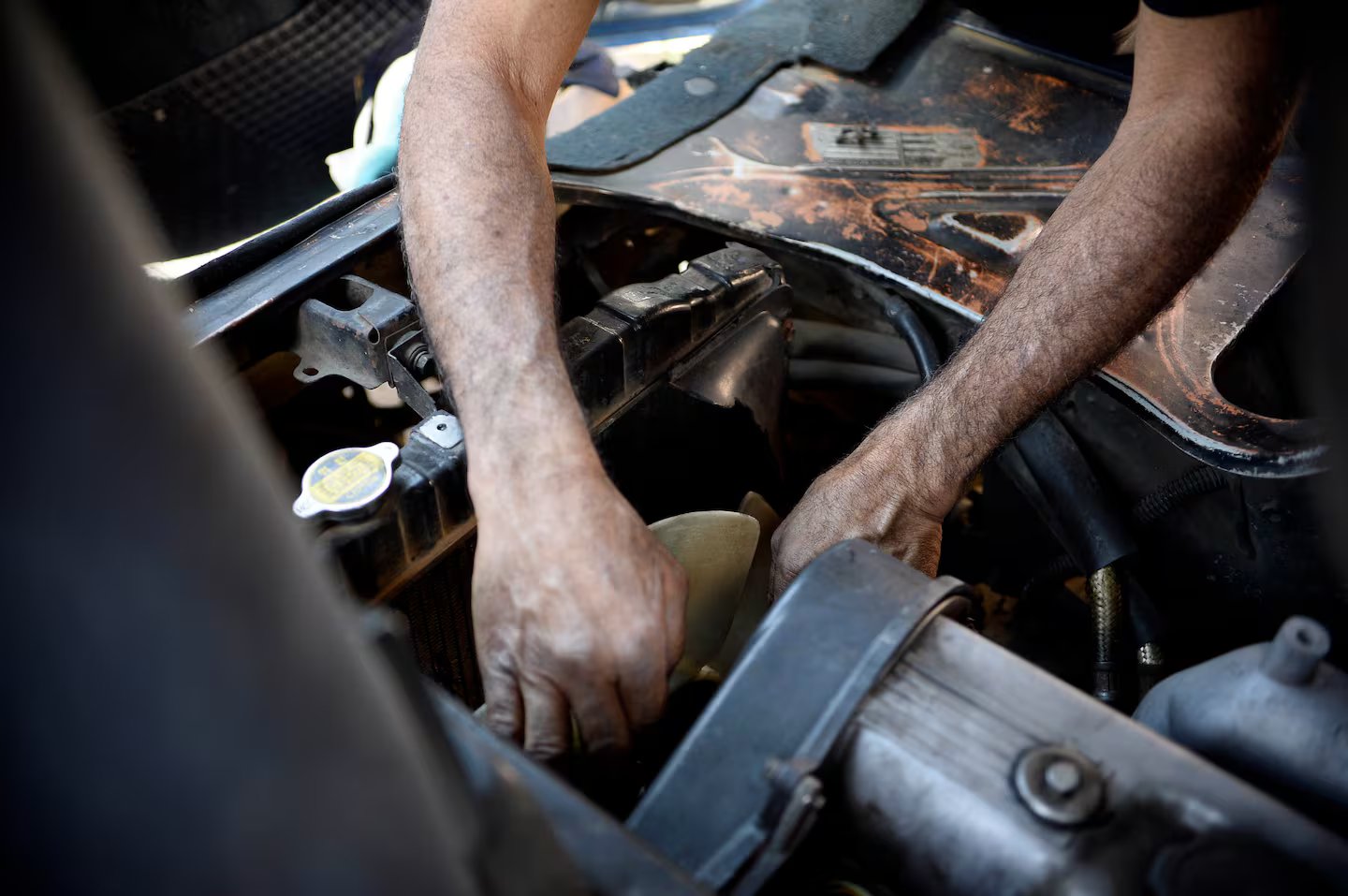
Thousands of drivers come to mechanical workshops every week. Many do it urgently and without knowing the place.
This situation generates distrust on the veracity of the diagnoses and the price of the services.
Experts like Scotty Kilmeran American mechanic and automotive content creator, warn that garage fraud affects cars of all types.
From private vehicles to business fleets they could be victims of unnecessary manipulations. Knowing the most common scams is key to protecting your pocket and your car.
Change of parts in good condition
One of the most frequent deceptions occurs when substituting parts that still work properly. Elements like air filters, brake pads or alternators They can be replaced without reason. To avoid this, it is recommended to request the recalled parts. If the explanation is not convincing, it is preferable to seek a second opinion at another workshop.
Repairs not made
Some workshops charge for jobs they never did. From oil changes to alignments, these services are billed, but not performed. That is why it is suggested to inspect the vehicle when picking it up and verify that the requested work is complete.
It is also recommended to consult the vehicle manual. It details what type of oil should be used and in what quantity. This helps detect excessive charges or the use of recycled oilwhich can reduce engine life.
Unnecessary brake changes
Safety is often used as an argument to propose changing brakes. Some workshops recommend replacing discs and pads without justification. In these cases, it is important to see the actual level of wear before authorizing any replacement.
Generic parts charged as original
A common practice is to install generic spare parts but charge their value as if they were originals. To avoid this, always request an itemized invoice. Check that the marks and codes correspond to your vehicle manufacturer’s specifications.
Unnecessary or inflated diagnoses
Charging for diagnoses can also be a critical point. Some workshops inflate the number of working hours or they apply high fees for simple revisions. When requesting a quote, ask for the full breakdown: labor per hour, estimated work time, and cost of each part.
Comparing prices between shops can help identify excessive charges. This also applies to engine analysis, which in many cases is an automated process that should not represent a significant expense.
*The creation of this content was assisted by artificial intelligence. The source of this information is from Grupo de Diarios América (GDA) media and reviewed by an editor to ensure its accuracy. The content was not generated automatically.