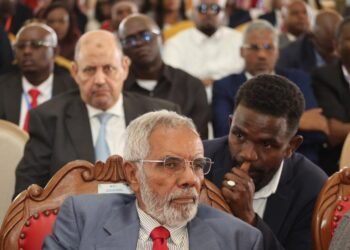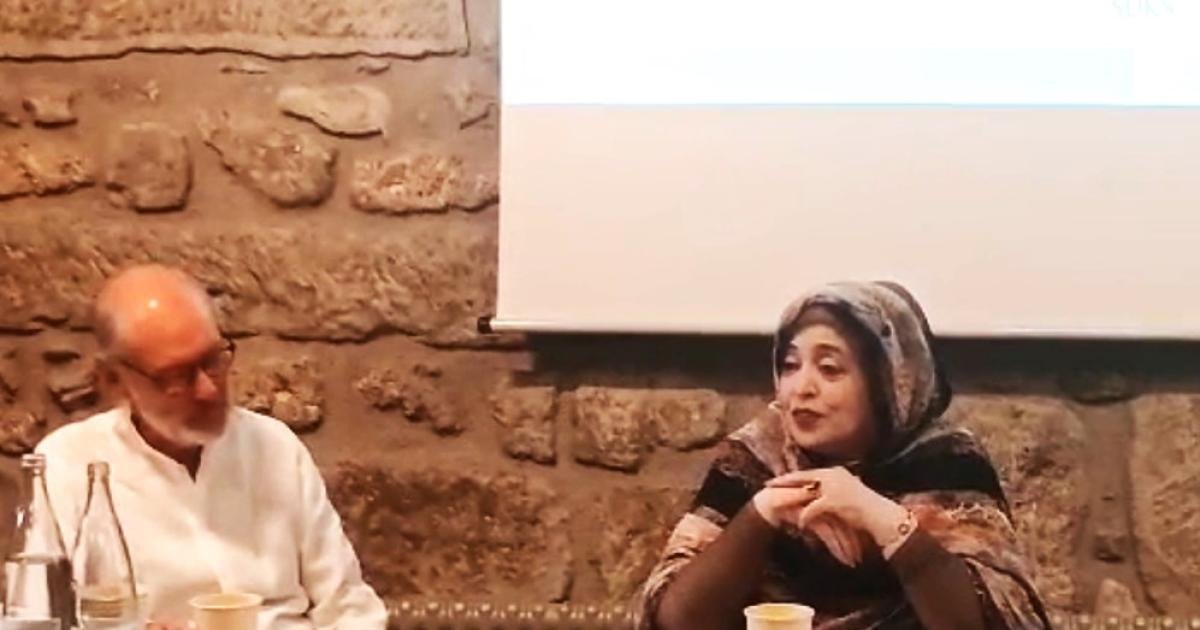
Bern (Switzerland), June 17, 2026 (SPS)The “Cavigturm” Policy Forum in the Swiss capital, Bern, hosted, this evening, Wednesday, the work of the “Western Sahara Forum 2026”, which was organized by the Swiss Forum in Support of the Sahrawi People, with the participation of political, diplomatic, academic and parliamentary figures, in addition to the representative of the Polisario Front in Switzerland and international organizations in Geneva, Sister Najat Hendi.
The participants discussed the topic “Resolving the conflict in light of the new transformations in global politics: What role can Switzerland play?”, in the context of the accelerating geopolitical changes and their repercussions on the course of the Western Sahara issue, and the efforts of the United Nations aimed at reaching a just and lasting political settlement, in accordance with the principles of international law and relevant United Nations resolutions.
During his intervention, Dr. Günter Pichler, an expert in conflict and peacebuilding and international mediator, reviewed the impact of current international transformations on conflict management and the prospects for peaceful solutions, addressing the challenges facing the international system in dealing with issues of decolonization and the right of peoples to self-determination.
For his part, Fabian Molina, a member of the Swiss National Council for the Socialist Party and co-chair of the Swiss Parliamentary Group – Western Sahara, stressed the importance of respecting international law, calling on the international community to assume its responsibilities towards unresolved disputes, and highlighting the role that Switzerland can play in supporting efforts aimed at finding a just and sustainable solution to the Western Sahara issue.
The representative of the Polisario Front to the United Nations in Geneva, Najat Handi, gave a presentation on the latest developments in the Sahrawi issue at the United Nations level, focusing on the challenges facing the path of the international settlement, and stressing the necessity of enabling the Sahrawi people to exercise their inalienable right to self-determination.
Members of the Sahrawi Parliament also contributed to enriching the debate by reviewing the political, legal and humanitarian situations in Western Sahara and the Sahrawi refugee camps, stressing the importance of continuing international efforts to reach a peaceful and just solution to the conflict.
The discussion that followed the interventions addressed the future of the political process, the role of influential international powers, and the prospects for settlement in light of the transformations taking place in the international system. The participants also discussed the role that Switzerland can play, based on its tradition of neutrality and international mediation and its embrace of a number of international institutions, in supporting dialogue and enhancing respect for international law and human rights.
At the conclusion of the forum, the participants stressed the need to keep the issue of Western Sahara among the priorities of international attention, and to strengthen efforts aimed at reaching a just and lasting solution that guarantees the Sahrawi people their right to self-determination, in accordance with United Nations resolutions and the principles of international legitimacy.
The forum formed a space for dialogue and exchange of visions between political actors, academics and civil society representatives, and contributed to deepening the discussion on the challenges and opportunities related to the future of the Western Sahara issue in light of the current international changes. (Was)
090/500/50 (Was)