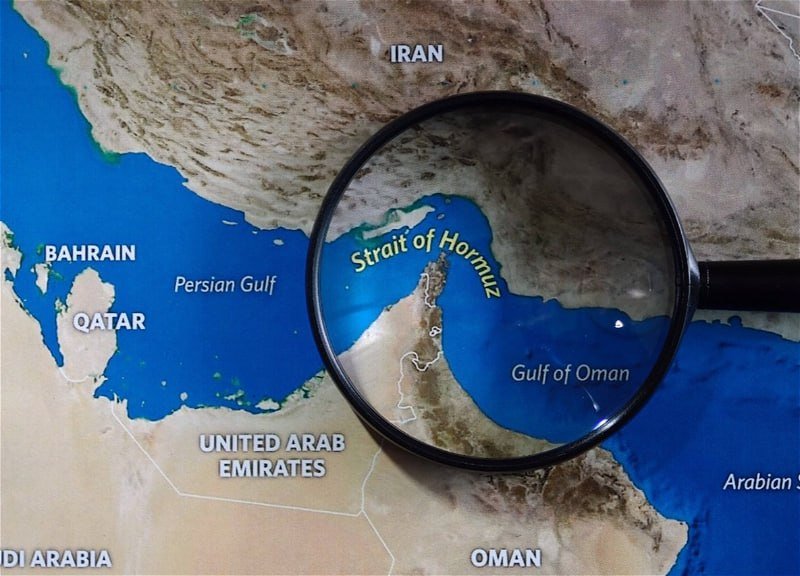
The United States has lifted the blockade of the Strait of Hormuz by order of President Donald Trump, the US Central Command (CENTCOM) announced on the evening of Thursday, June 18.
In a statement published on the department’s website on social network Xit is said that the decision was made in accordance with the decree of the American leader.
After restrictions were lifted, oil tanker traffic resumed through the strategically important strait.
According to US Vice President J.D. Vance, on the night of June 18, about 12.5 million barrels of oil passed through the Strait of Hormuz.
He called this volume the largest since the beginning of the war between the United States and Iran.

US Central Command also announced the lifting of a blockade on Iranian ports, allowing shipping traffic to resume through a key energy route.
After the opening of the strait, oil prices fell. Brent oil futures fell below $78 per barrel, the lowest level since the conflict began on February 28, Reuters reports.
BBC writesthat we should not expect a quick return of oil to pre-war prices.
Firstly, the war is not formally over. The signed memorandum is only an extension of the truce and the beginning of new negotiations between the United States and Iran. Investors have already been burned by the Middle East agreements, so they include a so-called “risk premium” in prices – insurance against a possible new aggravation.
Secondly, the oil market is not capable of recovering at the snap of a finger. During more than three months of disruption, production in the Gulf countries fell sharply, some infrastructure was not operating at full capacity, and suppliers and buyers were forced to rebuild logistics. It will take months for production and exports to return to previous levels.
Thirdly, the largest importers will have to replenish strategic reserves, which they actively spent during the crisis. Additional demand from governments will support prices even after supplies are restored.
Therefore, markets are likely to ignore Donald Trump’s famous gesture. If the truce continues, oil prices will continue to fall, but the path to the pre-war $60 per barrel may take more than one month.
A more realistic scenario is a gradual decline in prices over the coming year as production, transportation and reserves recover.