Peaky Blinders It is one of the most acclaimed series of recent times. What began as a period drama about a family crime gang in Birmingham, England, transformed into a cultural phenomenon. Its impact is such that it united anonymous spectators and world stars such as Snoop Dogg, Julia Roberts or Brad Pitt.
Just two weeks before the premiere of the film that Netflix made about the series of BBCmany wonder if the total story they followed on screen for six seasons is real. Although the production places the audience in the 1920s, after the First World War, The reality is that the real “Peaky Blinders” had their heyday long before. They were not the mature, political criminal organization portrayed on screen, but rather gangs of teenagers and young people who wreaked havoc in neighborhoods like Small Heath in the late 19th century.
For when the Tommy Shelby of fiction dealt with Churchill or the Italian mafiathe original Peaky Blinders were already almost a memory having been displaced by more organized gangs.
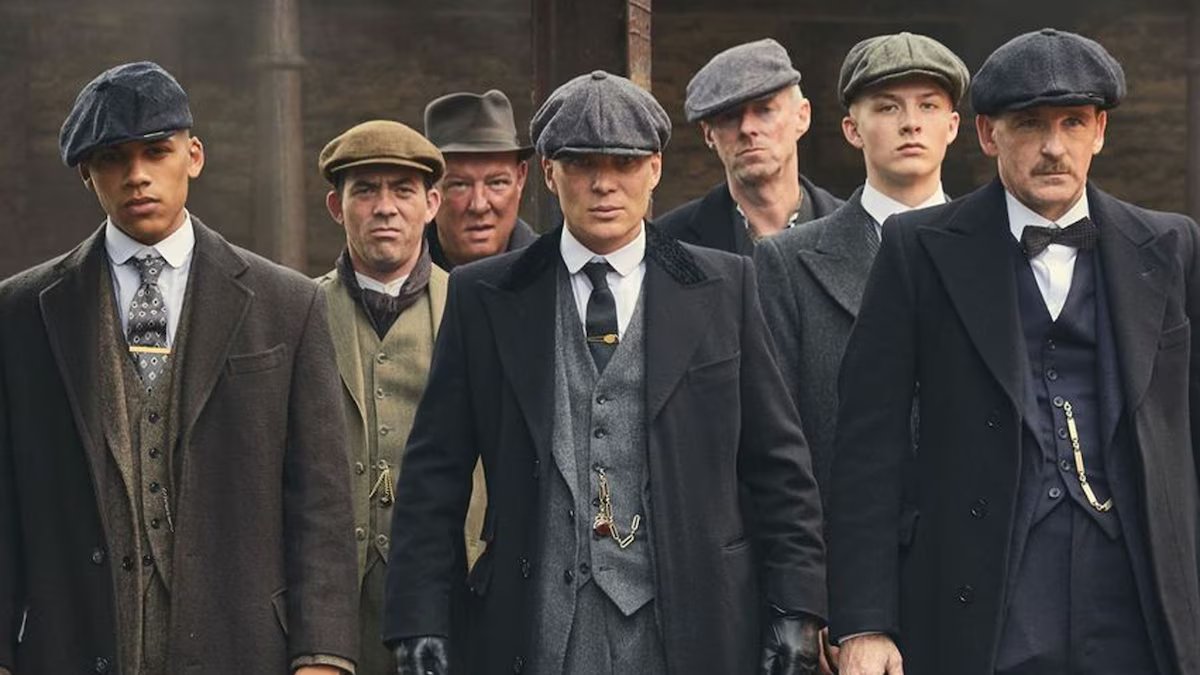
Elegance is the hallmark of the series. Tailored jackets and silk scarves were part of the “uniform” of these young people. who sought to distinguish themselves from the rest of the people. But what about the famous razor blades on the visor?
Although it is the most powerful symbol of the fiction scripted and directed by the British director Steven Knight, historians agree that it is a myth. There is no evidence that they were used as a weapon.
On the other hand, the Shelby family tree was born from the stories Knight heard as a child. His uncles, The Sheldons were the ones who managed the illegal bets in real Birmingham.
However, the crossover between reality and fiction does not stop there:
For fans looking for real traces of the gang in modern-day Birmingham, the reference point is the pub The Garrison. Located on Garrison Lane, just a short walk from Birmingham City’s St Andrew’s stadium, this building retains its original walls that are over a hundred years old. However, the current reality is far from the refuge that BBC transmits; Today the property is in an advanced state of deterioration and remains closed.
Despite the deteriorated state of its historic headquarters, the impact of the series revitalized interest in the region’s industrial history. Following this, places like the Black Country Living Museum —main filming set of the series— They became visiting centers for those who wish to understand the living conditions of the working class of the time.
Although the original gangs dissolved around 1930 due to the advance of more powerful criminal groups, their name returned a century later to redefine the identity of Birmingham. The series not only rescued a forgotten local chronicle, but transformed a past of petty crime into a cultural phenomenon that today generates tourism, historical studies and a brand recognized throughout the world.