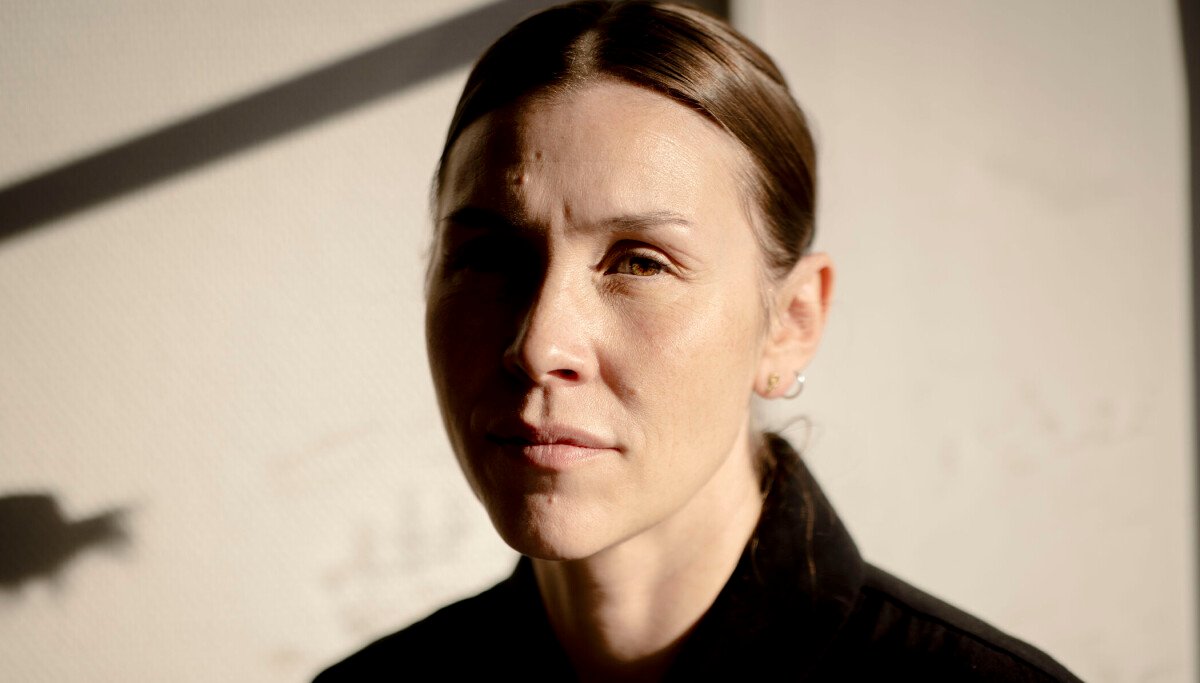
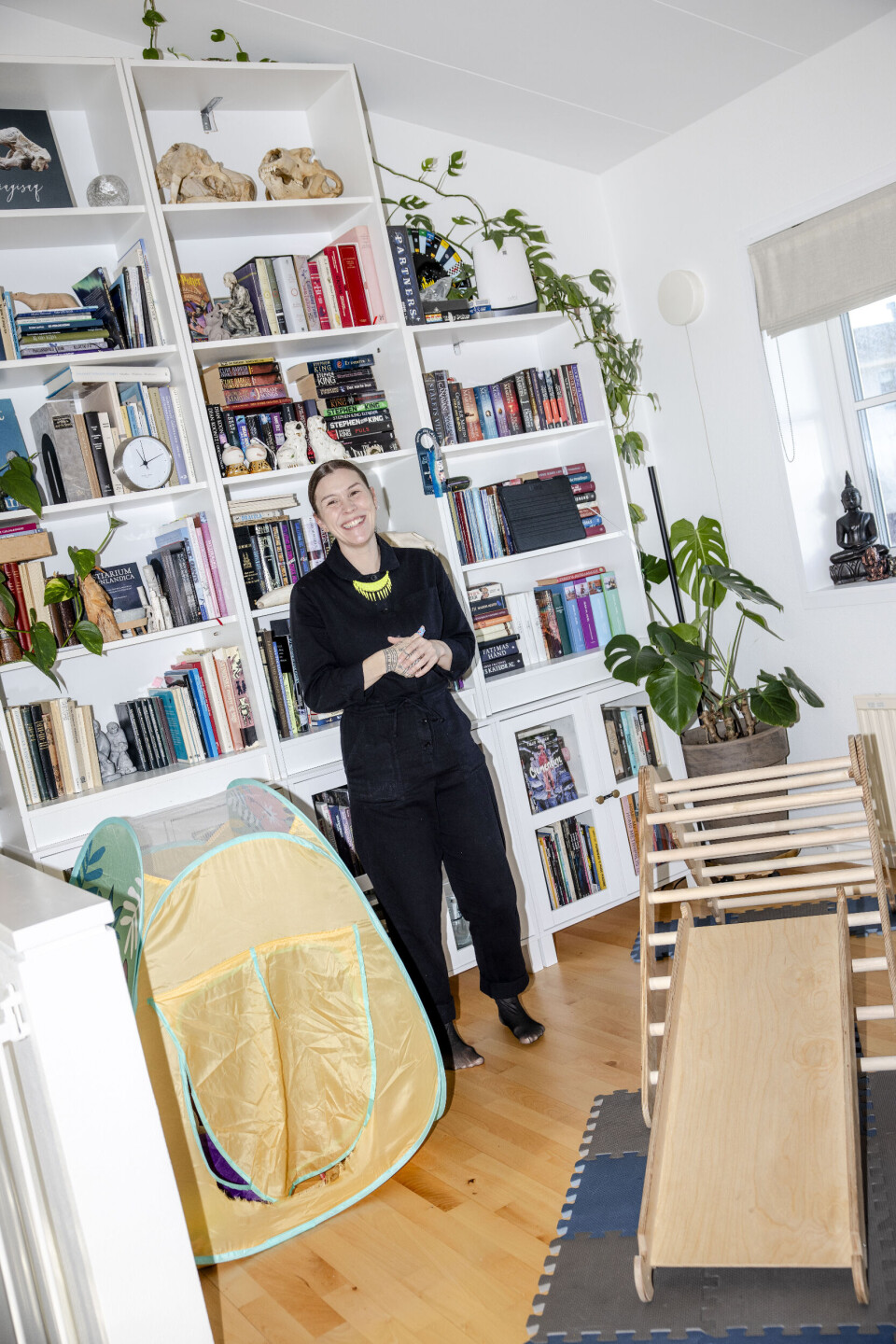
She is sitting with the book in the hands.
It is filled with small colorful post-its that stick out between the pages. Some places have more than others. She returns to it again and again.
The book is Stories and watercolors of Jens Kreutzmann, her ancestor. A book she is proud to have standing, but also a book she still uses. Because it was here that something began.
In the old tales, she found a universe of beings, monsters and stories, which would later lead her on to her own work.
It is not the book that Maria made herself.
But without it was hers Bestiarium Groenlandica maybe never came to be.
Because when she sat in London in 2013 with a pile of Greenlandic books, she had no plans to write a bestiary. She had moved there to work in what she was originally trained for: 3D computer graphics. She made commercials, games and visual effects.
But in the evening she read.
She read about myths and tales she knew from her childhood. About ikusik – a legendary monster – or about qivittoq – the mountain walker. Until she suddenly encountered something she didn’t know.
A creature.
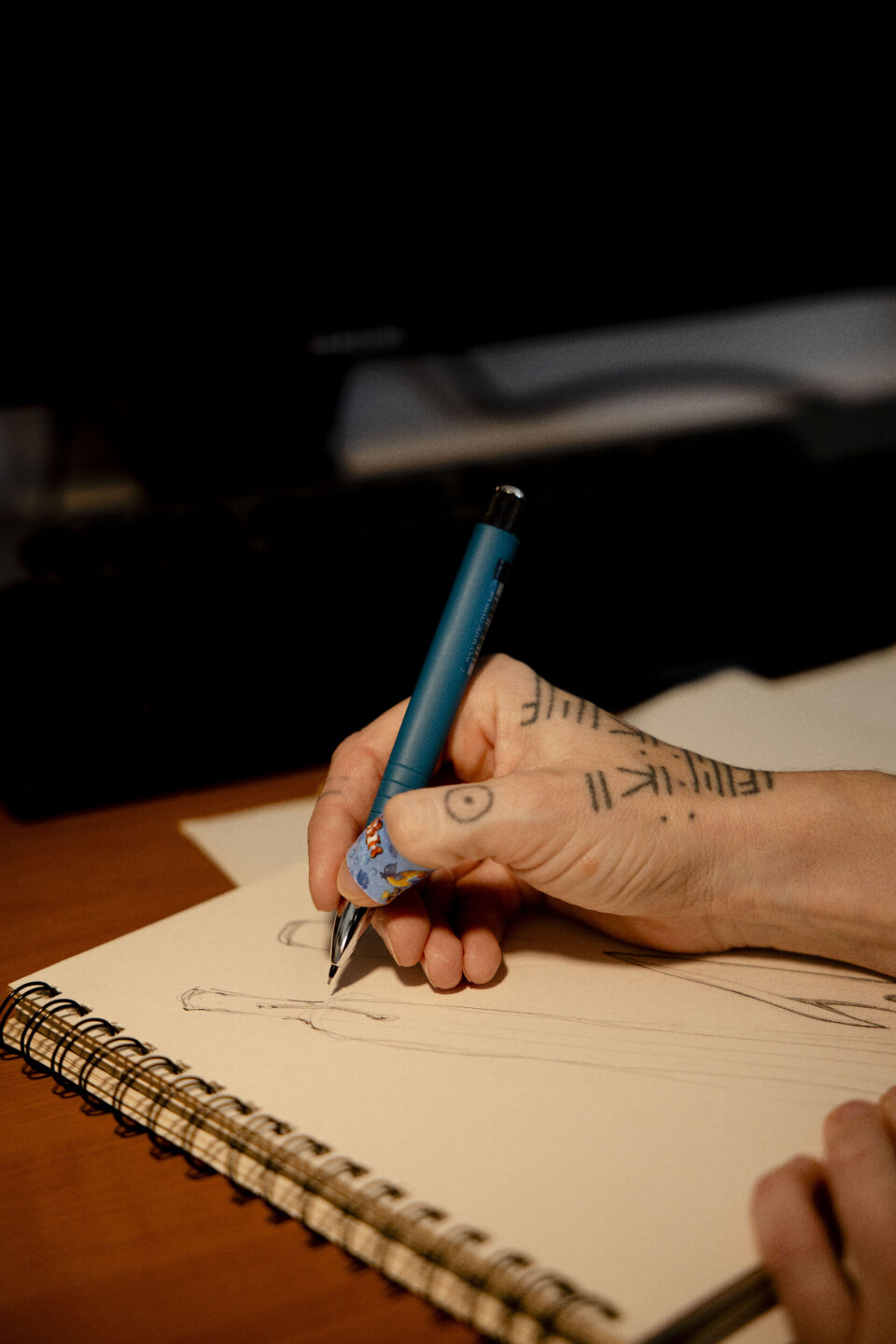
She could recognize it from somewhere. Maybe she had seen the picture before. Perhaps she had heard the tale. But the details were gone. Then she started writing them down.
First in a notebook. Later in a Word document.
She just wanted to remember them. She did not yet know that the notes would one day be created Bestiarium Groenlandica – an illustrated handbook of Greenlandic mythical creatures.
But they did.
And Maria became, in her own words, a professional monster hunter.
An appetizer for the culture
But Maria isn’t just hunting monsters.
For her, the creatures are a shortcut into something bigger. A way to make people stop and become curious about a culture and a history that can otherwise feel difficult to enter.
– I usually say that Greenlandic mythology, or the creatures from our history, is actually a fantastic appetizer for the whole menu that is Greenlandic culture and history.
She herself knows the feeling of being caught up in a story. Therefore, she uses the monsters as bait.
Because once a person has become curious about a creature, she wants it to stick around a little longer.
– I try to lure people into the trap: Now you have learned about our beings, you might as well take the rest of our history with you, says Maria Kreutzmann.
This also applies to the parts of the story that are more difficult to talk about.
Colonial history. The spiral scandal. The social problems. Anything that can make people shut down because it becomes heavy or uncomfortable.
Then a monster like Sassuma Arnaa – Mother of the Sea – or a qivittoq can be another entry. Especially for children.
When Maria talks at schools, she experiences how the students are first absorbed by the beings. Then the questions start coming.
Do we really have such stories in Greenland? Where do they come from? Why did you tell them? What do they mean?
And suddenly it’s no longer just about a monster.
– It was an eye-opener for me to learn about our culture, says Maria.
Human skulls and snow caves
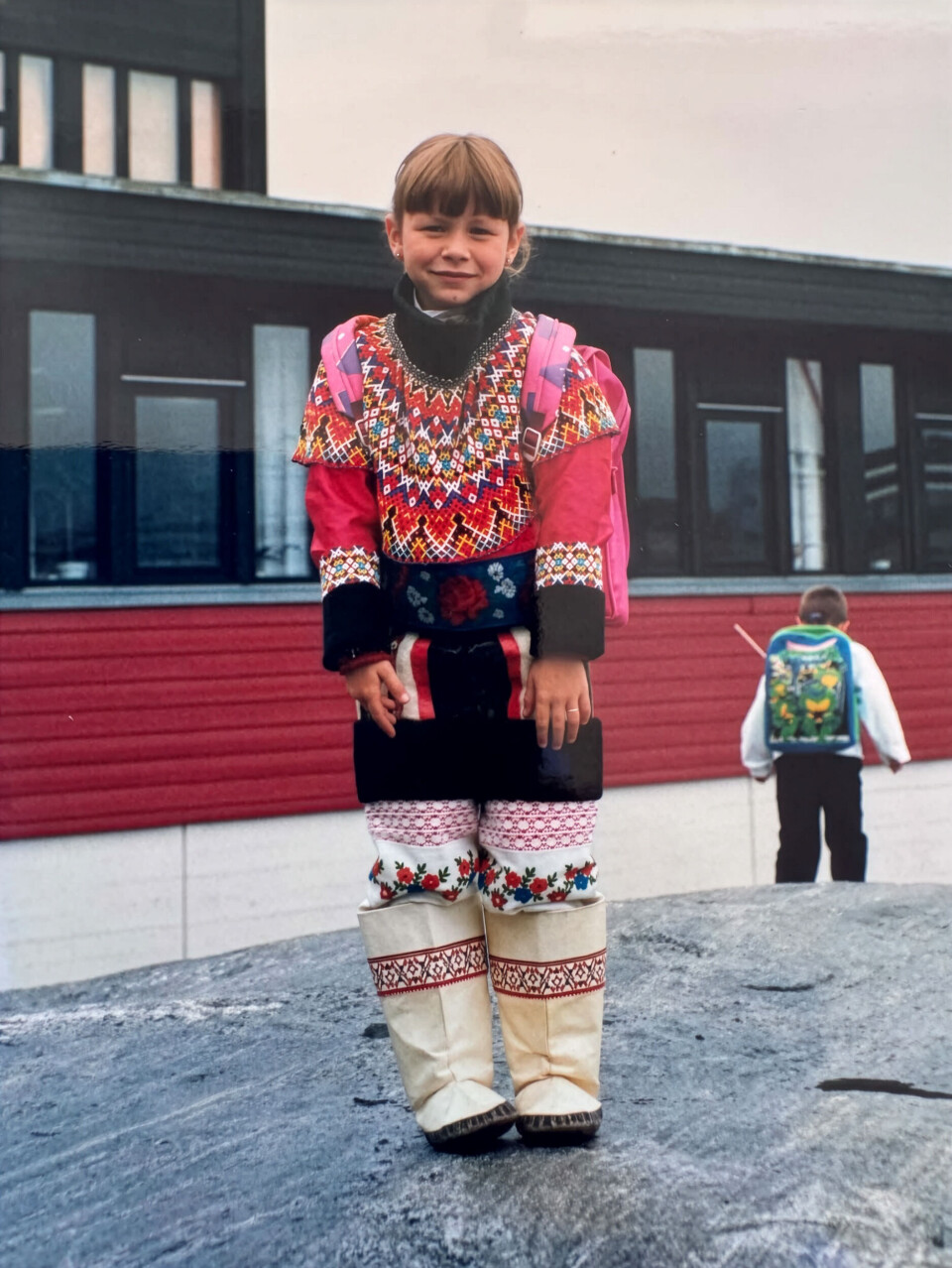
Maria Kreutzmann grew up on Radiofjeldet in Nuuk. She remembers the steep hills and the tricycle that went a little stronger than she had intended. The playgrounds. The big sandboxes. The trips down towards the fjord.
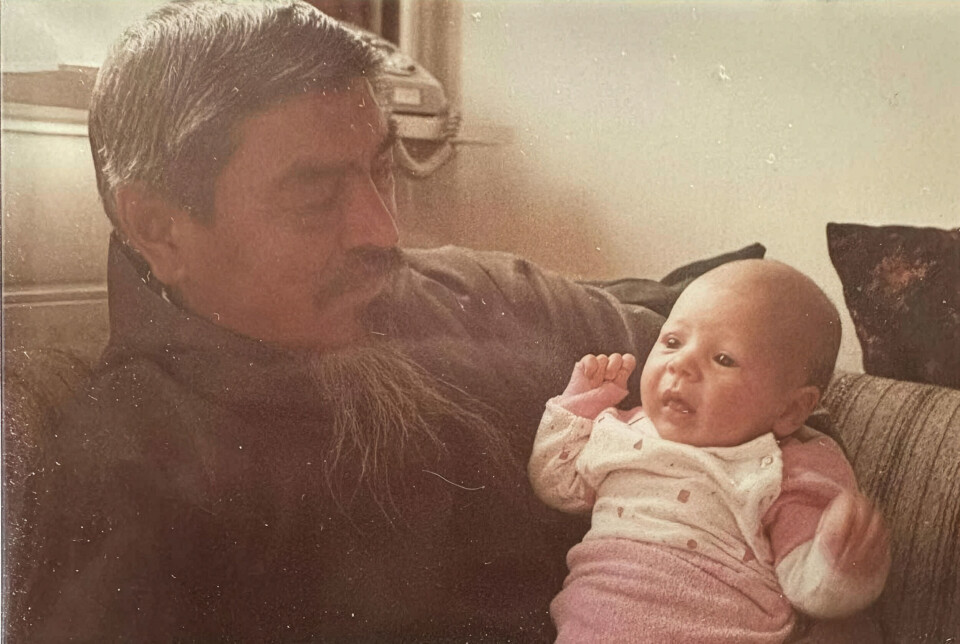
Just nearby was her father-in-law Jens Kreutzmann’s house.
It was a small, crazy house with books, stuffed animals and a human skull in the living room.
For Maria, it was not only (un)pleasant. It was interesting.
– He had a human skull standing in his living room, and at the time they were open about the fact that it had once been human, she says.
Her aataa spoke openly about it. Therefore, the morbid did not become something that Maria needed to be afraid of. It became something she could investigate. Perhaps the fascination began there.
Because she drew. She drew so much that her mother still has folders with drawings from kindergarten and primary school. Princesses and ponies found their way onto the paper, but the monsters also filled.
– I have always loved monsters, she says.
She drew characters from films and cartoons. X-Men. Witchblade. All that she herself was preoccupied with. And once she sat down with a pencil, the rest of the world could disappear.
– You can concentrate on one thing, and all the noise takes place in the back of your head instead, she says.
It was also a childhood with the fjord. With trips out into nature, with snow caves and summer holidays in Denmark. With adults who told stories and with messages not to run too far into the mountains. Because there was always something out there. A ukisik or a qivittoq. A story. Something to watch out for.
At the time, Maria did not know how significant Jens Kreutzmann’s work was. She did not know that the man with the books, the skull and the stuffed animals had helped preserve part of the storytelling tradition. She only found out later.
Today she sits with the books herself.
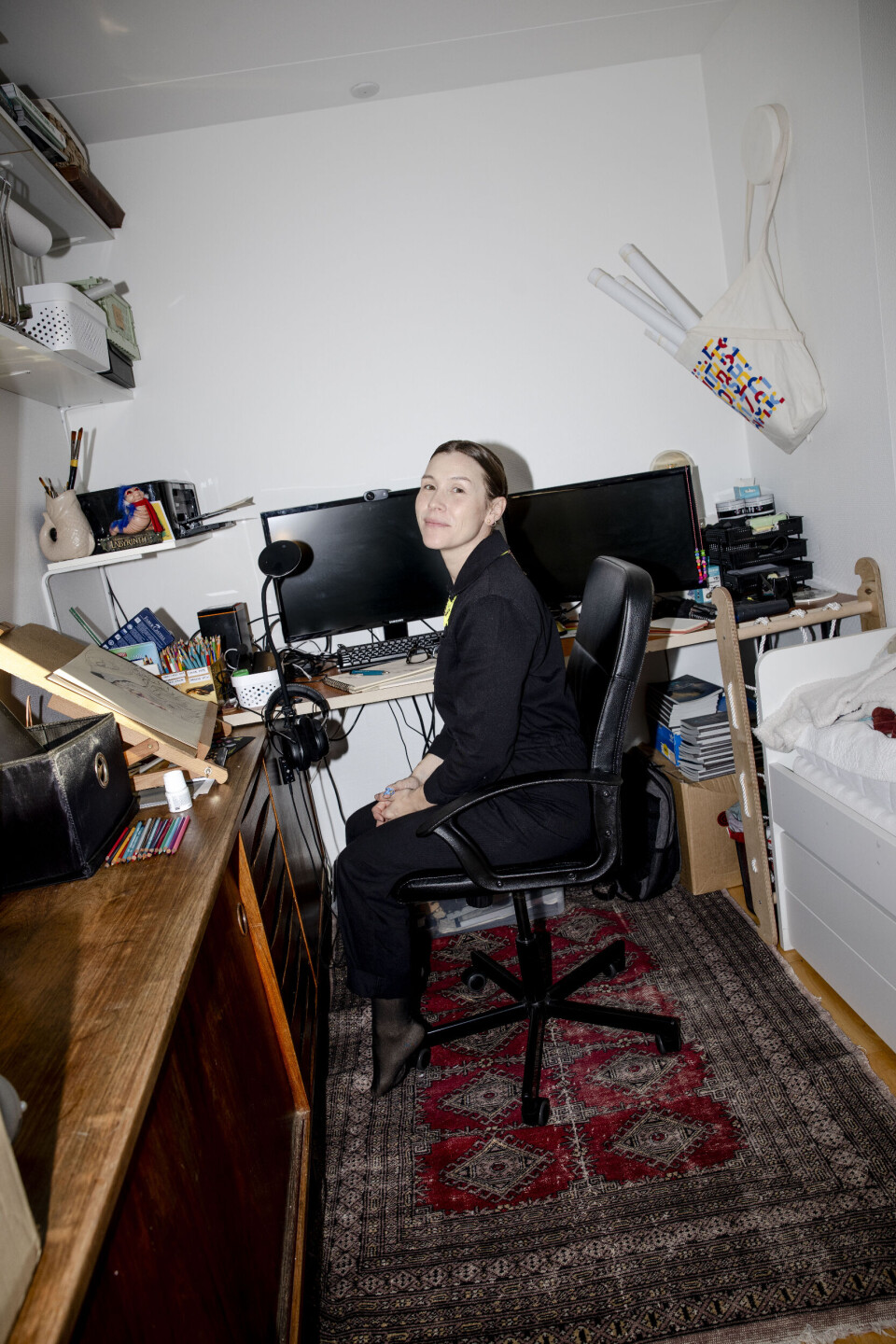
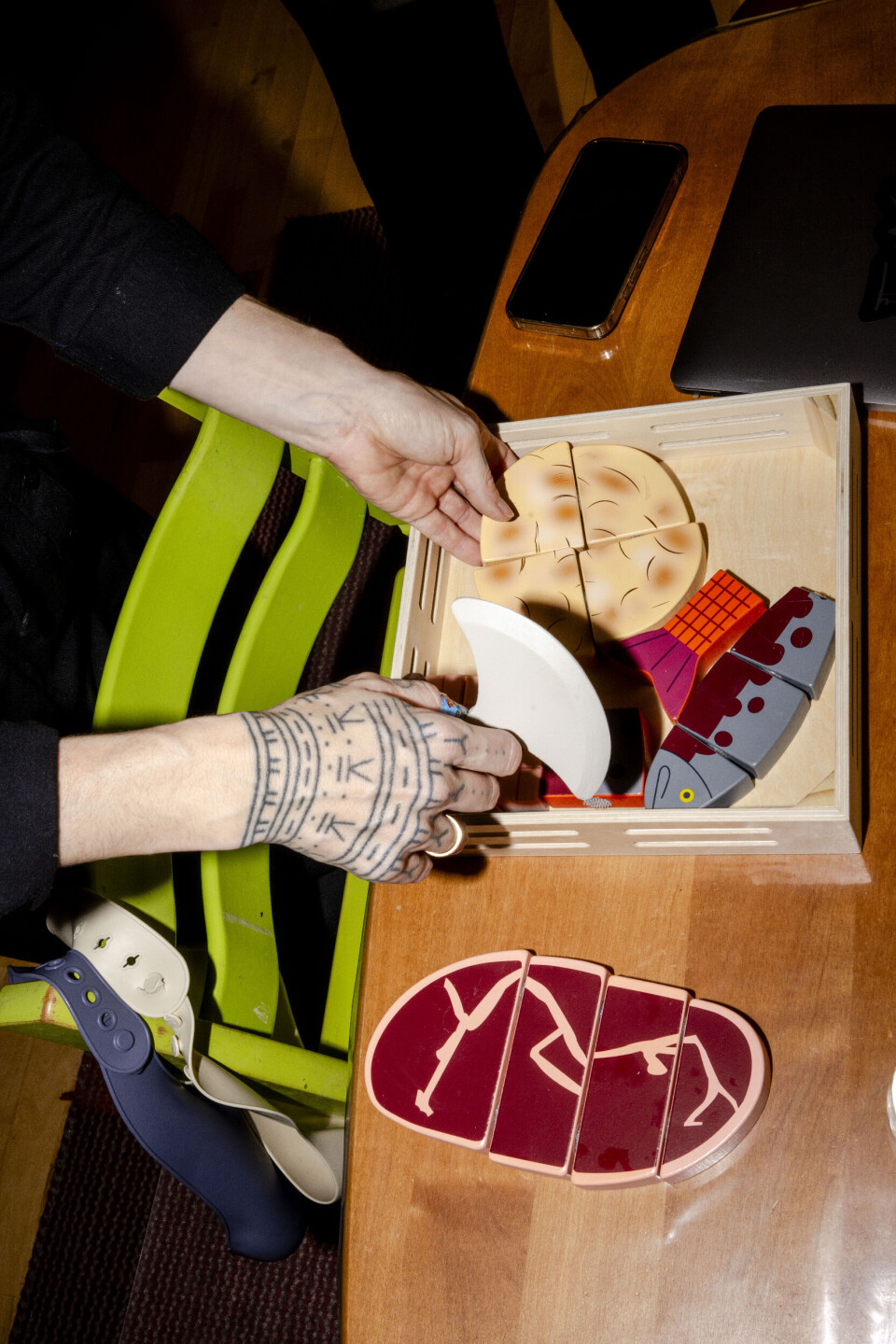
She is looking for the beings she was not told about as a child. She draws them. Find their names. Looking for their stories. The girl at Radiofjeldet drew monsters. The adult Maria is looking for them.
The talking machine of the class
When she wasn’t drawing, she went to school in ASK, later in Qorsussuaq and in Denmark. She was the extrovert in the class.
– I was probably the talking machine, she laughs.
Maria went to a Danish class.
– Unfortunately, this also meant that I am not fluent in Greenlandic. I can do a little, and it’s something I’m still working on, she says.
The family moved around a bit. First to Inspektørbakken in Nuuk and later to Denmark.
– I feel that I had a good upbringing. Of course, there were always a few lice in the fur, she says.
After primary school came post-secondary school, a year on exchange in the USA and a few years when life got messier.
– The USA was probably also a little different then than it is today. It was the land of opportunity, and it was what you saw on television. I was fascinated by American culture and everything, so I went and it was a great experience.
Her parents divorced when she was young and her mother fell ill. It came to occupy a lot in her life.
– I had a few years where I floundered around a bit. It was a silly few years. I was a slightly uncomfortable teenager and a bit troublesome, she remembers.
At 18, Maria was sent to South Africa for a few months. Her mother had a brother who worked there.
– When I came to South Africa, I actually learned to stop feeling so sorry for myself, she says.
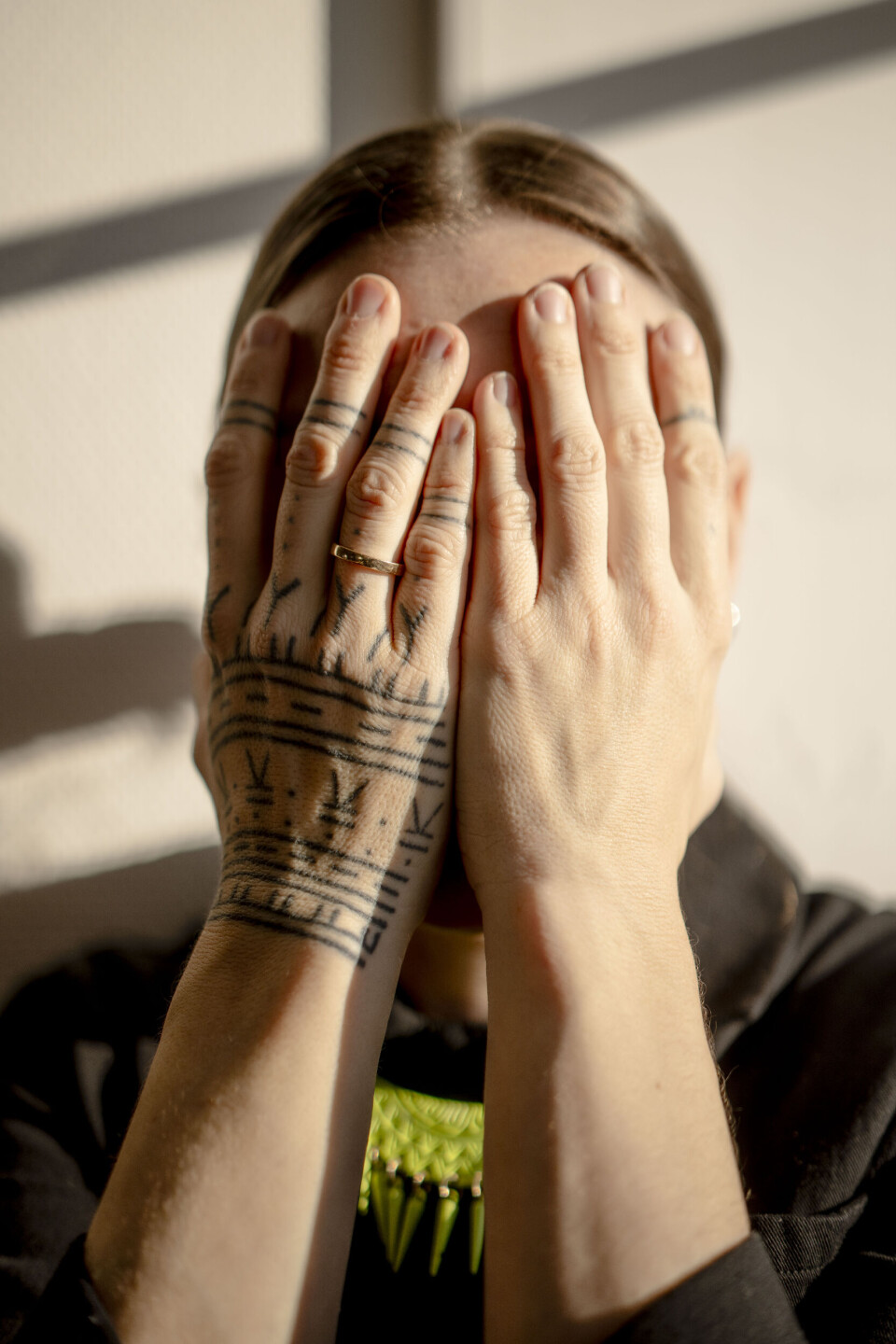
The stay was also an encounter with a reality she did not know from home.
– I was confronted with what I didn’t know at the time, but which you could say was the ugly face of colonialism, says Maria Kreutzmann.
The meeting with the people and culture of South Africa changed something in her. She began to see her own life in a different way.
It was a turning point. Not because her own problems disappeared, but because her view of them changed.
The stories must go on
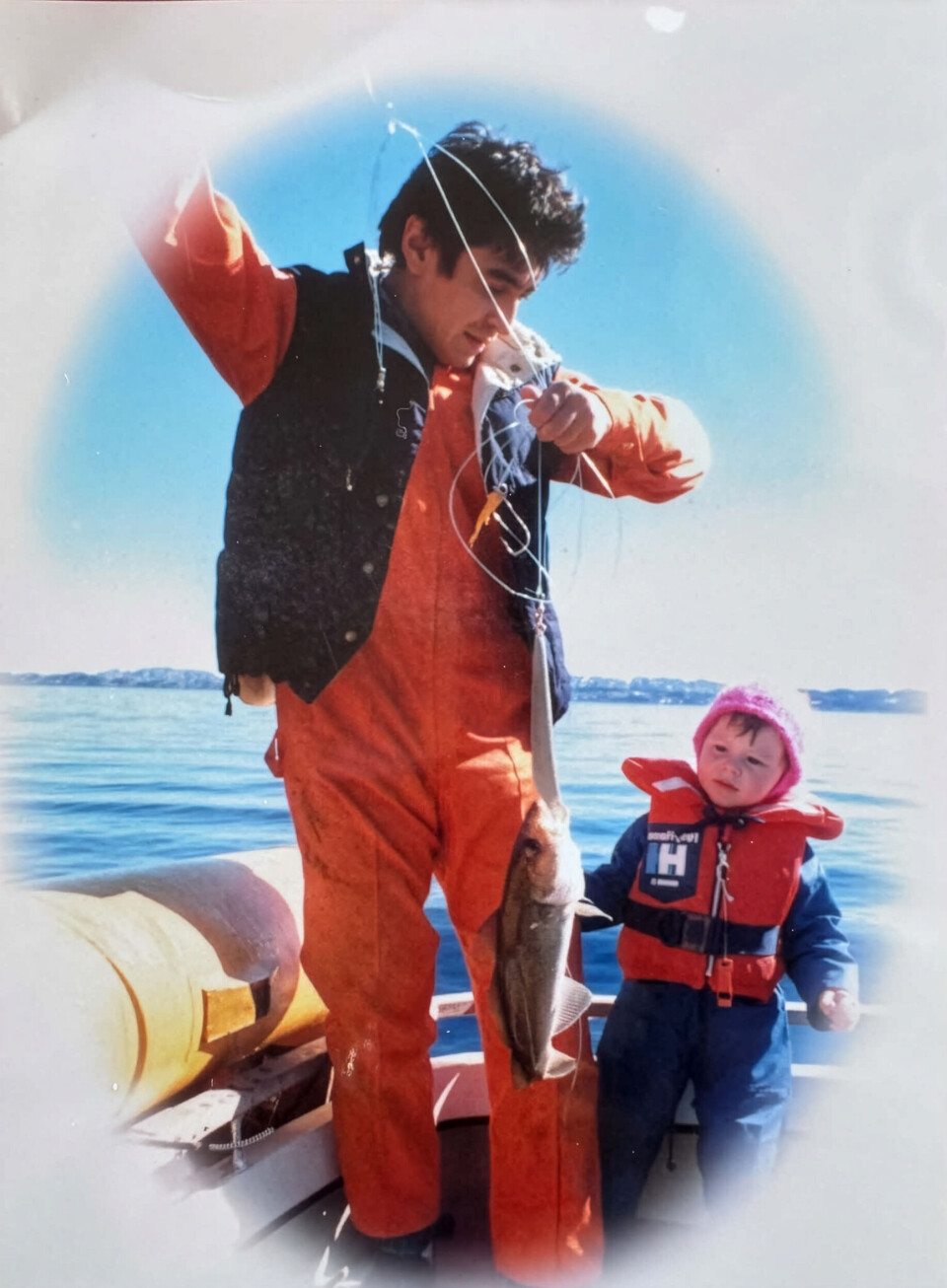
Today, Maria lives in Nuuk with her fiance, who is a fisherman, and the couple’s two boys.
When she is out in the fjord with her children, the stories also come along. She tells them about the beings. About taking care. About the old stories that she herself grew up with, and which she has now spent years finding again.
Her own children have Greenlandic as their first language. At that point, they already have something with them that she herself has had to struggle to find her way back to.
But she can give them the stories.
– It may well be that I pass on a lot of what I grew up with to my children.
There are books everywhere at Maria’s house. In the children’s rooms. In the bedroom. In the living room. Even in the bathroom.
She reads to her children when the time is right. And her son’s name is Jens Kreutzmann, the same as her grandfather.
She is proud of that.
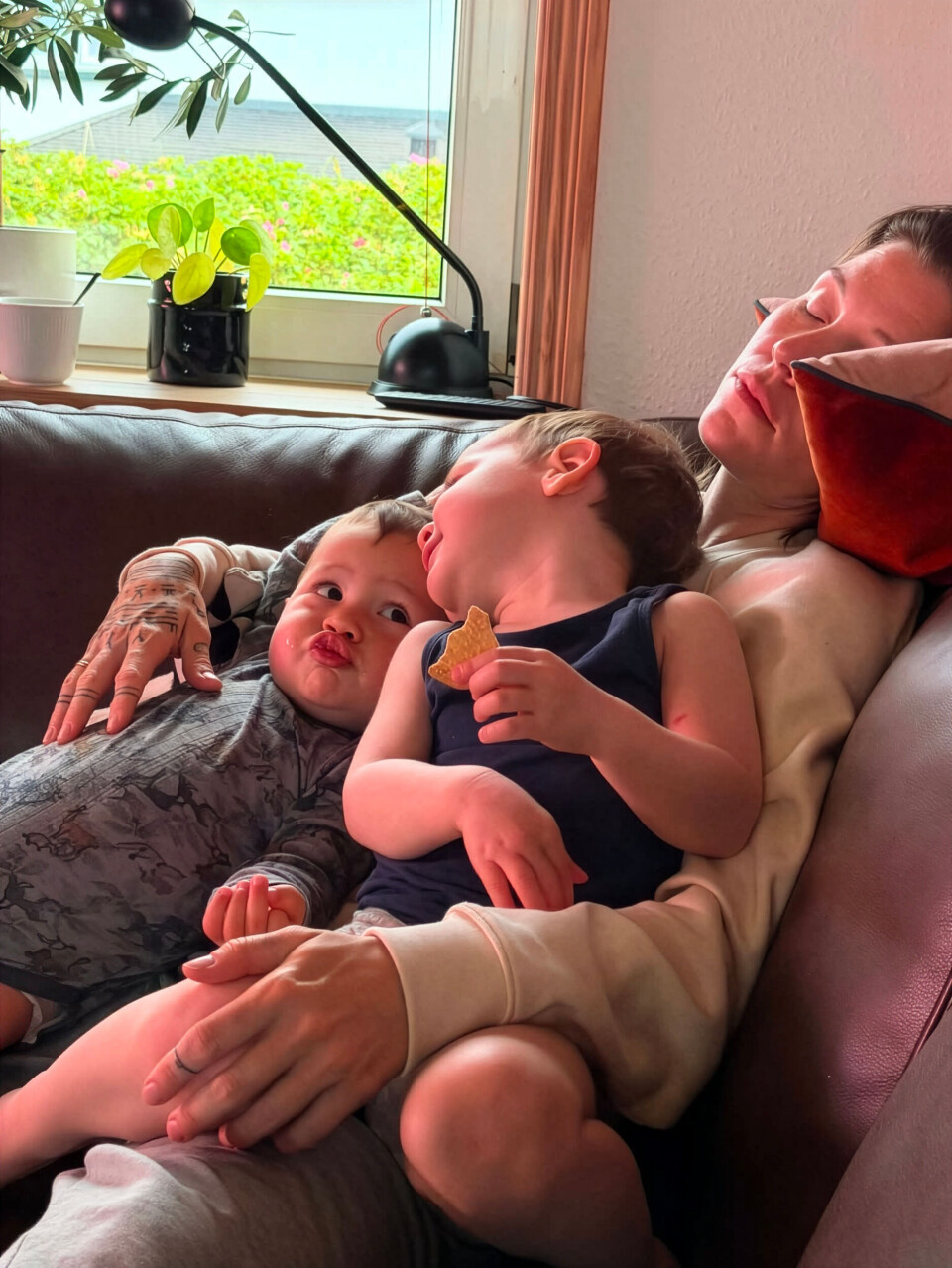
She got the stories from those who came before her. She has collected them, examined them and written them down. Now she passes them on to her own children.
And then there’s that book.
Stories and watercolors by Jens Kreutzmann, her ancestor, still stands among the books. The one with the colorful post-its sticking out between the pages. The book Maria keeps coming back to.
She opens it again.
Maybe that’s how something lives on. Not because someone decides they have to, but because someone keeps opening the book.