Of Federico Piana
The rescuers say they found themselves faced with a dramatic, at times apocalyptic, scene: many schools, homes and roads practically no longer exist. Electricity and telecommunications in several areas are now completely non-existent.
In the aftermath of the terrible 7.8 magnitude earthquake that hit the Philippines, the island of Mindanao and the neighboring provinces at the epicenter of the earthquake – which was recorded in the sea at a depth of just 13 kilometers – are trying to count the damage. And the deaths: according to the latest bulletin, there would be 41 but, warns Afrhill Rances, representative in the Asian area of the International Federation of Red Cross and Red Crescent Societies interviewed by our newspaper, “the number of victims is still being verified and varies as the assessments continue”. This means that it could soon increase, also because direct testimonies on site explain that the injured are treated outdoors under the scorching sun while rescue operations are slowed down by the lack of practicability of the connecting roads.
The areas that the rescuers are working to reach are not just those of Mindano, Rances clarifies: «The impact extends beyond. It involves a large area of Mindanao and nearby regions. The earthquake was felt in several provinces, including Davao Occidental, South Cotabato, Sultan Kudarat, North Cotabato and parts of Zamboanga and the Bangsamoro region.” And then there was a tsunami warning, which returned after a few hours, «which caused the evacuation of at least nine provinces in which serious damage to schools, roads, bridges and hospitals was reported. School lessons have also been suspended with repercussions on millions of students.”
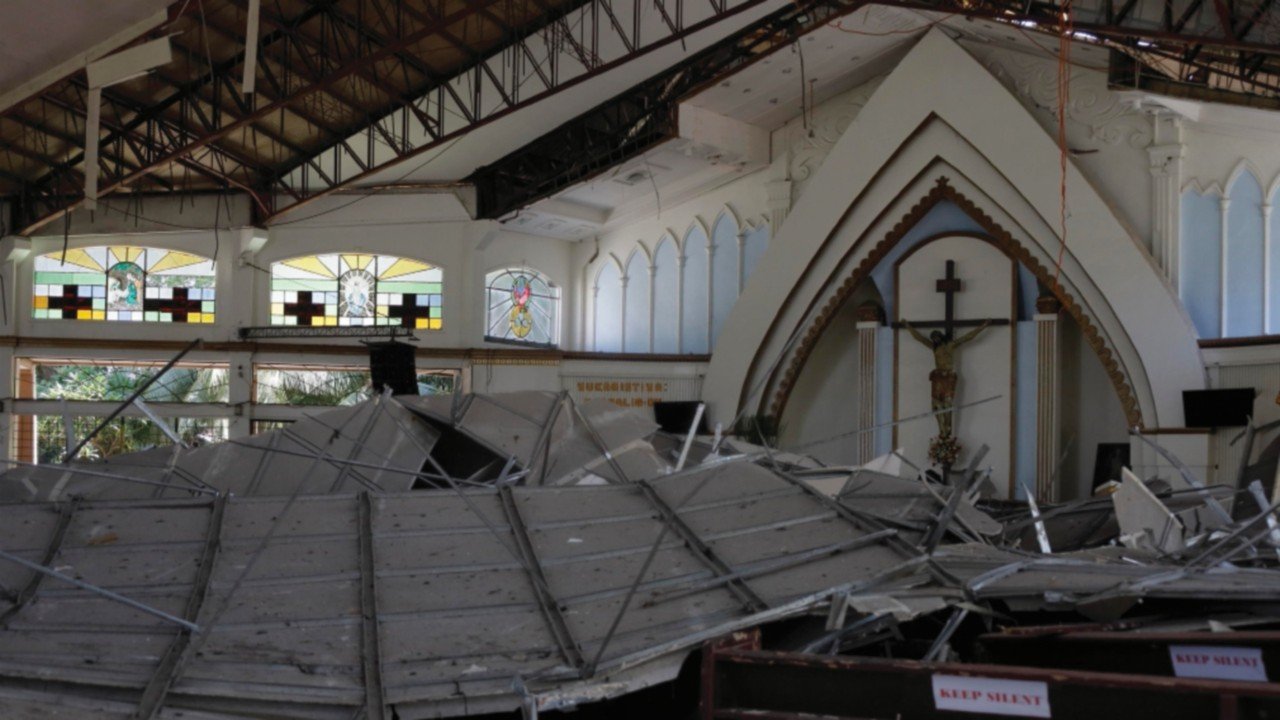
One of the most affected dioceses is that of Marbel which includes the provincial territory of South Cotabato, Sarangani and part of the province of Sultan Kudarat. Here some sources cited by the international press have announced the collapse of some churches and ecclesiastical buildings. «For now, since the assessment activities are still ongoing, no confirmed data on the extent of the damage is yet available» specifies Jeanie Curiano, head of humanitarian interventions at Caritas Philippines. Who also tells us that the sub-regional humanitarian team of the dioceses of Davao, Digos, Tagum and Mati has already become operational to support the population: «Caritas Philippines maintains close coordination with the diocese of Marbel to monitor the evolution of the situation on the field, collect timely information and support the identification of priority humanitarian needs and response actions. Urgent assistance is expected to focus on saving lives and basic humanitarian needs, including food, drinking water, emergency shelter, non-food items, health services and support for the protection of the most vulnerable groups.”
The Philippine government wasted no time in quickly activating national emergency response mechanisms. “The authorities – confirms the representative of the International Federation of Red Cross and Red Crescent Societies – have prepared food supplies, opened evacuation centers and deployed teams of engineers to assess the damage and restore accessibility to infrastructure and essential services”.
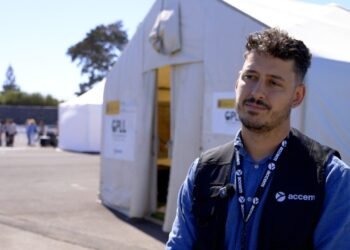
The Philippine Red Cross itself, among the first responders to be immediately operational, “mobilized staff and volunteers in the affected areas, particularly in the surrounding provinces, deploying ambulances and providing medical assistance and psychological support to the victims”.
Just over 24 hours after the first, powerful, earthquake, over a thousand aftershocks were recorded. «Yesterday – recalls Rances – small tsunami waves of around 1 meter were observed in some locations but, in the end, the alert was lifted. Although there are currently no new tsunami warnings in progress, the authorities continue to recommend maximum vigilance, especially in consideration of the risk of new seismic waves and the possible structural collapse of already damaged buildings”.
In General Santos, one of the largest cities in the Soccsksargen region, the wounded and sick are now being treated in makeshift places. Some local reporters witnessed doctors encouraging a woman about to give birth in a park, behind a screen, before clearly hearing the cries of a newborn baby. A sign of hope in a situation of fear and pain.