
Deputies of the Parliament of Tajikistan approved a document according to which from now on migrants will be sent to work in Russia in organized groups. In addition, they will be able to complete some of the mandatory registration procedures here, in their homeland, even before their departure.
Such amendments were made to the “Agreement between the governments of Tajikistan and Russia on the organized attraction of citizens of Tajikistan to work in Russia” and approved by deputies on April 8.
What is the point of the changes?
People will be sent to work in Russia in organized groups through government agencies. That is, not just “find a job and go,” but through an official mechanism. In Tajikistan, this will be done by the Ministry of Labor, Migration and Employment: it will be able to send citizens to Russia in an organized manner, for a specific recruitment.
Previously, many migrants more often acted independently: they looked for intermediaries, employers, or simply went to Russia and tried to find work there. Now the state wants to take on more coordination and make the process more centralized.
But this does not mean that the only way to go to work in Russia now is through the Ministry of Labor. For now, we are talking about organized recruitment as a separate mechanism, without a ban on any other methods of going to work.
What would such a target set look like?
The organizational recruitment procedure provides that the employer conducts an interview in advance with a potential employee from abroad, provides him with social guarantees in accordance with the employment contract, and the employee undertakes to comply with working conditions and the laws of the host country.
Thus, the system becomes more transparent and organized: the employer can select suitable candidates in advance, and the migrants themselves can prepare for relocation and future work. This should reduce the risks of illegal employment and facilitate adaptation to a new place.

What other changes have occurred?
Organized recruitment through the Ministry of Labor of Tajikistan will also be facilitated by the fact that now some of the mandatory procedures (for example, fingerprinting, medical examination, language proficiency exam) will be carried out at home, before leaving for Russia. That is, before the trip, a person will be able to be checked in advance and prepared for departure.
For labor migrants themselves, this may mean a more understandable and predictable exit pattern. If previously many people drove almost blindly, dealing with documents, exams and medical examinations on the spot, now some of these issues can be resolved in advance – in Tajikistan.
In this case, after entering the territory of Russia, all that remains is to obtain a work permit (patent) and begin working.
This is especially important for those who are going to work in Russia for the first time. When some of the formalities are completed at home, a person has less risk of facing a refusal, fine or other problem after entry. At least that’s how it should work in theory.
The cost of a medical examination to obtain a patent in Tajikistan is already known. According to Salomuddin Yusufi, First Deputy Minister of Health and Social Protection of the Population, in public medical institutions the procedure will cost 240 somoni, in private ones – 300.
What do the Tajik authorities think about this?
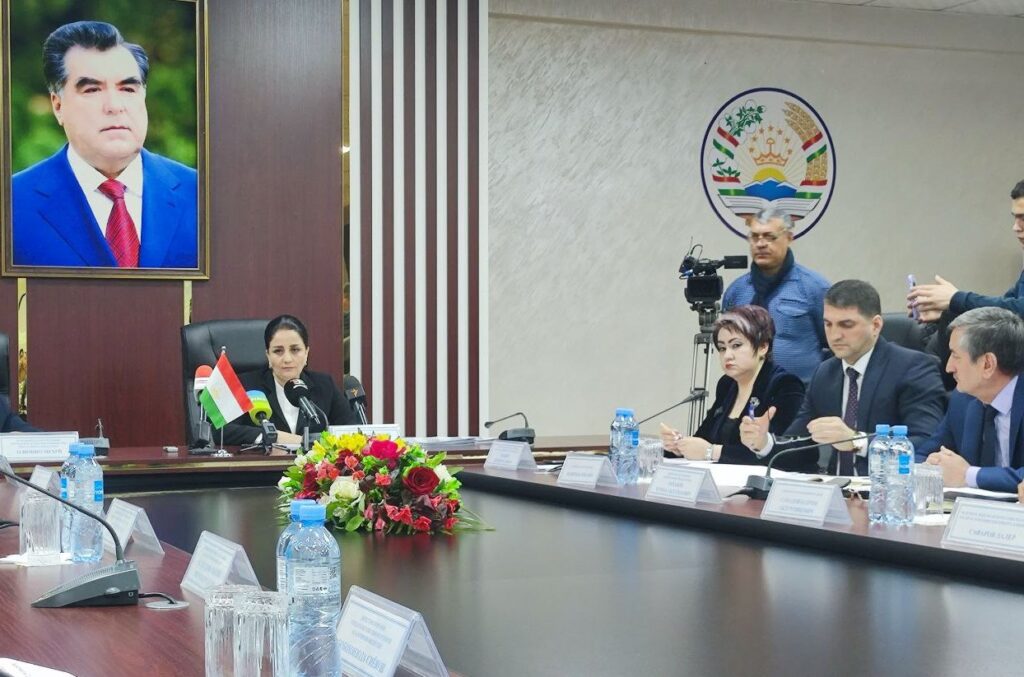
The Minister of Labor, Migration and Employment of Tajikistan, Solekha Kholmakhmadzoda, said that the purpose of the innovations is to protect the interests of Tajik migrants.
“The protocol allows citizens to undergo most of the necessary procedures, such as obtaining a medical certificate, submitting fingerprints, passing an exam on knowledge of the Russian language, history and legislation of Russia, even before leaving – within the country,” she noted in her speech to deputies on April 8.
Are there any downsides?
Yes, and it’s worth talking about them too. Organized recruitment of migrants, on the one hand, will allow the authorities to better control the process. But on the other hand, it can lead to a labor shortage.
Small businesses are most worried about this. According to RBCexperts believe that one of the disadvantages of the organized recruitment of migrants is that small companies cannot participate in this system – it will be difficult for them to work under such a scheme, because it requires extra money, documents and strict rules. To hire a migrant through organizational recruitment, the employer needs to get into a special register in advance, issue an identification card and regularly renew the account. All this is paid – both for the employer and for the employee himself.
For a large company, such expenses and registration are usually feasible, but for a small business it is already a noticeable burden. Moreover, for small companies, individual entrepreneurs and private customers, the need for workers often changes: today a person is needed, tomorrow he is not, or he is needed for another job. And in the organizational recruitment system, a migrant is actually assigned to a specific employer and specific conditions of employment, so it is difficult to quickly adjust.
Therefore, for small businesses, such a model may not be applicable in practice, and because of this, they may lack employees.
In addition, organized recruitment may cause mistrust among migrants themselves.
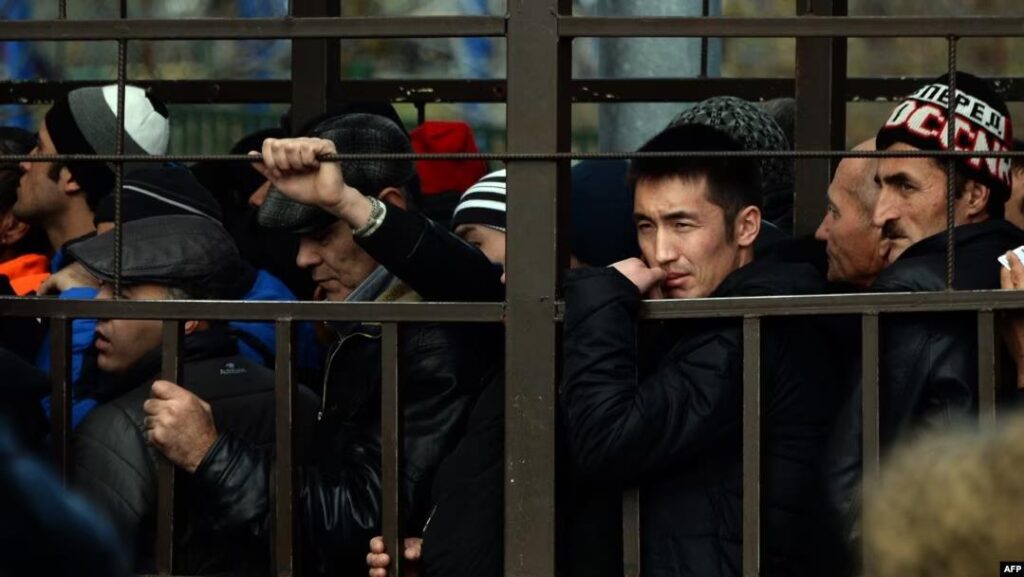
For example, they may prefer informal employment channels due to distrust of rigid bureaucratic procedures and fears of dependence on the employer.
In the end, any centralized system is not only order, but also additional bureaucracy. Whether this will benefit Tajik migrants or, conversely, cause additional headaches, depends on the success of the implementation of this decision.