When talking about electric vehicles, it is impossible not to think about tesla. The brand founded by Elon Musk transformed the industry by demonstrating that an electric car could be desirable, technological and viable for daily use. However, its strategy and that of all electric vehicles was always focused on having high levels of technology and prices that, in many markets, continue to be difficult to achieve for a large part of the population.
Under a completely different logic, it was born Oliniathe electric mobility project promoted by the Government of Mexico. While Tesla opted to electrify premium segments and then expand its reach, Olinia seeks to start from the opposite extreme: small, urban and low-cost vehicles designed for everyday trips.
Read also How do parking meters work in CDMX?
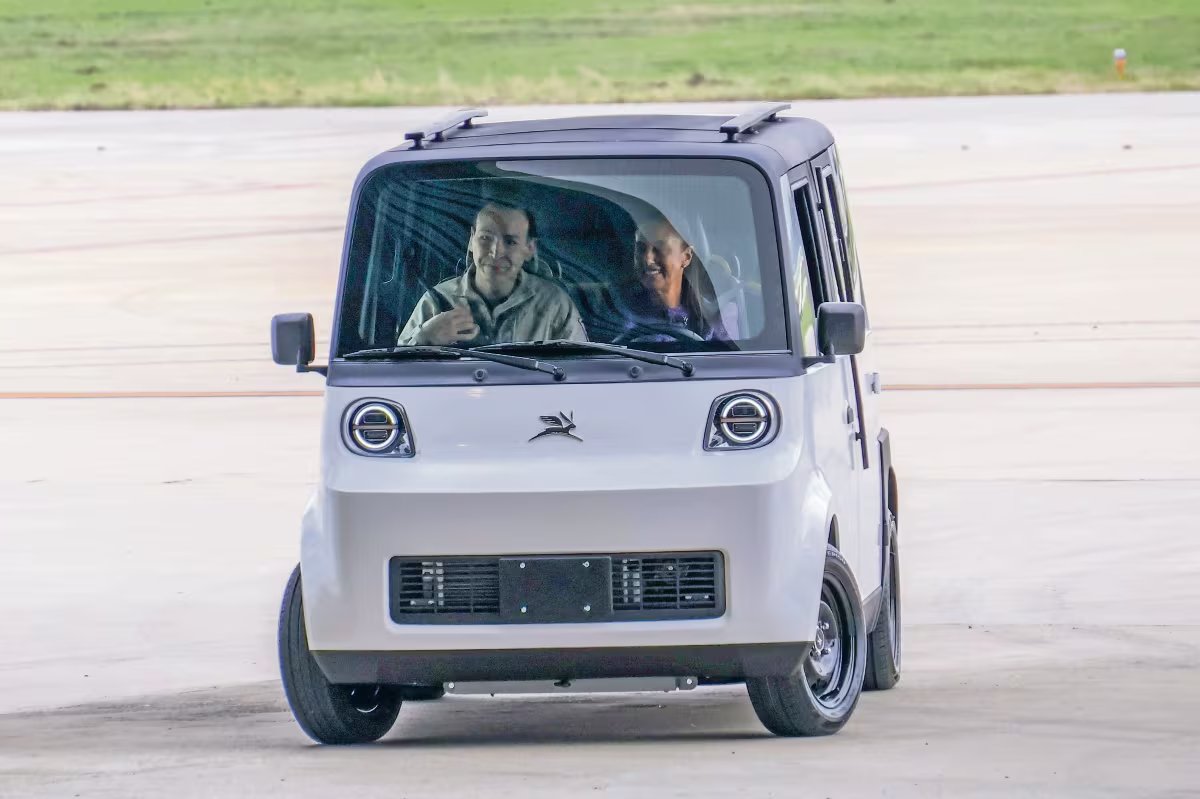
Olinia is a new Mexican brand of electric vehicles developed with the support of public institutions such as the National Polytechnic Institute and the National Technological Institute of Mexico. The name comes from Nahuatl and means “movement.”

President Claudia Sheinbaum presented this Sunday, June 7, 2026, the first prototype of Olinia. Photo: Karla Guerrero/ EL UNIVERSAL
The proposal contemplates 3 types of electric vehicles, all designed to solve everyday urban mobility needs:
- Personal mobility: focused on users who currently use motorcycles as their main means of transportation.
- Neighborhood mobility: Designed as a more efficient alternative to local taxis, motorcycle taxis and short-distance transportation.
- Last mile deliveries: oriented to urban distribution and the transfer of goods on short journeys within cities.
These models would share components, structure and production systems, allowing manufacturing costs to be reduced and resources to be optimized. It is a strategy that international manufacturers have been using for years, but now applied to a project developed in Mexico.

Photo: Government of Mexico
According to the developers, the vehicle was designed for urban and short-distance trips, with a maximum speed of 50 kilometers per hour and a range of more than 125 kilometers per charge.
Due to its dominance, it is considered not a car, but its segment positions it as a “grid” that will have a 13.5 kilowatt electric motor that prioritizes strength to face slopes and road conditions. mexican cities. In addition, both the motor and the battery have protection against water and occasional flooding.

Photo: Government of Mexico
Likewise, they announced that, in coordination with the Federal Electricity Commissionthey are working on a plan to install tens of thousands of charging points in the country by 2030. As a first stage, the placement of 2 thousand stations is planned in the State of Mexico, Mexico City and Puebla.
So far the first Olinia 3 has been presented, however this one already has a price and will start from 150 thousand pesos.
Read also Pase and Ángeles Verdes work together to help tourists with an app
Receive Hello Weekend every Friday, our newsletter with the latest in gastronomy, travel, technology, cars, fashion and beauty. Subscribe here: https://www.eluniversal.com.mx/newsletters