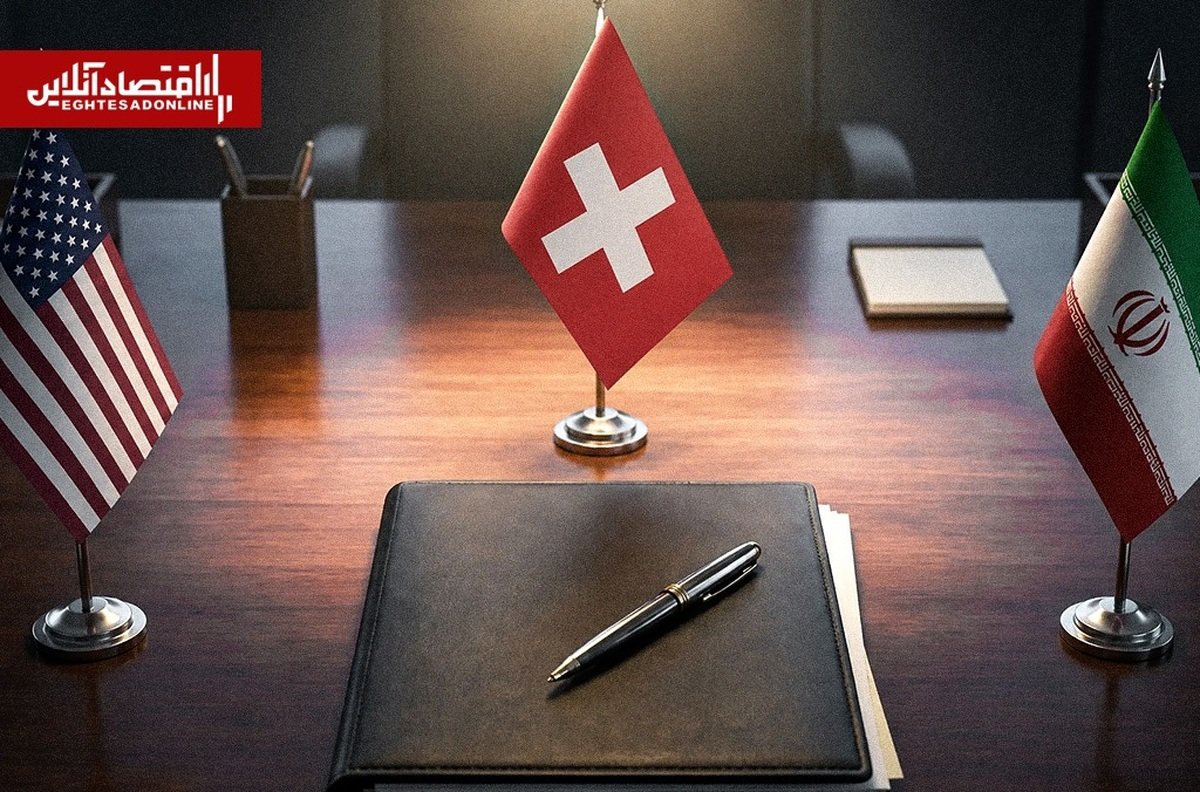
Economy Online, Amir Mohammad Hosseini: The document of understanding to end the war has finally been signed, with last minute changes and of course electronically.
As soon as the agreement was signed, Iran and the United States published its text, and then the White House and Iranian officials considered it to their advantage. But at the same time, on both sides, some groups have criticized it.
According to the texts published by Tehran and Washington, the memorandum includes 14 clauses, which include a ceasefire and the cessation of military operations to the gradual lifting of sanctions, the release of blocked Iranian assets, the reopening of the Strait of Hormuz and the start of nuclear negotiations.
Although the memorandum of understanding is a road map for the main negotiations and the final agreement of Assad, but this document has also had quick economic and political consequences on Iran, America and the world.
A sudden change in the signing ceremony; Why did doctors replace carpet weavers?
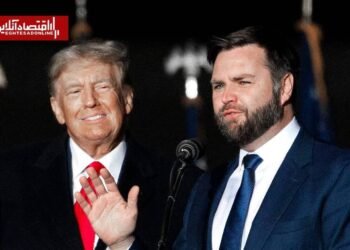
One of the remarkable points in the process of finalizing the memorandum was the sudden change in the mechanism of its signing. Until the last hours of Wednesday, the official narrative was about holding the signing ceremony in Switzerland and the presence of Iran’s Mohammad Baqer Qalibaf and the US Vice President J.D. Evans at the Bergenstock Hotel in Lucerne.
But suddenly the decision was changed and the document was signed electronically by the presidents of the two countries.
But this change is not just a ceremonial shift. Some analysts say that the name of Masoud Mezikian as the main signatory of the agreement can be an attempt to attribute the responsibility of this understanding to the established government. An action that, if the negotiations are successful, will be a political bonus for the government, and in case of failure, it will bring more responsibility to it.
Ayatollah Siddimjatbi Khamenei also emphasized in a message that “Ali al-Assul” had a different opinion, but he agreed with the opinion of the President, who is the head of the Supreme National Security Council.
Before this, some groups had made extensive attacks on understanding.
new memorandum; From the ceasefire to the lifting of sanctions
Unlike many previous agreements between Iran and the United States, which were solely focused on the nuclear issue, the latest memorandum does not include the nuclear issue. In the published text, the end of military operations, the reopening of shipping routes in the Persian Gulf and the Strait of Hormuz, the release of Iranian assets, the issuance of the necessary licenses for oil exports, and the beginning of the process of lifting sanctions are placed next to the nuclear issue.
Also, America has committed to follow the path of canceling primary and secondary sanctions and facilitate Iran’s access to blocked financial resources within the framework of the final agreement. On the other hand, Iran has pledged to maintain the status quo of the nuclear program until the end of the negotiations and enter into a dialogue on the issue of enriched materials and the future of the nuclear program.
Similarities and differences with JCPOA
With the signing of the understanding, the market comparing it with the nuclear agreement (JCPOA) has also heated up. Both agreements were formed with the aim of reducing tension, lifting sanctions and resolving the nuclear case, and in both cases, the principle of “commitment against commitment” was the focus of the negotiations.
However, there are also important differences. First, the JCPOA came out of a long process of multilateral negotiations between Iran and six world powers, but the new memorandum is mainly bilateral in nature and was arranged directly between Tehran and Washington.
Second, in the JCPOA, the main focus was on nuclear restrictions and monitoring mechanisms, but in the current understanding, security, maritime, economic issues and even the reconstruction of war damage have also been included in the text.
The third difference comes back to the experience of the US withdrawal from the JCPOA. The Iranian authorities have openly stated that the memory of past lapses was taken into account in the drafting of this document, and for this reason, efforts were made to include more monitoring mechanisms and guarantees in the text. However, it is not yet clear how effective these guarantees will be against future political changes in America.
However, the opponents of the understanding compare it with the JCPOA and claim that it is just as damaging. But paradoxically, in the United States as well, the opponents of the understanding compare it with the JCPOA and claim that Obama’s nuclear agreement took more concessions from the Islamic Republic of Iran without war.
Swiss negotiations; The beginning of the season is more difficult
While the signing of the MoU has had many positive consequences, it seems that the more difficult phase has just begun.
It has been said that the first round of official negotiations between Iran and the United States, with the mediation of Qatar and Pakistan, will be held in Switzerland on Friday. The main focus of the negotiations will be the nuclear case and how to implement the obligations of both sides.
But this news also has many ambiguities, and there have even been reports of the cancellation of the Iranian delegation’s trip due to Israel’s continued attacks on Lebanon.
Although Iranian officials have emphasized that missile issues are not on the agenda of these negotiations, and the transfer of enriched uranium reserves abroad has not been accepted, there are still many sensitive and controversial issues. The way to remove sanctions, the timing of the implementation of commitments, the fate of nuclear stocks and the verification mechanism are among the issues that can complicate the path of negotiations.
Economic and regional consequences
The gradual reopening of the Strait of Hormuz and the reduction of military tensions will be the first tangible result of this understanding. This issue can lead to reducing the risk in the energy market and facilitating the export of Iranian oil. Also, the release of blocked assets and the reduction of financial restrictions, if realized, will provide opportunities for Iran’s economy.
At the regional level, the end of conflicts and the beginning of political dialogues can reduce the intensity of security tensions. However, the stability of this situation will depend on the extent of adherence of the parties to the commitments and the reaction of regional actors.
what will happen
The new memorandum between Iran and the United States cannot be considered a final historical agreement, but rather it should be described as a bridge between war and negotiation. A document that has managed to bring the two sides back to the negotiating table from the field of direct confrontation, but there is still a long way to reach a final agreement to fundamentally resolve the differences.
As the JCPOA experience showed, the most difficult part of any agreement is not signing it, but its sustainable implementation and maintaining it against political developments. Now, the fate of this understanding will depend more than anything on the results of the upcoming negotiations in Switzerland and the level of political will of Tehran and Washington to overcome the four-decade crisis between the two countries.