The end of the universe may come sooner than thought
mystery

Express newspaper
29/04/2026 21:50
Scientists have made a shocking new prediction about the fate of the universe, suggesting it could end much sooner than previously thought.
Until now, the most widely held theory was that of “heat death,” according to which the universe would expand infinitely until everything gradually cooled and disappeared. But researchers from the Donostia International Physics Center propose another scenario: a dramatic end called the “Big Crunch.”
According to their simulations, the universe will end about 33.3 billion years after the Big Bang. Given that it is currently about 13.8 billion years old, this means that there are less than 20 billion years left until its end.
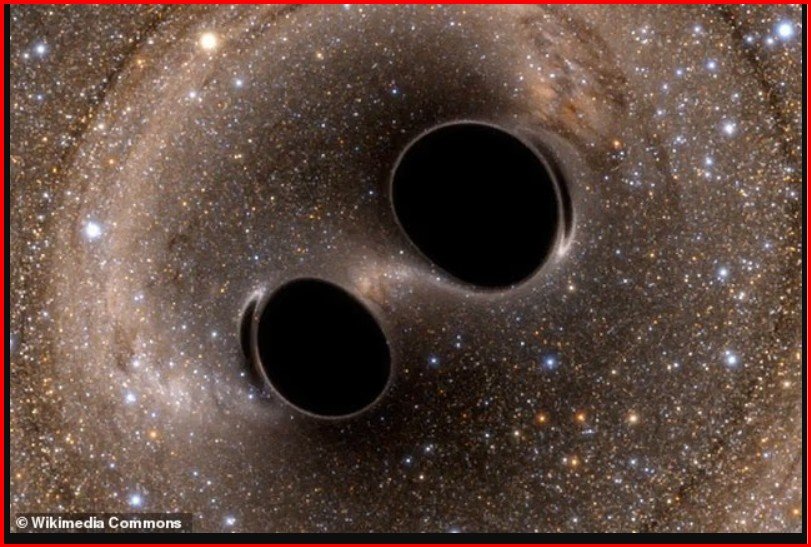
In this scenario, the current expansion of the universe would stop and reverse into contraction. Galaxies, stars, and planets would begin to converge towards a single point, collapsing and being sucked into black holes. Eventually, everything would end up in a singularity—a state similar to that before the Big Bang.
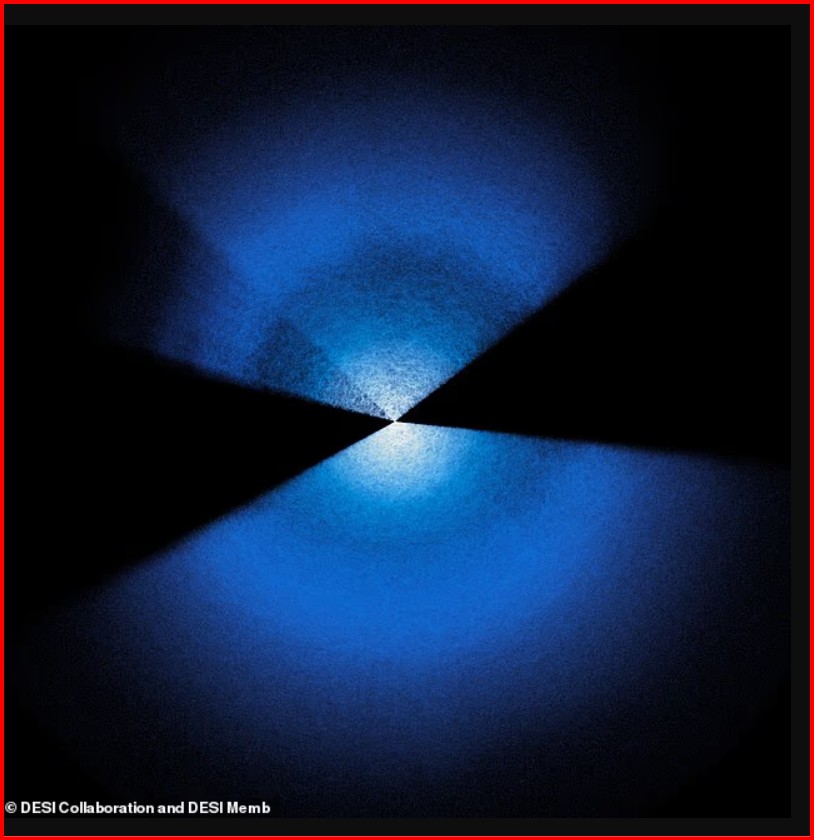
This major change in predictions is related to a new understanding of “dark energy,” the mysterious force that drives the universe to expand. Until recently, it was thought to be constant, but new data from the DESI project suggests that dark energy may change over time.
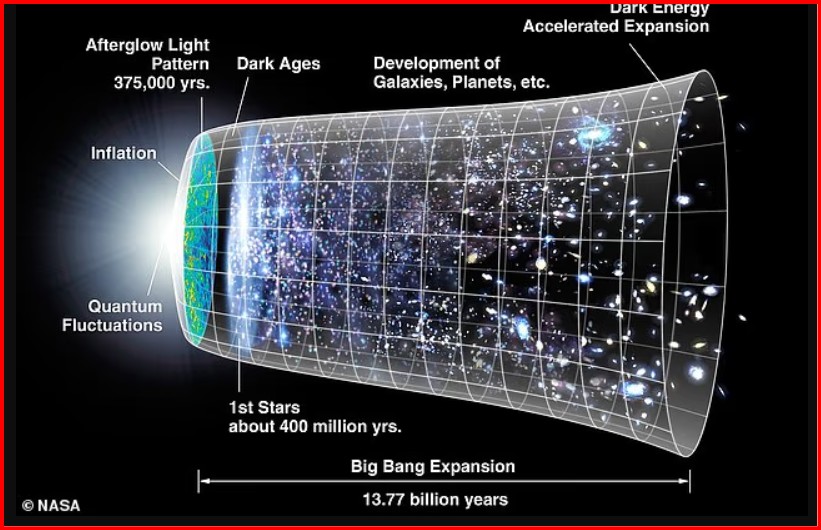
If this is true, the expansion of the universe could slow down and even reverse, leading to its eventual collapse. According to the new model, the interaction between dark energy and the fabric of space-time will push the universe towards this dramatic end.
However, scientists emphasize that these are still predictions that require verification. The data is new and further studies will be needed to confirm whether this scenario is correct.
Although the end of the universe remains uncertain, one thing is clear: the universe may not end silently, but in a spectacular collapse that returns everything to the starting point. /GazetaExpress/