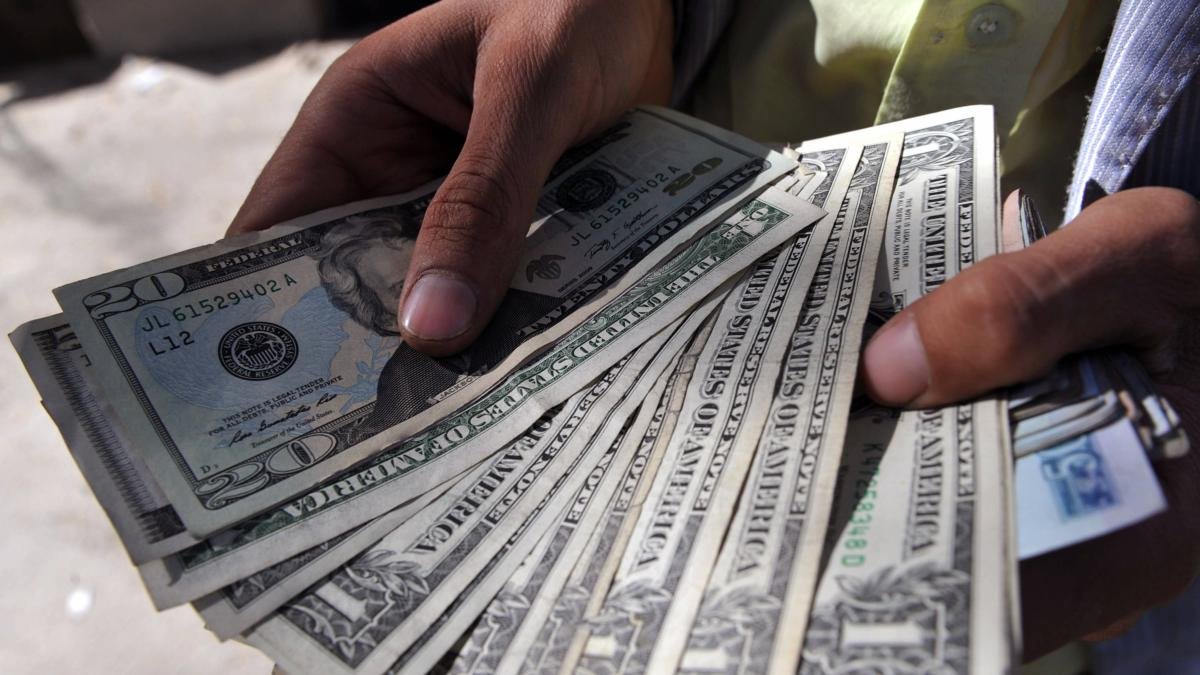
The dollar deepened its fall in the Colombian exchange market this Tuesday, since during the second business day of the week it was traded at an intraday minimum of 3,182.10 pesos, while the Representative Market Rate (TRM) for this July 29 was located at 3,205.87 pesos, levels that had not been observed for more than seven years.
Behind this strength of the Colombian peso, however, a little-discussed factor is beginning to gain strength and that is that, in addition to remittances, investment capital and the interest rate differential, Part of the dollars that enter the country from illicit economies would also be contributing to the revaluation of the currency, as César Ferrari, Financial Superintendent, warned during his speech at the 25th Pan American ML/FT/FPADM Risk Congress, held by Asobancaria in Cartagena.
READ ALSO
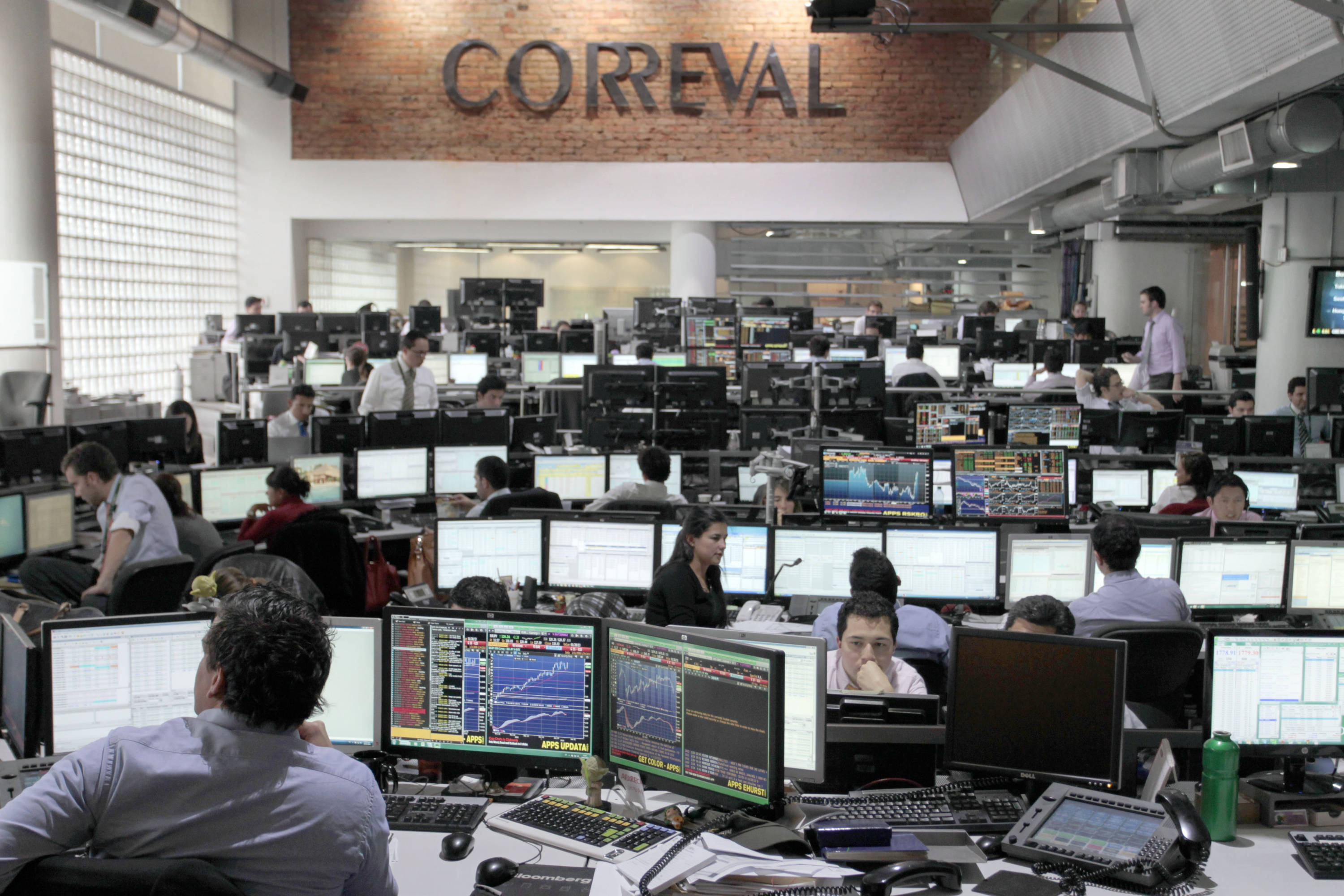
So far this year, the Colombian peso has strengthened nearly 14.8 percent against the US currency and today it is the second most revalued currency in the world. Although this behavior has been attributed mainly to the inflow of capital, remittances and the attractiveness of high interest rates for portfolio investors, Ferrari drew attention to a component that, in his opinion, is also part of the explanation of the phenomenon and that until now had remained practically outside the public discussion.
The official explained that legal flows continue to be the most important in the supply of dollars that the country receives, but maintained that resources from illicit economies also increase the availability of foreign currency and favor the appreciation of the peso.. “Legal flows are the most important, but illegal flows contribute to this situation,” he stated during his speech.
To support this statement, he presented estimates according to which, in 2022, exports associated with illicit economies generated between 15,000 million and 16,000 million dollars, while the outflows for the purchase of inputs used in these activities amounted to nearly 375 million. In the opinion of the Superintendent, this difference reflects that these resources also end up increasing the supply of dollars circulating in the Colombian economy.
Ferrari’s statements opened a discussion that transcends the daily behavior of the dollar and focuses on the consequences that a prolonged revaluation can have on the economy. This concern has also been raised by the co-director of the Board of Directors of the Bank of the Republic, César Giraldo, who considers that the main economic risk that the country faces today is, precisely, the strength of the Colombian peso.
The Superfinanciero also put on the table a component that is rarely part of the public discussion about the Colombian exchange market and that is the impact that the illicit economies themselves have on the supply of foreign currency and the price of the US currency in the economy.
The statement becomes relevant because, in addition, it comes from the financial superintendent, one of the main members of the economic team of the Government of President Gustavo Petro. and responsible for oversight of the financial system.
READ ALSO
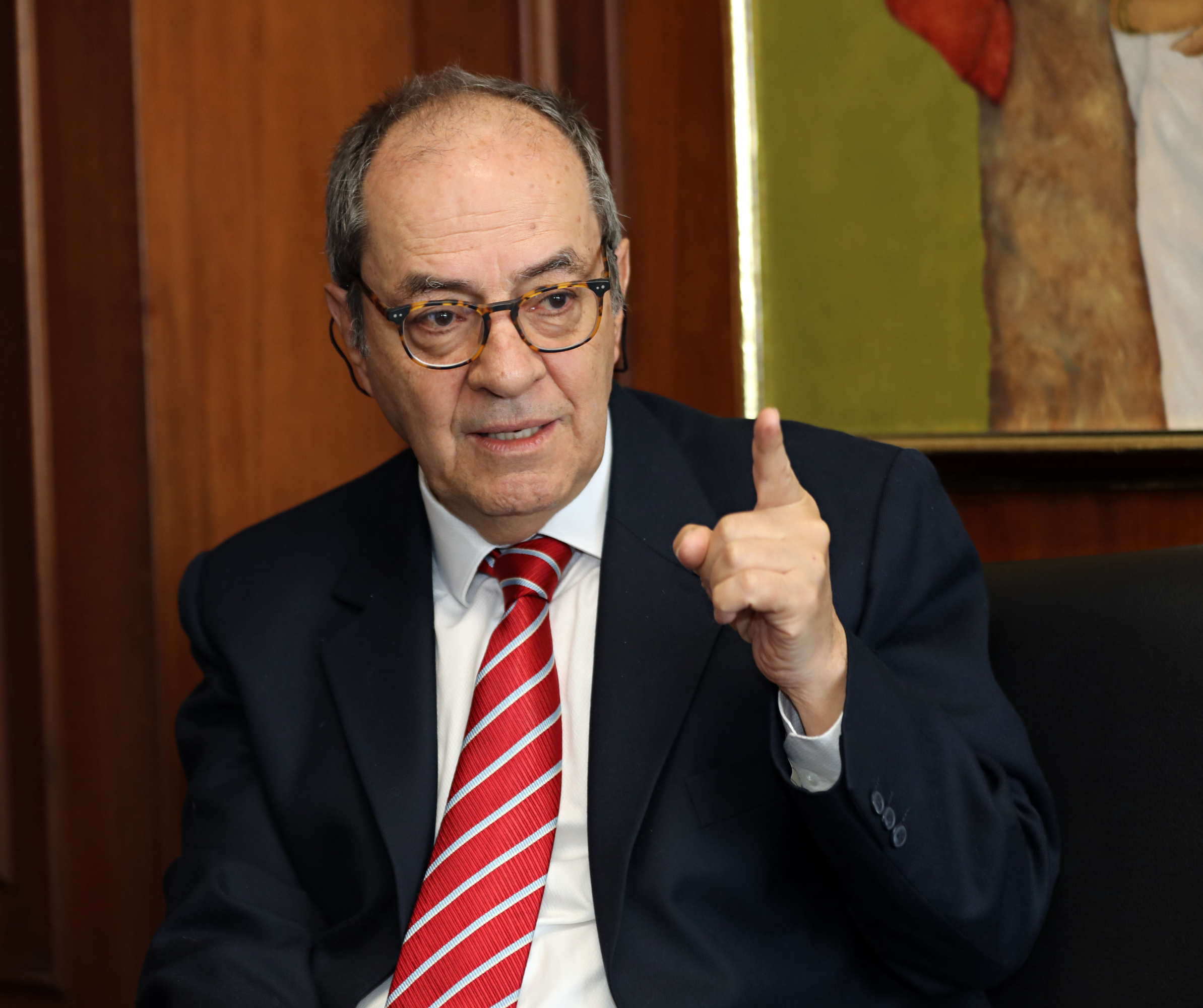
Although different academic sectors and some studies had warned about this phenomenon in the past, rarely had a senior official of the current Government publicly acknowledged that these flows are also part of the factors that help explain the recent revaluation of the Colombian peso.
Ferrari added that the high level of labor informality and the extensive use of cash continue to represent obstacles to accurately establishing the magnitude of these resources within the formal economy, which reinforces the need to strengthen traceability and financial control mechanisms.
The other side of heavy weight
Although a cheap dollar reduces the cost of imports and benefits those who travel abroad or buy products priced in that currency, the other side of the revaluation is beginning to be felt in companies that depend on international sales.
A recent analysis by the economic studies center Anif warns that the Colombian peso accumulates an appreciation well above that of its main regional peers, a situation that has significantly reduced the income in pesos that exporting companies receive for their sales abroad.
It also points out that the sectors most exposed to this phenomenon are those whose production depends almost exclusively on international markets. These include floriculture, where between 88 and 95 percent of the production is exported, coffee, with a share of close to 88 percent, and bananas, with close to 66 percent. For these activities, an increasingly cheaper dollar means less income in local currency to cover costs, invest or maintain their productive capacity.
Anif adds that the challenge is even greater because the exchange rate appreciation coincides with an increase in labor costs and with new obstacles to foreign trade, such as the recent tariffs announced by the United States for some Colombian products. That combination, the thinking center warns, It reduces the room for maneuver of exporting companies and could end up affecting formal employment and investment.
READ ALSO
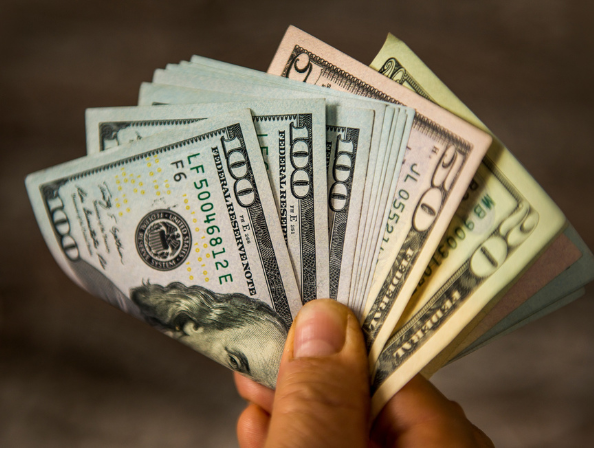
Concern about a prolonged revaluation of the peso has also been raised by the co-director of the Board of Directors of the Bank of the Republic, César Giraldo. In a recent interview with EL TIEMPO, the economist assured that today the main risk for the Colombian economy is precisely the strength of the currency, considering that it is reducing the competitiveness of exporters, manufactures and services, while making imports that compete with national production cheaper.
Giraldo also warned that behind the abundance of dollars there are different factors that must be analyzed together. Among them he mentioned capital flows, but He also drew attention to the need to better understand the origin of part of the foreign currency that enters the country, an aspect that connects with the discussion raised by Ferrari about the importance of strengthening the traceability of the resources that circulate in the economy.