Wednesday, July 29, 2026
    The GeoStrategic Consensus
    No Result
    View All Result
    • Login
    • HOME
    • AMERICAS
      • Argentina
      • Brazil
      • Canada
      • Chile
      • Colombia
      • Costa Rica
      • Cuba
      • Dominican Republic
      • Ecuador
      • El Salvador
      • Greenland
      • Guatemala
      • Honduras
      • Mexico
      • Nicaragua
      • Panama
      • Paraguay
      • Peru
      • United States
      • Uruguay
      • Venezuela
    • ASIA-PACIFIC
      • Australia
      • Brunei Darussalam
      • Cambodia
      • China
      • Federated States of Micronesia
      • Fiji
      • Indonesia
      • Japan
      • Kiribati
      • Laos
      • Malaysia
      • Marshall Islands
      • Mongolia
      • Myanmar
      • Nauru
      • New Zealand
      • North Korea
      • Palau
      • Papua New Guinea
      • Philippines
      • Samoa
      • Singapore
      • Solomon Islands
      • South Korea
      • Taiwan
      • Thailand
      • Timor-Leste
      • Tonga
      • Tuvalu
      • Vanuatu
      • Vietnam
    • CARICOM
      • CARICOM – Non-English
        • Haiti
        • Suriname
      • CARICOM Associates
        • Anguilla
        • Bermuda
        • British-Virgin-Islands
        • Cayman-Islands
        • Curacao
        • Turks-and-Caicos
      • CARICOM English
        • Antigua and Barbuda
        • Barbados
        • Belize
        • Dominica
        • Grenada
        • Guyana
        • Jamaica
        • Montserrat
        • Saint Kitts and Nevis
        • Saint Lucia
        • Saint Vincent and the Grenadines
        • The Bahamas
        • Trinidad and Tobago
    • EURASIA
      • Armenia
      • Azerbaijan
      • Balarus
      • Georgia
      • Kazakhstan
      • Kyrgyzstan
      • Moldova
      • Russia
      • Tajikistan
      • Turkmenistan
      • Ukraine
      • Uzbekistan
    • EUROPE
      • Albania
      • Andorra
      • Austria
      • Bosnia and Herzegovina
      • Bulgaria
      • Croatia
      • Cyprus
      • Czech Republic
      • Denmark
      • Estonia
      • Finland
      • France
      • Germany
      • Greece
      • Holy See
      • Hungary
      • Iceland
      • Ireland
      • Italy
      • Kosovo
      • Latvia
      • Liechtenstein
      • Lithuania
      • Luxembourg
      • Malta
      • Monaco
      • Montenegro
      • Netherlands
      • North Macedonia
      • Norway
      • Poland
      • Portugal
      • Romania
      • San Marino
      • Serbia
      • Slovakia
      • Slovenia
      • Spain
      • Sweden
      • Switzerland
      • United Kingdom
    • MIDDLE EAST AND NORTH AFRICA
      • Algeria
      • Bahrain
      • Egypt
      • Iran
      • Iraq
      • Israel
      • Jordan
      • Kuwait
      • Lebanon
      • Lybia
      • Morocco
      • Oman
      • Palestinian Territories
      • Qatar
      • Saudi Arabia
      • Syria
      • Tunisia
      • Turkey
      • United Arab Emirates
      • Western Sahara
      • Yemen
    • SOUTH ASIA
      • Afghanistan
      • Bangladesh
      • Bhutan
      • India
      • Maldives
      • Nepal
      • Pakistan
      • Sri Lanka
    • SUB-SAHARAN AFRICA
      • Angola
      • Benin
      • Botswana
      • Burkina Faso
      • Burundi
      • Cabo Verde
      • Cameroon
      • Central African Republic
      • Chad
      • Comoros
      • Cote d’Ivoire
      • Democratic Republic of the Congo
      • Djibouti
      • Equatorial Guinea
      • Eritrea
      • Eswatini
      • Ethiopia
      • Gabon
      • Gambia
      • Ghana
      • Guinea
      • Guinea Bissau
      • Kenya
      • Lesotho
      • Liberia
      • Madagascar
      • Malawi
      • Mali
      • Mauritania
      • Mauritius
      • Mozambique
      • Namibia
      • Niger
      • Nigeria
      • Republic of the Congo
      • Rwanda
      • Sao Tome and Principe
      • Senegal
      • Seychelles
      • Sierra Leone
      • Somalia
      • South Africa
      • South Sudan
      • Sudan
      • Tanzania
      • Togo
      • Uganda
      • Zambia
      • Zimbabwe
    • HOME
    • AMERICAS
      • Argentina
      • Brazil
      • Canada
      • Chile
      • Colombia
      • Costa Rica
      • Cuba
      • Dominican Republic
      • Ecuador
      • El Salvador
      • Greenland
      • Guatemala
      • Honduras
      • Mexico
      • Nicaragua
      • Panama
      • Paraguay
      • Peru
      • United States
      • Uruguay
      • Venezuela
    • ASIA-PACIFIC
      • Australia
      • Brunei Darussalam
      • Cambodia
      • China
      • Federated States of Micronesia
      • Fiji
      • Indonesia
      • Japan
      • Kiribati
      • Laos
      • Malaysia
      • Marshall Islands
      • Mongolia
      • Myanmar
      • Nauru
      • New Zealand
      • North Korea
      • Palau
      • Papua New Guinea
      • Philippines
      • Samoa
      • Singapore
      • Solomon Islands
      • South Korea
      • Taiwan
      • Thailand
      • Timor-Leste
      • Tonga
      • Tuvalu
      • Vanuatu
      • Vietnam
    • CARICOM
      • CARICOM – Non-English
        • Haiti
        • Suriname
      • CARICOM Associates
        • Anguilla
        • Bermuda
        • British-Virgin-Islands
        • Cayman-Islands
        • Curacao
        • Turks-and-Caicos
      • CARICOM English
        • Antigua and Barbuda
        • Barbados
        • Belize
        • Dominica
        • Grenada
        • Guyana
        • Jamaica
        • Montserrat
        • Saint Kitts and Nevis
        • Saint Lucia
        • Saint Vincent and the Grenadines
        • The Bahamas
        • Trinidad and Tobago
    • EURASIA
      • Armenia
      • Azerbaijan
      • Balarus
      • Georgia
      • Kazakhstan
      • Kyrgyzstan
      • Moldova
      • Russia
      • Tajikistan
      • Turkmenistan
      • Ukraine
      • Uzbekistan
    • EUROPE
      • Albania
      • Andorra
      • Austria
      • Bosnia and Herzegovina
      • Bulgaria
      • Croatia
      • Cyprus
      • Czech Republic
      • Denmark
      • Estonia
      • Finland
      • France
      • Germany
      • Greece
      • Holy See
      • Hungary
      • Iceland
      • Ireland
      • Italy
      • Kosovo
      • Latvia
      • Liechtenstein
      • Lithuania
      • Luxembourg
      • Malta
      • Monaco
      • Montenegro
      • Netherlands
      • North Macedonia
      • Norway
      • Poland
      • Portugal
      • Romania
      • San Marino
      • Serbia
      • Slovakia
      • Slovenia
      • Spain
      • Sweden
      • Switzerland
      • United Kingdom
    • MIDDLE EAST AND NORTH AFRICA
      • Algeria
      • Bahrain
      • Egypt
      • Iran
      • Iraq
      • Israel
      • Jordan
      • Kuwait
      • Lebanon
      • Lybia
      • Morocco
      • Oman
      • Palestinian Territories
      • Qatar
      • Saudi Arabia
      • Syria
      • Tunisia
      • Turkey
      • United Arab Emirates
      • Western Sahara
      • Yemen
    • SOUTH ASIA
      • Afghanistan
      • Bangladesh
      • Bhutan
      • India
      • Maldives
      • Nepal
      • Pakistan
      • Sri Lanka
    • SUB-SAHARAN AFRICA
      • Angola
      • Benin
      • Botswana
      • Burkina Faso
      • Burundi
      • Cabo Verde
      • Cameroon
      • Central African Republic
      • Chad
      • Comoros
      • Cote d’Ivoire
      • Democratic Republic of the Congo
      • Djibouti
      • Equatorial Guinea
      • Eritrea
      • Eswatini
      • Ethiopia
      • Gabon
      • Gambia
      • Ghana
      • Guinea
      • Guinea Bissau
      • Kenya
      • Lesotho
      • Liberia
      • Madagascar
      • Malawi
      • Mali
      • Mauritania
      • Mauritius
      • Mozambique
      • Namibia
      • Niger
      • Nigeria
      • Republic of the Congo
      • Rwanda
      • Sao Tome and Principe
      • Senegal
      • Seychelles
      • Sierra Leone
      • Somalia
      • South Africa
      • South Sudan
      • Sudan
      • Tanzania
      • Togo
      • Uganda
      • Zambia
      • Zimbabwe
    No Result
    View All Result
    Agentially
    No Result
    View All Result
    Home AMERICAS Colombia

    Attention: Public schools in Bogotá will have restrictions on the use of cell phones; the proposal limits cell phones during the entire school day

    The Analyst by The Analyst
    July 29, 2026
    in Colombia
    Attention: Public schools in Bogotá will have restrictions on the use of cell phones; the proposal limits cell phones during the entire school day


    The students of the 412 public schools in Bogotá they will have rstrict restrictions on cell phone use. The measure It will not only be during classesbut also on breaksand will include all educational levels.

    This was anticipated by the District Secretary of Education, Julia Rubiano, in an interview with EL TIEMPO. The official also analyzes the decree 0769 of the Ministry of Education that seeks to build healthy and safe digital environmentsand that establishes responsibilities of digital platforms, educational institutions, families and public entities to prevent online violence and protect the privacy of girls, boys and adolescents.

    READ ALSO
    READ ALSO

    The renowned political consultant captured in Neiva receiving money from alleged extortion from a hotel businessman

    The Prosecutor’s Office explained why it did not charge attempted femicide to the attacker of a woman in a pastry shop in the north of Bogotá: victim requests a change of crime

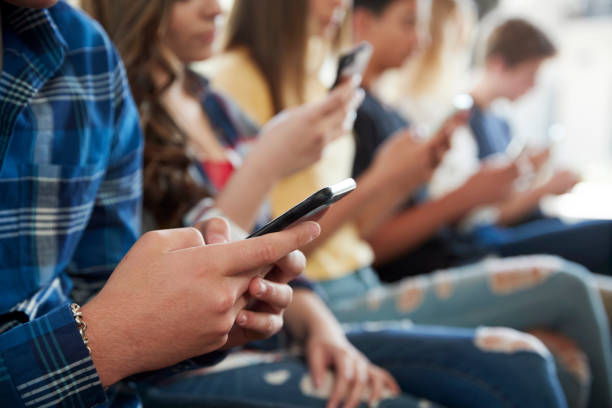
    Has the time come to reevaluate the use of cell phones and social networks in schools?

    Rubiano even makes recommendations to parents that they have controls at home, because the Unlimited access to those devices continues into the night and that affects performance at school and the relationship between students.

    According to a survey carried out on 400 students from five public schools in the city, The young people said they used the cell phone for 6 hours a day and that the longest time was 9 hours a day.

    The social networks concentrated the largest proportion, followed by video games and the services of instant messaging.

    Julia Rubiano, Secretary of Education of Bogotá Photo:Secretary of Education

    The National Government issued the regulations of the law on the use of screens and digital devices in schools. How does Bogotá receive this regulation?

    There are two positive aspects. The first is that the decree explicitly recognizes the risks associated with the use of screens and the need for protect girls, boys and adolescents. It is important that these risks are already part of the regulations.

    The second is the principle of co-responsibility. The decree establishes that not only educational institutions and families have responsibilities, but also the private sector, especially platform developers and content generators. This is aligned with what is happening in other countries, where it has been shown that many social networks incorporate designs with addictive components and that companies must also assume responsibilities.

    That is, the responsibility falls on families, educational institutions and platforms…

    Exactly. For a long time it was thought that it was enough to teach young people to use social networks responsibly. Today we know that The problem is also in the design of the platforms. The infinite displacement of content (scrolling), for example, is part of an architecture designed to maintain the user’s attention. If that is not recognized and regulated, it will be very difficult to move forward.

    READ ALSO
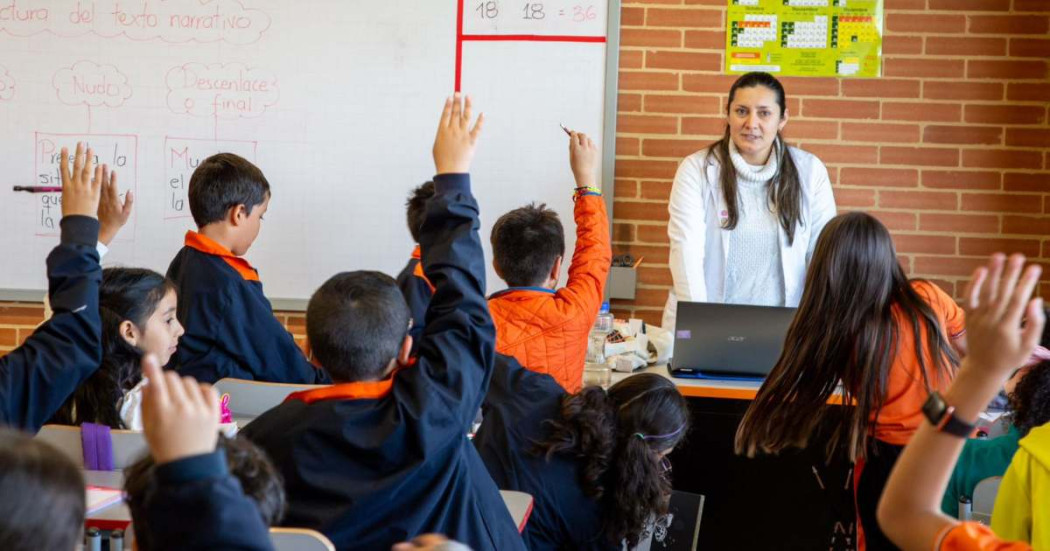
    More than 500 cases of digital violence in public and private schools mainly affect girls and adolescents

    What gaps do you find in the decree?

    The main one is that it proposes voluntary agreements with technological platforms. What we have seen in other countries is that Regulation must be much more specific and strict. For example, we conducted a survey and found that district school students spend, on average, 9 hours a day in front of the cell phone. That is why it would be necessary for the standard to force platform developers to incorporate mechanisms that limit the time of use or automatically suspend the application after a certain period.

    There is also a need for greater precision regarding the age of access to social networks. The decree talks about verifying the age of users, but In other countries, specific limits of 15 or 16 years are already setbecause there is evidence about the greater vulnerability of adolescents during the process of personality development.

    And finally, Schools need specific guidance. It is not enough to ask them to modify their coexistence manuals; They must also be given clear tools to implement these measures.

    Julia Rubiano, Secretary of Education of Bogotá Photo:Secretary of Education

    So, do you think that voluntary agreements with the platforms are not enough?

    Exactly. We must differentiate between use of technology for educational purposes and the access to social networks that generate addictive behaviors. It’s not about demonizing technologybut to specifically regulate what is proven to affect the well-being of young people. For example, mandatory usage time limits and effective age verification systems can be established.

    Why is it not enough to verify the age, as the decree says?

    No. Today a 12-year-old boy simply says he is 18 and accesses the platform. The decree proposes strengthening verification, but does not establish specific minimum ages for him access to social networksas happens in other countries. In addition, more robust verification mechanisms are required, such as facial recognition or other technological systems that prevent this type of impersonation.

    READ ALSO
    Works on the Venice Bridge, in Group 1 of 68th Avenue

    Is Bogotá considering restricting the use of cell phones in public schools?

    Yeah. We are building a proposal to regulate and limit the use of electronic devices in district schools. We are doing it in a participatory way, through District Educational Forum and the forums that take place in educational institutions and in localities. We will present a proposal to the city very soon.

    What would that regulation be like?

    It will be differentiated according to age and educational level. A 5 or 6 year old child is not the same as a teenager. In the early years the exposure to screens should be minimaleven during pedagogical activities. In adolescence there may be access to devices, but always with an educational purpose.

    We are also looking at restrictions during breaks. The experience of several private schools shows that, after an initial period of resistancestudents return to playing, talking and interacting more with each other.

    So wouldn’t the restriction only be during classes?

    No. The proposal includes the entire school day, including breaks. Additionally, we will present recommendations for families regarding the use of devices outside of school.

    What did the survey carried out by the Ministry of Education reveal?

    The survey was carried out last year in a sample of schools in Bogotá. One of the most important findings was that Young people believe that they use cell phones around 6 hours a daybut upon reviewing the actual records we found that amounts to 9 hours a day. We also show that most phone use is concentrated at night, which confirms the need to establish limits both at school and at home. That’s why we talk about co-responsibility.

    In the survey we carried out we found that Night is the time when they use the cell phone the most. This affects rest and quality of sleep. That’s why families should also establish limits and agreements about device use.

    READ ALSO
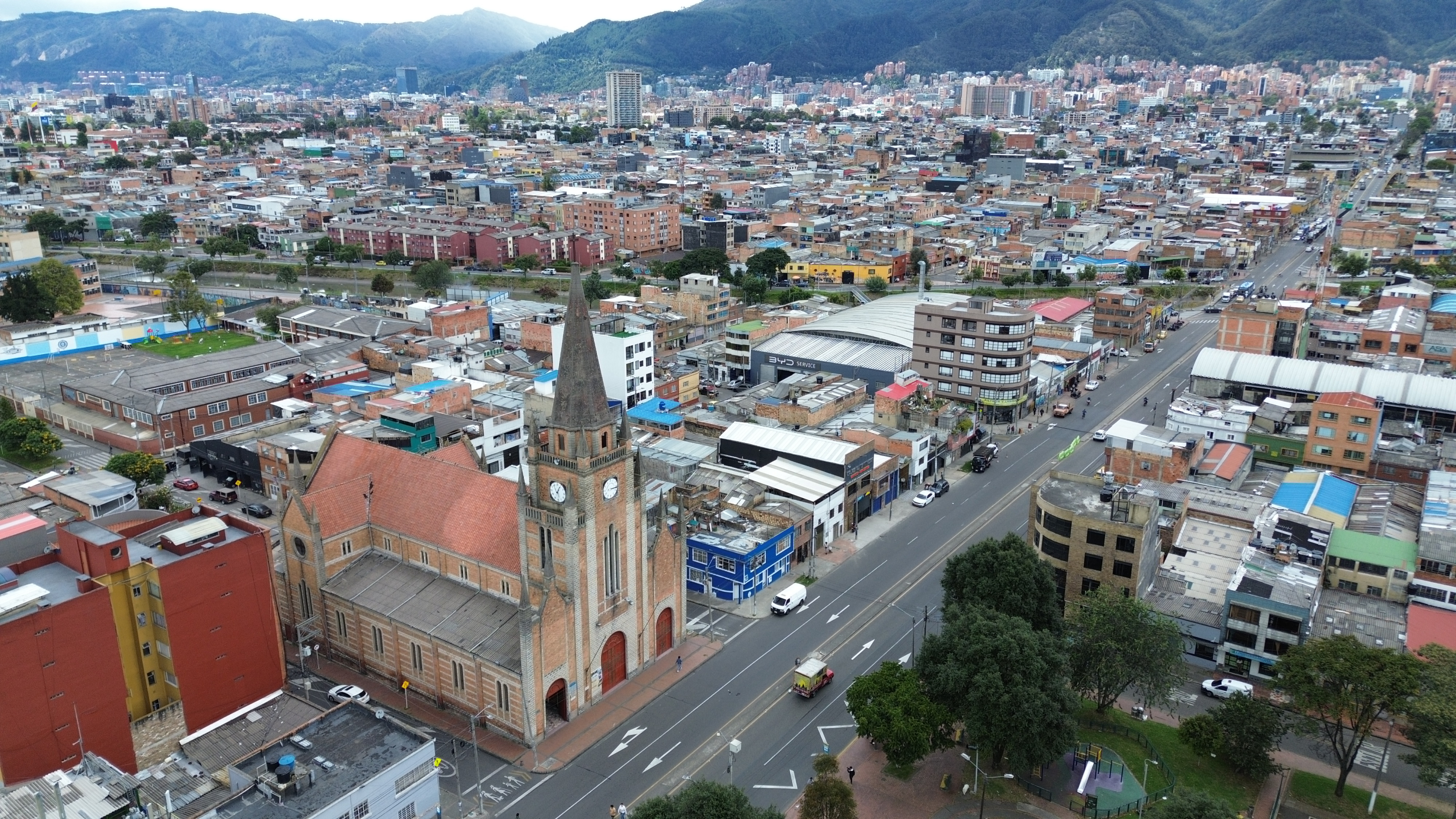
    Calle 72 in Bogotá will be a strategic action

    Why do you consider it important that there be a resolution from the Ministry of Education on this issue?

    Schools have autonomy in pedagogical and curricular aspects, but this It is a concern shared by educational institutions. Having a resolution from the Secretariat provides them with institutional support and clarity to adopt the measures they consider necessary. There are specific doubts that require a legal and pedagogical response.

    For example, if a teacher can ask a student to put away the phone or how to guarantee that rights such as privacy are not violated when applying a measure. The resolution seeks to offer a clear framework of action for schoolsso that they can make decisions always aimed at the well-being of the students.

    How does the use of these devices impact different age groups?

    In the early childhood Fundamental communication skills that must be developed over time may be affected. That’s why the World Health Organization It recommends that before the age of two there is no access to screens and that between three and five years the use be as little as possible, ideally no more than one hour a day.

    In adolescents, the main effects are related to safety and mental health. They are permanently exposed to the validation of their image through social networks, in a key stage for consolidating their self-esteem.

    In learning we observe difficulties maintaining concentration and the care for long periods. This is associated with the constant consumption of short videos in rapid succession. There are also effects on the socialization processes.

    The measure would apply to District schools. Photo:Private file

    What results have private schools that restricted cell phone use observed?

    At the beginning there is usually general discomfort, even a increased anxietybecause students cannot access the phone. However, once the process stabilizes, agreements are reached and young people end up accepting the rules.

    The positive effects are evident. Interaction increases during breaks Interruptions decrease between students and in classes, which favors the learning environment.

    There is also an important lesson from some countries that implemented outright bans: many young people found ways to continue accessing social media through accounts or profiles that did not correspond to their age.

    This shows that restrictions alone are not enough and? It is essential to strengthen the co-responsibility of families and caregivers to supervise their children’s access to digital platforms. In addition, platforms must strengthen their control mechanisms about the age of the users.

    READ ALSO
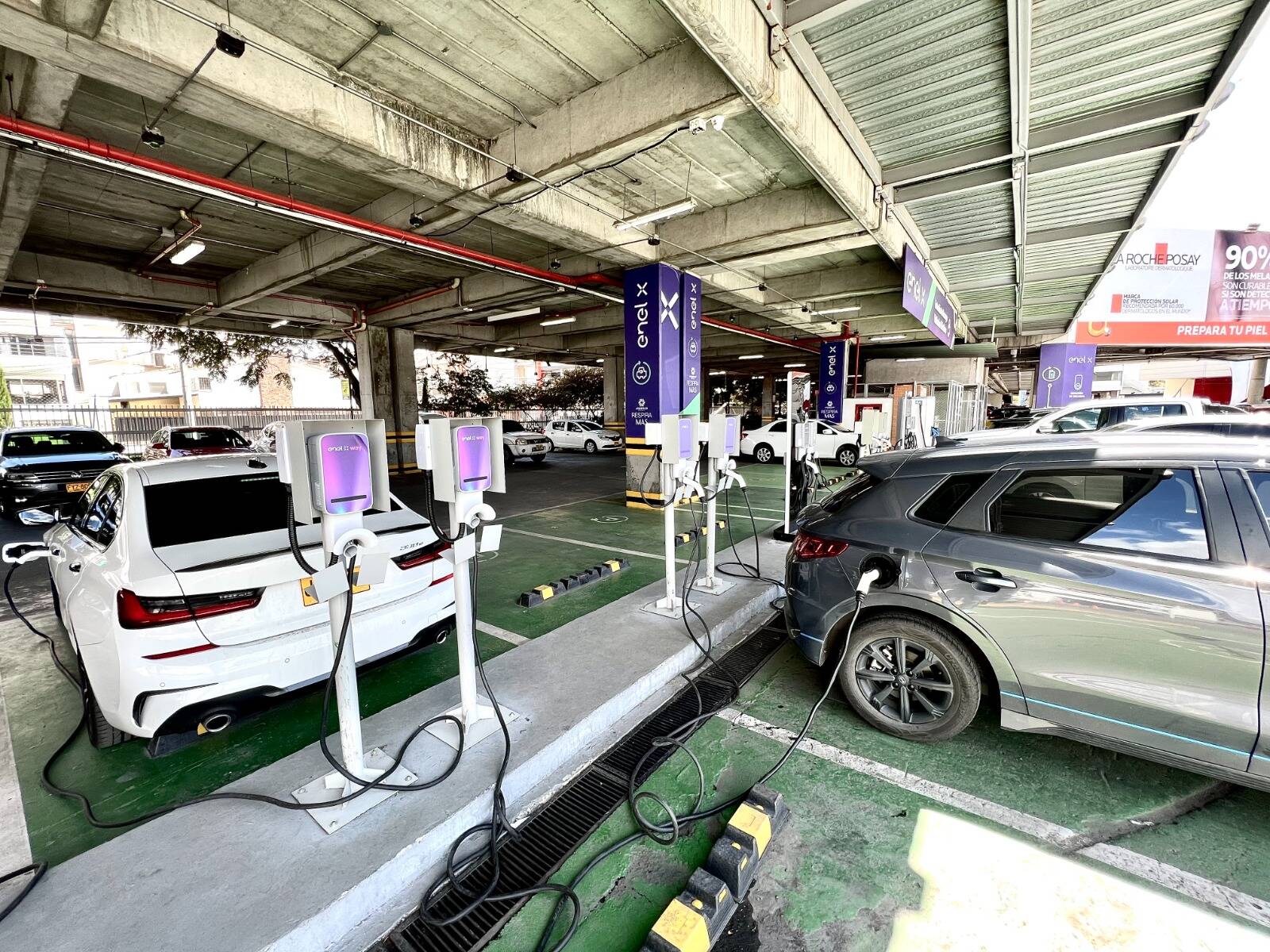
    Electric vehicle charging locations in Medellín

    Many may think that controlling the use of these devices restricts young people’s approach to new technologies?

    This is not about demonizing technology. Students need to develop digital skills. What we seek is to promote limited, responsible, purposeful and accompanied use, both at school and in the family. An absolute ban during the school day would not make sense if students remain connected for several hours after leaving school. One of the most worrying aspects is the use of devices at nightbecause it affects sleep and, consequently, academic performance the next day. The challenge is teaching when to use technologyfor what purpose, under what limits and with what accompaniment.

    What recommendations do you have for parents?

    Promote responsible digital citizenship. It is not about completely banning technologybut to teach a use with limits, accompaniment and purpose. It is important use parental control toolsknow what content children consume and accompany them, especially because cybercrimes have increasedhe harassment and the school bullying in digital environments. We also recommend establishing simple family agreements, such as not using cell phones during meals or stopping their use before bedtime.

    GUILLERMO REINOSO RODRÍGUEZ

    Bogotá Editor

    In X: @guirei24

    More news from Bogotá


    Source link

    Related Posts

    The renowned political consultant captured in Neiva receiving money from alleged extortion from a hotel businessman
    Colombia

    The renowned political consultant captured in Neiva receiving money from alleged extortion from a hotel businessman

    July 29, 2026
    The Prosecutor’s Office explained why it did not charge attempted femicide to the attacker of a woman in a pastry shop in the north of Bogotá: victim requests a change of crime
    Colombia

    The Prosecutor’s Office explained why it did not charge attempted femicide to the attacker of a woman in a pastry shop in the north of Bogotá: victim requests a change of crime

    July 29, 2026
    The companies that sell the most, earn the most, lose the most, the largest and the most profitable in Colombia
    Colombia

    The companies that sell the most, earn the most, lose the most, the largest and the most profitable in Colombia

    July 28, 2026
    ‘It is urgent that presidents De La Espriella and Uribe sit around a paisa tray’: Nancy P. Gutiérrez / Interview by María Isabel Rueda
    Colombia

    ‘It is urgent that presidents De La Espriella and Uribe sit around a paisa tray’: Nancy P. Gutiérrez / Interview by María Isabel Rueda

    July 27, 2026
    Incident reported on park slide on Fusagasugá road
    Colombia

    Incident reported on park slide on Fusagasugá road

    July 27, 2026
    ‘I don’t like what I’m seeing, it’s time to return to the political arena’: Sergio Fajardo / Interview by Mauricio Reina
    Colombia

    ‘I don’t like what I’m seeing, it’s time to return to the political arena’: Sergio Fajardo / Interview by Mauricio Reina

    July 27, 2026
    Next Post
    Marvel SDCC 2026: David Jonsson takes the Black Panther mantle, Ryan Gosling joins the MCU as Ghost Rider

    Marvel SDCC 2026: David Jonsson takes the Black Panther mantle, Ryan Gosling joins the MCU as Ghost Rider

    POPULAR NEWS

    2026 Regional and International Conventions of Jehovah’s Witnesses

    2026 Regional and International Conventions of Jehovah’s Witnesses

    July 7, 2026
    Petkovic leaves “The Greens” with two months’ compensation – Al-Shorouk Online

    Petkovic leaves “The Greens” with two months’ compensation – Al-Shorouk Online

    July 6, 2026
    Løkke is personally disappointed with the United States, which is celebrating its 250th birthday

    Løkke is personally disappointed with the United States, which is celebrating its 250th birthday

    July 9, 2026
    India’s imports from China soar to $80 billion in first half of 2026, exports up 37%

    India’s imports from China soar to $80 billion in first half of 2026, exports up 37%

    July 16, 2026
    Opinion | Parental Consent in the Smartphone Age

    Opinion | Parental Consent in the Smartphone Age

    July 6, 2026

    EDITOR'S PICK

    Going for a Swim, Marshall Island (2026) by Stefan Elliott – For Sale | Artsy

    July 19, 2026

    Horror, unanswered questions and demands for more severity

    July 27, 2026

    Orro, Nauru Weather History | Weather Underground

    July 10, 2026
    Pyithu Hluttaw reviews infrastructure, education and judicial reform in wide-ranging query session

    Pyithu Hluttaw reviews infrastructure, education and judicial reform in wide-ranging query session

    July 9, 2026

    Recent Posts

    • Fear of war’s spread as armed fighters struck in Iraq
    • The capacity building seminar of tourism companies of the western zone has ended
    • Marvel SDCC 2026: David Jonsson takes the Black Panther mantle, Ryan Gosling joins the MCU as Ghost Rider
    • Attention: Public schools in Bogotá will have restrictions on the use of cell phones; the proposal limits cell phones during the entire school day

      © 2026 Agentially - Navigating shifting sovereignties and global risk .

      Welcome Back!

      Login to your account below

      Forgotten Password?

      Retrieve your password

      Please enter your username or email address to reset your password.

      Log In
      No Result
      View All Result
      • HOME
      • AMERICAS
        • Argentina
        • Brazil
        • Canada
        • Chile
        • Colombia
        • Costa Rica
        • Cuba
        • Dominican Republic
        • Ecuador
        • El Salvador
        • Greenland
        • Guatemala
        • Honduras
        • Mexico
        • Nicaragua
        • Panama
        • Paraguay
        • Peru
        • United States
        • Uruguay
        • Venezuela
      • ASIA-PACIFIC
        • Australia
        • Brunei Darussalam
        • Cambodia
        • China
        • Federated States of Micronesia
        • Fiji
        • Indonesia
        • Japan
        • Kiribati
        • Laos
        • Malaysia
        • Marshall Islands
        • Mongolia
        • Myanmar
        • Nauru
        • New Zealand
        • North Korea
        • Palau
        • Papua New Guinea
        • Philippines
        • Samoa
        • Singapore
        • Solomon Islands
        • South Korea
        • Taiwan
        • Thailand
        • Timor-Leste
        • Tonga
        • Tuvalu
        • Vanuatu
        • Vietnam
      • CARICOM
        • CARICOM – Non-English
          • Haiti
          • Suriname
        • CARICOM Associates
          • Anguilla
          • Bermuda
          • British-Virgin-Islands
          • Cayman-Islands
          • Curacao
          • Turks-and-Caicos
        • CARICOM English
          • Antigua and Barbuda
          • Barbados
          • Belize
          • Dominica
          • Grenada
          • Guyana
          • Jamaica
          • Montserrat
          • Saint Kitts and Nevis
          • Saint Lucia
          • Saint Vincent and the Grenadines
          • The Bahamas
          • Trinidad and Tobago
      • EURASIA
        • Armenia
        • Azerbaijan
        • Balarus
        • Georgia
        • Kazakhstan
        • Kyrgyzstan
        • Moldova
        • Russia
        • Tajikistan
        • Turkmenistan
        • Ukraine
        • Uzbekistan
      • EUROPE
        • Albania
        • Andorra
        • Austria
        • Bosnia and Herzegovina
        • Bulgaria
        • Croatia
        • Cyprus
        • Czech Republic
        • Denmark
        • Estonia
        • Finland
        • France
        • Germany
        • Greece
        • Holy See
        • Hungary
        • Iceland
        • Ireland
        • Italy
        • Kosovo
        • Latvia
        • Liechtenstein
        • Lithuania
        • Luxembourg
        • Malta
        • Monaco
        • Montenegro
        • Netherlands
        • North Macedonia
        • Norway
        • Poland
        • Portugal
        • Romania
        • San Marino
        • Serbia
        • Slovakia
        • Slovenia
        • Spain
        • Sweden
        • Switzerland
        • United Kingdom
      • MIDDLE EAST AND NORTH AFRICA
        • Algeria
        • Bahrain
        • Egypt
        • Iran
        • Iraq
        • Israel
        • Jordan
        • Kuwait
        • Lebanon
        • Lybia
        • Morocco
        • Oman
        • Palestinian Territories
        • Qatar
        • Saudi Arabia
        • Syria
        • Tunisia
        • Turkey
        • United Arab Emirates
        • Western Sahara
        • Yemen
      • SOUTH ASIA
        • Afghanistan
        • Bangladesh
        • Bhutan
        • India
        • Maldives
        • Nepal
        • Pakistan
        • Sri Lanka
      • SUB-SAHARAN AFRICA
        • Angola
        • Benin
        • Botswana
        • Burkina Faso
        • Burundi
        • Cabo Verde
        • Cameroon
        • Central African Republic
        • Chad
        • Comoros
        • Cote d’Ivoire
        • Democratic Republic of the Congo
        • Djibouti
        • Equatorial Guinea
        • Eritrea
        • Eswatini
        • Ethiopia
        • Gabon
        • Gambia
        • Ghana
        • Guinea
        • Guinea Bissau
        • Kenya
        • Lesotho
        • Liberia
        • Madagascar
        • Malawi
        • Mali
        • Mauritania
        • Mauritius
        • Mozambique
        • Namibia
        • Niger
        • Nigeria
        • Republic of the Congo
        • Rwanda
        • Sao Tome and Principe
        • Senegal
        • Seychelles
        • Sierra Leone
        • Somalia
        • South Africa
        • South Sudan
        • Sudan
        • Tanzania
        • Togo
        • Uganda
        • Zambia
        • Zimbabwe

      © 2026 Agentially - Navigating shifting sovereignties and global risk .

      This website uses cookies. By continuing to use this website you are giving consent to cookies being used. Visit our Privacy and Cookie Policy.