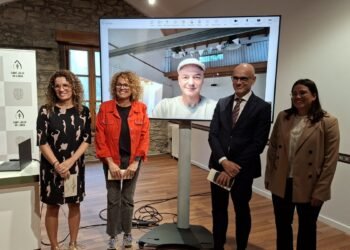

The implementation of the obligations to renew the immigration permit derived from the Catalan Law have found that what seemed accessible, being able to accredit the most basic level of knowledge (the A1 qualification) within a year, it is not for everyone. And this is the background of the amendment that the parliamentary group of Democrats has submitted to the Immigration Law to exempt some people from the obligation to present the diploma in the first renewal of the residence and work authorization. “The law cannot provide for all cases and since its approval we have detected people with comprehension difficulties in classes and exams, who need more time”, explained yesterday the Minister of Culture, Monica Bonell “They are few but they are there”, he replied Bonelland the motivation behind the modification of the regulations is to attend to these situations, cases of people who have had a very limited time in school, for example. “We must allow everyone to integrate into the country, be inclusive“, he insisted, as long as these people follow the training circuit and, ultimately, demonstrate an interest in having the knowledge of the language that is required of them. Which is the condition also specified in the amendment.
“We have detected people with comprehension difficulties who need more time”
The processing of the amendment of the Immigration Law to find a solution to one problematic that has been evidencedfor example, with the 24 suspended in the extraordinary call which was held in September to obtain the A1 qualification. Although Bonell specifies that there is no record of the situation of each of these people and if they all had to renew their immigration authorization now, it has been verified that in some cases there are notable difficulties for achieve learning and that they need more time. The amendment – which is dependent on the time of parliamentary processing – is not the only measure to find a way out for residents with problems to accredit the requirement of knowledge of Catalan to continue residing and working in the country. The Government plans to hold a new extraordinary exam to obtain the A1 qualification in November (the ordinary ones are between January and February and in June) to give a new chance to those who have been suspended, and because there are also cases of people who were not aware that they already needed the official diploma and not just an accreditation of basic knowledge, or who simply got lost and did not take the official test. It will be a call subject to having to renew the permit before the February 2027. The Head of Culture insisted that “the will of the law is not to expel people from Andorra” or to create “a linguistic police force”, but to find a way to promote learning and integration with results that Bonell evaluates satisfactorily, as it already did on Monday at ” target=”_blank”>Let’s talk about it, from Diari TV. “More than 500 people have passed theA1“, he recalled. But “perhaps we were too optimistic thinking that in a year everyone could have an A1”.

“The intention of the (Catalan) law is not to expel people from Andorra”
professional sport
The second group exempted from the first accreditation of the level of Catalan is that of professional sportsmen. In this case the justification is the high mobility of team players whose employment can take them to multiple places during the career and that the stay in Andorra be relatively short. “The law is not designed for this kind of cases“, replied the minister. The amendment made to the Immigration Law exempts them fromA1 in the first renewal of the residence permit, but – and this does not change in the previous case either – they will have to present the accreditation of the next level of knowledge (theA2) in the second renewal, when two years have already passed in the country. And this is understood because “it means that they are already creating links in Andorra and, therefore, they can already be required” to know the language.
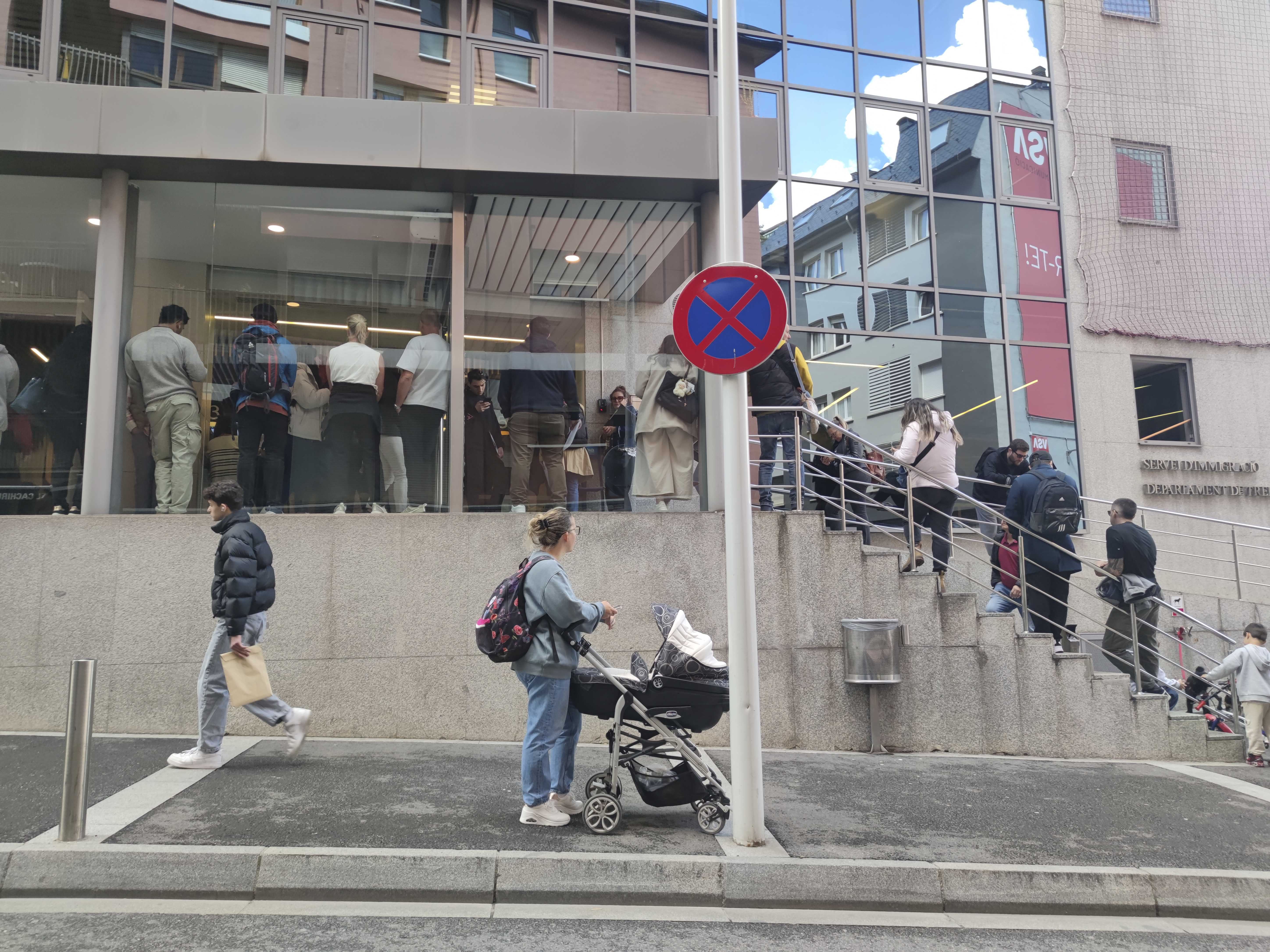
There will be a new exam call to achieve A1 in November
The Democratic amendments to the modification of the Immigration Law -a text initially presented by Government to adapt the regulations to the border management agreement with the EU and those that must be signed with neighboring countries – also take into account the geographical mobility of the professional athletes to incorporate a more lax condition in another obligation derived from the regulatory framework, the presentation of criminal records. If the amendment succeeds, six months will be given to present it documentation and those affected will be under a conditional regime during this time. If they do not present the requested information within this period, the migration authorization will be denied.
For athletes it is taken into account that there may be little rooting