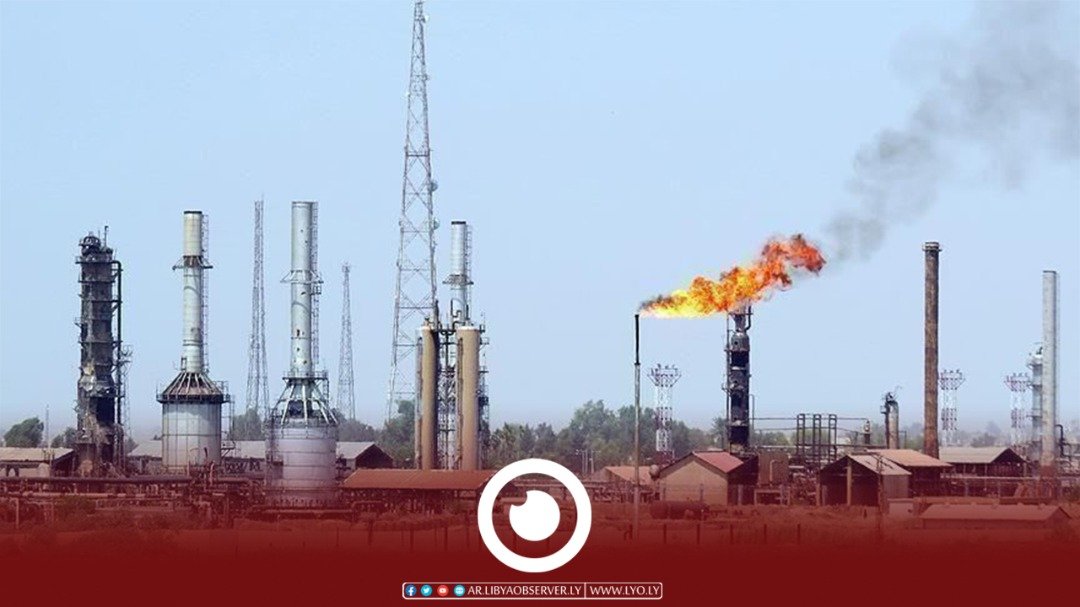
The US-based Atlantic Council said that Libya’s increase in oil production to around 1.4 million barrels per day, with a target of 1.6 million barrels per day by the end of 2026, will not be enough to resolve the country’s economic crisis as long as parallel spending, institutional division, and weak oversight persist.
In an analytical report, the Council stated that higher oil revenues will not fix Libya’s economy if they continue to be spent within an economic system characterized by uncontrolled expenditure and fragmented institutions. It also highlighted the International Monetary Fund’s warning that the country’s current fiscal trajectory is “unsustainable.”
The report added that the Libyan dinar’s devaluation twice in less than a year has driven up the prices of essential goods and eroded purchasing power, while the cost of a basic household consumption basket rose by 27.7 percent over the past year, according to data from the World Food Programme.
The report described the adoption of a unified state budget for the first time in 13 years as an opportunity to strengthen economic stability. However, it stressed that its success depends on transparent implementation, independent oversight, and genuine accountability for public spending.
It also urged the United States to continue supporting the implementation of the unified budget, provide technical assistance for public financial management, and press Libya’s leadership to commit to transparency and oversight, while remaining prepared to impose sanctions on parties that obstruct the budget’s implementation or undermine accountability.
The report concluded that Libya’s core problem is not a lack of revenue, but rather the way those revenues are managed, arguing that the unified budget will not deliver long-term stability unless it is built on transparency, oversight, and responsiveness to citizens’ priorities.