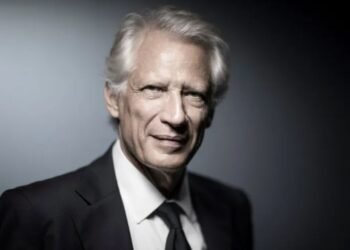
Security affairs researcher Dr. Muhammad Al-Saleh Jamal told Al-Shorouk:
Dr. Mohamed Saleh Jammal, professor of political science and international relations, believes that Parliament’s approval of the request to send a detachment from the People’s National Army to Niger reflects a strategic direction of President Abdelmadjid Tebboune, in his capacity as President of the Republic, Supreme Commander of the Armed Forces and Minister of National Defense, which is based on strengthening Algeria’s ability to protect its vital interests and develop its African partnerships according to a vision that combines national sovereignty and regional responsibility.
The importance of political leadership in this context is highlighted, according to the researcher in security affairs, by including military cooperation with Niger within a clear institutional path, based on the request of the Nigerien authorities and the approved constitutional mechanisms.
The decision also embodies President Tebboune’s keenness to transform political trust between Algeria and Niamey into practical cooperation that serves the security of the two countries and the stability of the region, safeguards Algerian investments, and strengthens Algeria’s position as a reliable partner in Africa, capable of combining clarity of national interests and responsible engagement in addressing common security challenges.
Gamal added, in a statement to Al-Shorouk, that this decision opens a new phase in Algeria’s approach to security challenges in its African space, and reflects a development in the relationship between protecting national interests and the requirements of regional stability.
The importance of this decision stems from its coincidence with the strengthening of military cooperation between Algeria and Niamey, and from its connection to the protection of Algerian investment projects, especially Sonatrach’s international exploration and production projects (CEPEX), in addition to the fact that it came in response to a request from the Nigerien authorities. These data reveal a qualitative shift in the tools of bilateral partnership, based on mutual interests, institutional coordination, and respect for national sovereignty.
Regional security begins with realizing the interconnectedness of interests …
The spokesman stated that the transformations taking place in the Sahel region require a reconsideration of the relationship between internal security and developments surrounding countries. Cross-border threats, and the associated risks to economic facilities, supply routes, and infrastructure, make the stability of neighboring countries part of each country’s strategic calculations. From this standpoint, Algeria views Niger’s security within a connected geographical space, in which border, economic, and security considerations overlap.
The importance of the decision lies in integrating the protection of national interests within a broader vision of regional security, allowing for dealing with risks according to a strategic assessment that takes into account the nature of the threats, their sources, and their potential repercussions. Protecting an economic facility outside borders is not only related to a commercial asset, but rather is related to the continuity of investment, confidence in partnerships, and the ability of national institutions to continue their activities in environments that require special security arrangements.
Niger’s request: a sign of trust and shared responsibility
The analyst considered that the Nigerian authorities’ request for assistance from Algeria constitutes a central element in reading this development. It reflects a trend towards benefiting from the Algerian experience and the capabilities offered by the military partnership between the two countries. It confirms that cooperation is based on a need expressed by the party concerned, and on a bilateral understanding regarding responding to it. The significance of this request goes beyond the procedural dimension, as it highlights the importance of political trust in transforming bilateral relations into practical arrangements. The Algerian response falls within a relationship based on good neighborliness and direct coordination, and allows for a combination of protecting Algerian investments and supporting Nigerien efforts aimed at enhancing security. The clarity of the legal and institutional framework for the mission constitutes an essential factor in defining its objectives and ensuring its implementation in a manner consistent with the sovereignty and interests of the two states.
Sonatrach and economic security: protecting investment as a strategic priority
Jammal stressed that the economic dimension represents one of the most important keys to understanding the decision, as protecting national investments abroad has become part of the comprehensive vision of economic security, especially when it comes to the energy sector and the associated long-term projects and regional cooperation networks.
In this context, protecting Sonatrach’s projects in Niger is of particular importance, given the role of the energy sector in the Algerian economy and the importance of expanding African economic partnerships. The continuity of projects requires a safe environment, close coordination with local authorities, and the ability to deal with risks according to clear arrangements.
This trend reflects an integration between foreign, defense and economic policy, where the state’s tools combine to protect its legitimate interests and ensure the sustainability of its investments. It also sends a message to economic partners that Algeria attaches great importance to accompanying its national institutions and protecting its projects within the approved legal frameworks.
People’s National Army: Readiness in the service of strategic objectives
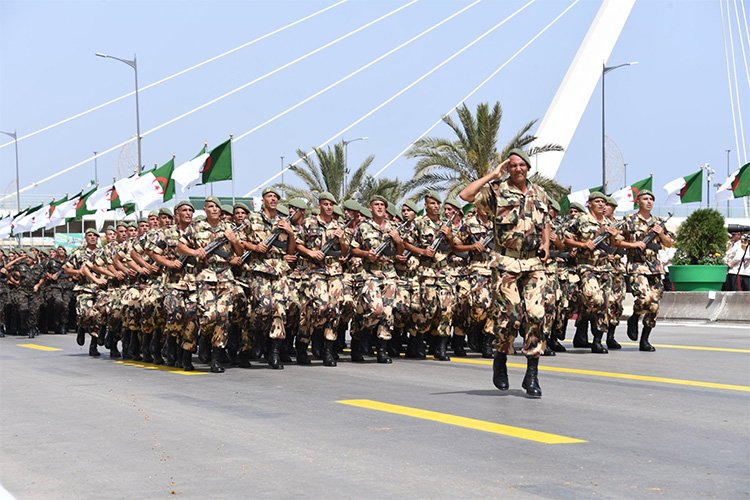
In his speech, the analyst highlighted the professionalism and high readiness that have become distinguished by the People’s National Army in recent years, stressing that it plays a pivotal role in implementing the state’s defense orientations, with its organization, human resources, operational capabilities and experience in dealing with security challenges in the desert field. The importance of the military institution in this context is highlighted by its ability to carry out specific tasks in accordance with the directives of the political leadership and the constitutional framework regulating them.
The decision also reflects the importance of operational planning and coordination between the military institutions of the two countries, with the necessity of defining the scope of the mission, its responsibilities, and its security requirements. These elements gain doubly important in complex regional environments, where effective performance is linked to readiness, discipline, and accurate assessment of risks.
This role confirms the position that the army occupies in protecting the sovereignty and supreme interests of Algeria, and keeping pace with the transformations imposed by the regional security environment, within the framework of the tasks determined by the competent state institutions.
The African Sahel and the responsibility of regional partnerships
Jamal added that Algerian-Nigerian cooperation cannot be separated from the need to strengthen coordination between the Sahel and Sahara countries. Common challenges require exchanging experiences and developing cooperation mechanisms, in addition to continuing political, diplomatic and development efforts. Bilateral partnerships based on mutual interests would support countries’ abilities to deal with threats and create more favorable conditions for economic and social stability.
The value of the Algerian approach lies in the possibility of combining the security dimension and respect for the sovereignty of states, protecting national interests and developing cooperation with the neighbourhood. The success of this path remains linked to clearly defining the objectives, continuing coordination with the Nigerian authorities, and evaluating the results according to the requirements and needs of the mission.