At the forefront of which is investment in exploration and development of fields and solar energy
Despite the decline in Algeria’s exports of liquefied natural gas during the third quarter of 2026, economic and energy experts believe that this development does not eliminate the opportunities available to enhance exports during the next stage, especially through expanding gas production, developing solar energy, and improving the efficiency of domestic consumption, allowing the release of additional quantities of gas to be directed to foreign markets..
And according to Data Reported by the Energy Platform, Algeria’s exports of liquefied natural gas decreased by 27% on an annual basis during the third quarter of this year, reaching about 1.57 million tons. Experts attributed this decline to the increase in local demand for electricity during the summer, the maintenance work that Arzew facilities witnessed in August, in addition to the decrease in the quantities of gas directed to the liquefaction units.
In contrast to these factors, the experts’ statements highlight a set of capabilities that could support Algeria’s exports in the future, most notably investment in gas exploration and field development, expansion of solar energy, and reduction of inefficient domestic consumption, in addition to benefiting from the country’s position in international markets.
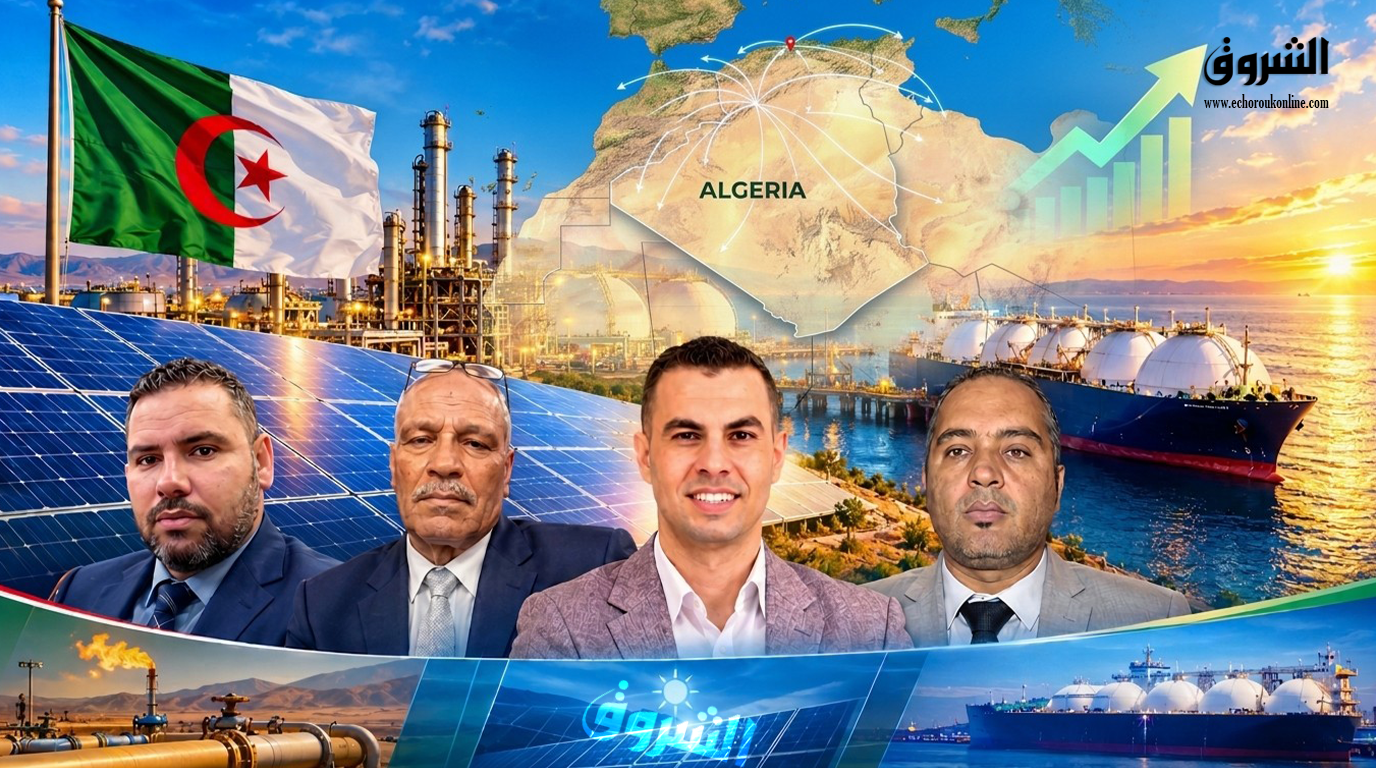
Economist Fares Habbash explained that evaluating Algerian gas exports requires distinguishing between liquefied natural gas that is transported by sea and gas that is exported via pipelines, given the different export paths and the factors affecting them. He also pointed out that expanding solar energy production could relieve pressure on natural gas used locally, and provide additional quantities that could be directed to export.
This point is particularly important in light of Algeria’s high dependence on gas for electricity production, as diversifying the energy mix would allow a more balanced use of gas resources, and maintain the possibility of meeting domestic demand while supporting supplies directed abroad.
For his part, energy economist Sari Nasr al-Din stressed the importance of continuing investment in gas exploration and field development, in parallel with the expansion of solar energy and improving energy efficiency. He believes that combining these paths would help Algeria achieve a better balance between the needs of the local market and export requirements, instead of the rise in internal consumption leading to a reduction in the quantities available to foreign markets.
This approach indicates that enhancing exports is not only linked to increasing production, but also to the country’s ability to manage domestic demand and develop alternative sources of electricity production, allowing a larger portion of gas to be directed to international markets when the necessary quantities are available.
In turn, economic expert Bouhous Bouchikhi pointed to the position that Algeria occupies in the liquefied natural gas market, as it ranked eighth globally among exporters during the year 2025, with exports amounting to 9.7 million tons, according to a report issued by the International Gas Union in July 2026. The annual capacity of Algerian liquefaction facilities is about 25.5 million tons, which highlights the size of the infrastructure available for liquefying gas, although benefiting from it is linked to the availability Supplies directed to these facilities.
Foreign trade indicators, according to the data reviewed in the article, reveal the continued presence of Algerian gas and hydrocarbon products in multiple markets. UK imports of Algerian liquefied natural gas rose from 60,000 tons during the first quarter of 2025 to 140,000 tons in the same period in 2026, an increase of nearly 130%. Algeria also topped the list of suppliers of naphtha to South Korea during the first half of 2026, with a share of 17.2% of this country’s total imports of the substance, in addition to exports of liquefied petroleum gas to Chad.
These indicators reflect the diversity of markets and products that Algeria can benefit from in its energy trade. They also highlight the importance of maintaining the reliability of supplies and developing production and export capabilities to keep pace with the needs of importing markets.
For his part, Head of the Energy Research Unit, Ahmed Shawqi, explained that the growth in domestic consumption absorbs part of the increase in gas production, pointing out that record levels of demand for electricity were recorded during July and August. In contrast, pipeline gas exports to Europe remained relatively stable, reaching about 78 million cubic meters per day during the third quarter of 2026, compared to 77 million cubic meters per day in the same period in 2025.
These numbers highlight the importance of solar energy as one of the options available to reduce dependence on gas for electricity production. The greater the contribution of renewable sources to meeting domestic demand, the greater the possibility of allocating quantities of gas to foreign markets, while maintaining the needs of consumers and institutions within the country.
While LNG exports face pressures related to domestic demand, maintenance, and availability of supplies to liquefaction stations, expert opinions indicate that investing in production, diversifying electricity sources, and raising consumption efficiency represent practical paths to support Algerian exports. Achieving this potential remains linked to the sector’s ability to provide sufficient quantities of gas, improve the exploitation of existing infrastructure, and respond to the requirements of the local market and foreign markets simultaneously.