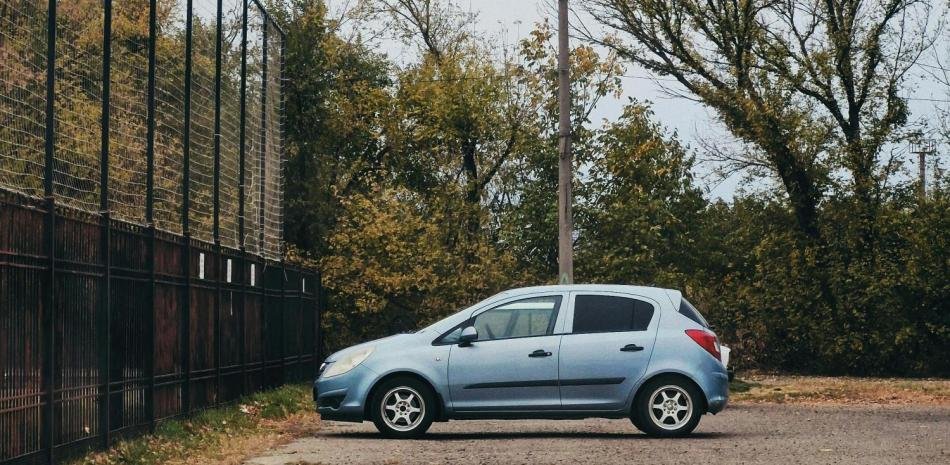
Have you ever pulled into your driveway or parking spot and just… stayed there?
Maybe it’s a few minutes, or half an hour. You may be looking at your cell phone, singing your favorite song at the top of your lungs or just staring into space.
If you browse TikTokyou will find countless videos of people wondering out loud why they always do the same thing: getting to work, home, the gym and sitting in the car. Some arrive early on purpose. Others stay long after they have parked.
This behavior is so common that it has become something of a ritual, which people are increasingly recognizing and sharing online.
It turns out that science has some ideas about why people do this. Whether in the caron the sidewalk or just leaving the house, that momentary pause can function as a respite between one part of the day and the next. And while there isn’t much research to back it up, experts say it can be beneficial, as long as you keep a few things in mind.
“Many times we go at full speed,” said Jenny Taitz, a clinical psychologist who runs her own practice in Beverly Hills. “But if we can stop, slow down, take a step back, observe, act mindfully, maybe a few minutes to disconnect between activities, that gives us the ability to be more aware.”
The breaks with the car parked serve as an emotional reset.
A few brief moments alone can help reset emotions when moving from one activity to another, such as letting go of the stress of work before returning home.
“Taking a short break allows you to relax and prepare before moving on,” explained psychologist Anthony Vaccaro of the University of North Carolina at Chapel Hill. Vaccaro sits in his parked car for a few minutes after arriving home from work, turning up the volume to listen to one more song.
People seek these breaks to process their emotions, readjust, and dispel sadness. And doing it in a car makes sense because “it is an intermediate space,” according to psychologist Thuy-vy Nguyen, of the Durham University in England and founder of Solitude Lab, which studies how loneliness affects us and revitalizes us.
The car is an environment over which people can have complete control, from the temperature to the music.
What you do at that moment matters.
Scientists say that taking brief moments to relax during work day and afterward it can improve mood, sharpen concentration and increase energy levels.
However, when it comes to breaks in the car, whether that break is beneficial or detrimental depends on how the time is spent.
“If you’re in your car surfing the internet and thinking about something that’s worrying you or mulling things over, you know, with your head full of negative thoughts, the parked car is not a reset. It’s a stressor,” Taitz said.
Scroll through phone screen It can draw attention to what is happening there, which in turn can make it difficult to relax.
If spending time sitting in a parked car has become a habit, pay attention to how you spend it. Take a few moments to breathe calmly, listen to a familiar song, or plan how you want to face the next day: whether you want to feel calmer, more patient, or more focused. Even a brief pause can change your mood.
“You could change your blood pressure in five minutes,” Taitz said, referring to simple techniques like slowing your breathing or relaxing your body.
Think of it as a pause, not an escape.
There is a difference between a useful reset and evasion. If your parked car’s brakes are making you late for important meetings or dinner with friends, or if you find it difficult to get out of the car and face the rest of the day, they may do more harm than good, or indicate that something more serious is going on.
“It’s really about why you’re doing it and whether it interferes with other aspects of your life. That’s what will determine whether it’s good or bad behavior for you,” Vaccaro said.
Relaxing in the car can be much more than just relieving stress. The enormous amount of information we receive every day makes a quiet break even more essential and rewarding.
“We’re always juggling so many things, without taking much time to slow down,” Taitz said. “Trying to find those moments can make things happier, more joyful and more rewarding.”
Think of it less like a draft and more like a refuel.