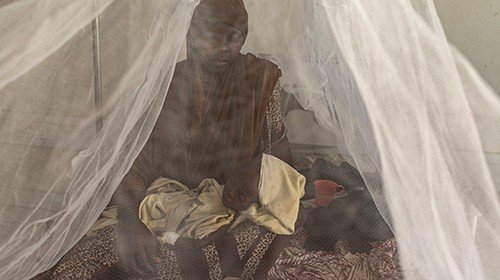
Therapeutic milk and peanut paste: these foods rich in essential nutrients are increasingly scarce in Somalia. The life or death of almost half a million children under 5 years old who suffer from severe acute malnutrition or wasting, the most dangerous form of hunger, depends on them. In the country already hit by famine and drastic cuts in foreign aid, the war between the United States and Iran has aggravated the emergency, due to interruptions in shipments and increased prices. The shortage of life-saving food has forced some clinics in Baidoa and Mogadishu to refuse severely malnourished children and to ration supplies, as Reuters reports. «If care is discontinuous, children risk weakening, both physically and mentally. And it may not be possible to repair the situation later,” said nurse Hassan Yahye Kheyre. According to the International Rescue Committee (IRC), which supplies the facility where the operator works, the 225 remaining cartons of peanut paste will run out within two weeks. Shukri Abdulkadir, IRC coordinator in Somalia, said he had canceled an order that would have fed more than 1,000 children that had become stuck two months ago in the Indian port of Mundra, now congested with goods unable to dock in the Gulf. He then placed an emergency order for 400 cartons from Nairobi and is moving the supplies from Mogadishu to Baidoa to await delivery. But rising transportation and manufacturing costs have driven up the price of a single package from $55 to $200. This is according to Care International, whose latest order is now only enough for 83 children instead of 300. In 2024, deliveries of therapeutic milk and ready-to-use therapeutic foods (RUTF) from Europe to Somalia typically took 30-35 days, which increased to 40-45 days in 2025 due to the diversion of ships around Africa due to security threats in the Red Sea, up to 55-65 days, after the beginning of the war with Iran. The estimate comes from Mohamed Omar, Health and Nutrition manager of Action Against Hunger (ACF) in Mogadishu. Yet, hospitalizations of severely malnourished children in health centers supported by ACF, in the January-March period, increased by 35% compared to last year.
Indeed, after three consecutive rainy seasons characterized by drought, it is estimated that over 6.5 million people, or a third of the Somali population, face acute levels of hunger. According to the Integrated Food Security Phase Classification (IPC), more than 2 million people are now in the Emergency Phase, one level before famine.
Somalia has also been affected by the drastic cut in aid from the United States to the United Nations Office for the Coordination of Humanitarian Affairs (OCHA), which has therefore had to significantly reduce support to Somalia this year, with dramatic consequences, such as the closure of several health centers. Save the Children – which has been operating in Somalia since 1951 – also spoke about the possible catastrophic effects in a report entitled When aid disappears, childhood disappears too. Without immediate funding – the NGO denounced – other treatment centers will close, supply chains will be interrupted and children in need of care will not receive any. (beatrice guarrera)