Revised rules require six months of hormone therapy for exemption from service
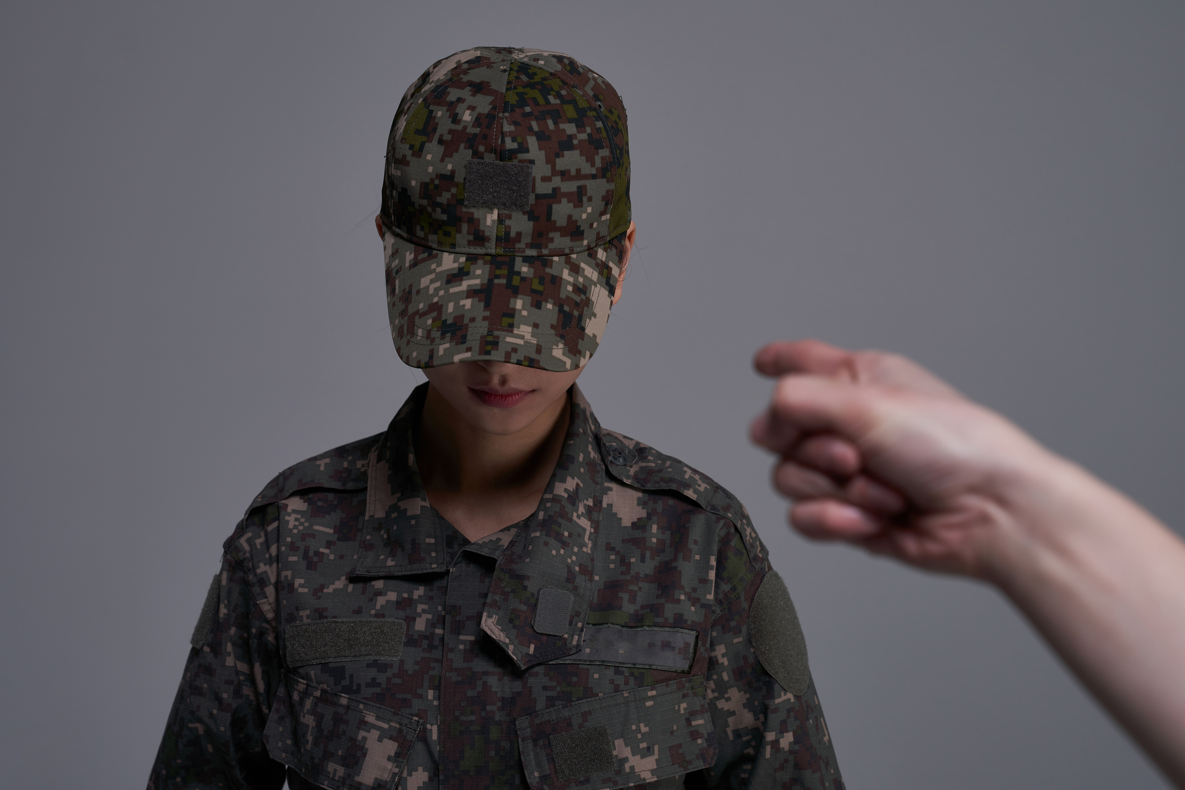
What does it take to be recognized as having fully transitioned? In South Korea, military guidelines point to at least six months of hormone therapy.
A Seoul court has ruled against a transgender woman seeking to overturn a military classification decision, renewing debate over how gender identity is treated under the country’s conscription system.
According to The Hankyoreh, the Seoul Administrative Court dismissed a lawsuit filed against the head of the Seoul Regional Military Manpower Administration. The plaintiff had sought to revoke a ruling that classified her as eligible for alternative military service.
The plaintiff, who is legally registered as male but identifies as female, has lived as a woman since coming out at age 20 and has been diagnosed with gender dysphoria by medical institutions.
Under revised military assessment rules introduced in February 2024, she was assigned a grade 4 classification in September, making her eligible for alternative service as a public service worker.
The updated guidelines require individuals with gender incongruence to undergo at least six months of hormone therapy to be considered for exemption from military service. Those who do not meet this threshold are generally assigned to alternative service.
Previously, individuals with gender incongruence could receive a grade 5 exemption if military service was deemed difficult, or a grade 7 classification requiring periodic reexamination.
The court upheld the revised criteria, stating it was “difficult to recognize that the plaintiff has undergone sufficient social or physical changes to the extent that alternative service would be unfeasible.”
It also rejected claims that the updated rules were unconstitutional, saying that differentiating classifications based on changes resulting from hormone treatment constitutes a “reasonable standard.”
Addressing concerns over potential harassment or human rights violations during service, the court said such issues should be handled through oversight of individual service institutions rather than changes to the classification system itself.
The ruling has drawn criticism from human rights advocates, who argue that it fails to reflect the lived realities of transgender individuals.
The plaintiff’s legal representative said the decision overlooked personal circumstances. “The system should ultimately move toward exempting individuals once gender incongruence is recognized,” the lawyer said, adding that an appeal will be filed.
The case has reignited debate over South Korea’s approach to gender identity within its mandatory military service system.
When the rules were revised in 2024, the Ministry of National Defense said the changes were intended to clarify standards and reduce repeated reexaminations for individuals with gender incongruence.
Critics, however, say linking legal recognition to medical treatment runs counter to international standards. The World Health Organization removed transgender identity from its classification of mental disorders in 2019 and introduced the term “gender incongruence,” emphasizing that it is not a disease.
jychoi@heraldcorp.com