The development of a El Niño phenomenon strong intensity forecast for the end of 2026 could intensify the decrease in rainfall in the Peruvian Amazon and aggravate the decline in rivers during the coming months, warned the head of the National Meteorology and Hydrology Service (Senamhi) in Loreto, Marco Paredes.
The specialist explained that this scenario could generate a water deficiency in the Amazon basin, with rainfall below normal levels, which would affect the seasonal increase in flows and increase the risk of a hydrological drought during the emptying season.

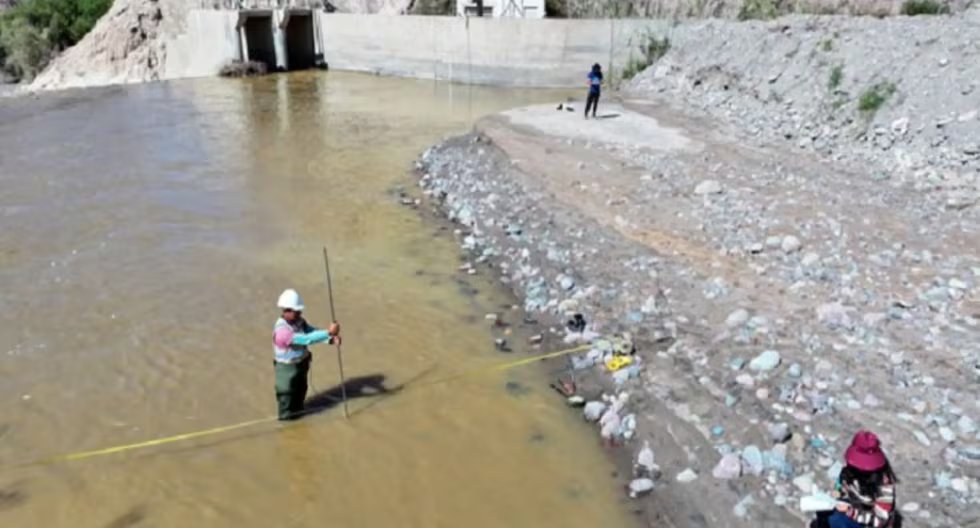
Emptying of the Amazon rivers could intensify between September and October, warns Senamhi. (Photo: Andina)
Paredes reported that the decline of the rivers has already been recorded rapidly in recent weeks. He specified that, during the last 30 days, the levels decreased between 20 and 25 centimeters daily, although the rains recorded during the San Juan week They allowed a temporary pause in that trend.
Likewise, he indicated that signs of water deficiency are already observed in the basin headwaters. The Alto Ucayali, Alto Huallaga and Alto Marañón rivers They present significant declines that, as he explained, could later move towards the rivers of the lowland jungle, including the Amazon.
The official pointed out that a severe vacuum would have effects on river navigation, because the vessels that transport products from Yurimaguas and Pucallpa towards Iquitos they could face greater difficulties due to the appearance of sandbanks and the reduction of flows.
He added that this situation could also affect agricultural activity, the availability of water for communities and public health, especially in rural areas where access to drinking water continues to be limited.

A strong El Niño could reduce rainfall and accelerate the decline of rivers in the Amazon. (Photo: Andina)
Marco Paredes recalled that Loreto already faced similar scenarios during 2023 and 2024, when the reduction in river levels made food transportation difficult, increased logistics costs and affected populations settled in the Amazon basins.
According to Senamhi projections, the rivers could continue to decline at a rate of between 15 and 20 centimeters per day. The most critical period of the shortage would occur between September and October, although its effects could last until November and December.
FURTHER: El Niño phenomenon in Peru: six interactive graphs show how much was not invested in prevention
The specialist specified that the reduction in river levels responds to the seasonality of the Amazon summer, but warned that an eventual El Niño phenomenon of strong intensity could accentuate the problem by further reducing rainfall in the Amazon basin.
Finally, the head of Senamhi Loreto urged regional, provincial and district authorities to activate their risk prevention and management committees to anticipate measures against possible navigation, supply, health and food safety problems in the Peruvian Amazon.