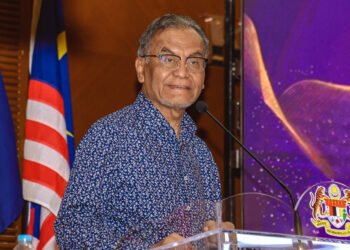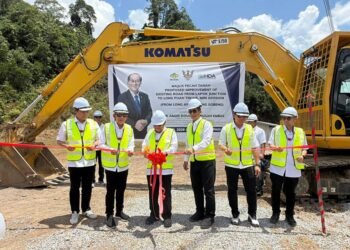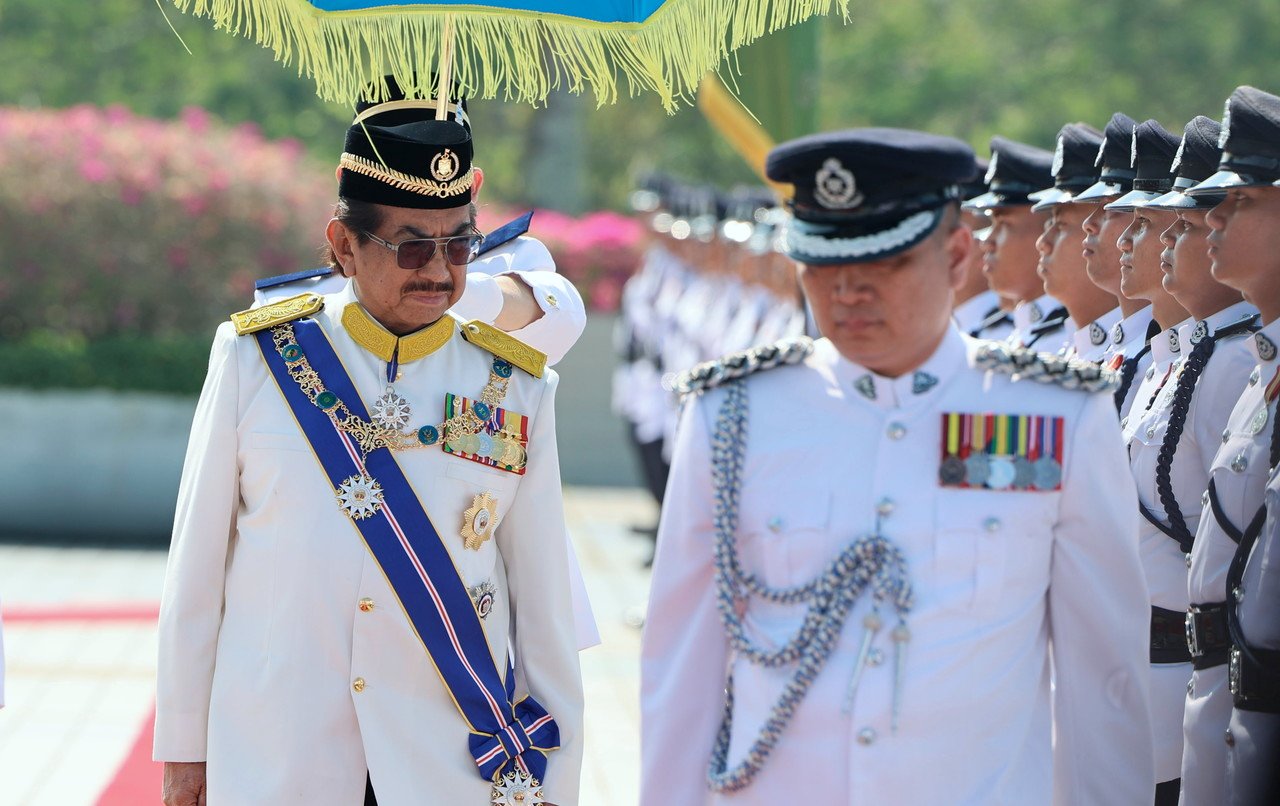

Musa says the state government remains focused on ensuring inclusive development by reducing poverty rates and narrowing the development gap between urban and rural areas. – Bernama photo
KOTA KINABALU (April 23): The Sabah government is committed to strengthening human capital development through Technical and Vocational Education and Training (TVET) to produce a highly skilled workforce aligned with industry needs, said Head of State Tun Datuk Seri Panglima Musa Aman.
He said among the government’s priorities this year are developing curricula based on actual industry requirements, conducting skills gap analyses, and implementing initiatives to enhance the employability of students and the local workforce.
Speaking at the opening of the 17th Sabah State Legislative Assembly sitting here, he said the state government remains focused on ensuring inclusive development by reducing poverty rates and narrowing the development gap between urban and rural areas.
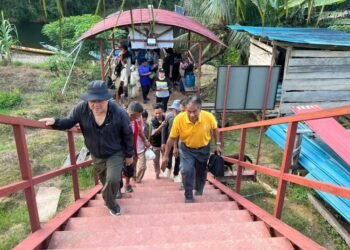
“To achieve this goal, basic infrastructure in rural areas will continue to be intensified to improve residents’ quality of life and create opportunities for local economic growth,” he said.
Musa said the Sabah Hardcore Poverty Eradication Programme will continue to be enhanced under SMJ 2.0 through five main intervention pillars: housing, education, employment, welfare, and entrepreneurship and training.
“Medium and long-term interventions will continue to be implemented in an integrated manner to ensure that the incomes of heads of hardcore poor households increase continuously and sustainably,” he said.
He added that to strengthen the rural economic ecosystem, the state government will develop four new township projects in Penangah (Tongod), Melalap (Tenom), Ulu Dusun (Sandakan) and Beluran.
At the same time, focus will be given to physical planning and land use through the review of the Sabah State Structure Plan and district plans to ensure development is carried out in a balanced and well-planned manner.
Musa said the state government will also continue various assistance initiatives in education, healthcare, housing and finance to improve the people’s wellbeing and ensure the underprivileged are not left behind in the development process.
He added that the government will continue providing basic facilities and improving welfare services for children, senior citizens and persons with disabilities.