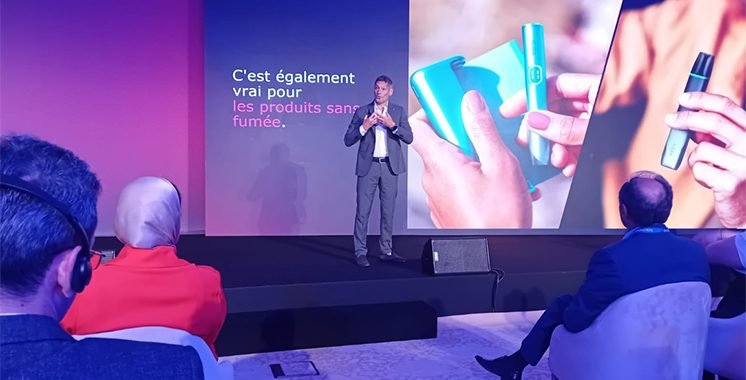
The challenge now is to provide innovative support to the millions of adult smokers who are unable to quit smoking, by offering them non-combustion alternatives.
“Technology 2026”: Scientific innovation and information are emerging as major challenges for accelerating progress in public health, particularly in the fight against smoking. In Africa, and particularly in Morocco, experts are calling for policies based on scientific data, capable of supporting the transition to a smoke-free future. Discussions at “Technovation 2026” focused on several key elements such as the role of innovation and smoke-free alternatives in reducing risks, the need to better understand nicotine to combat preconceived ideas, the importance of health policies adapted to African realities and the right of consumers to transparent and science-based information. The details.
Focus on innovation and awareness to reduce the risks associated with smoking and offer potentially less harmful alternatives to adult smokers who are unable to quit. This is the message conveyed by Technovation 2026, an event organized on June 24 in Rabat by Philip Morris International (PMI), dedicated to the role of innovation in the evolution of public health. “Innovation has always accompanied humanity. Men and women have constantly innovated to solve the great challenges of their existence,” underlined Tommaso Di Giovanni, vice-president Communications and Engagement at PMI, at the inaugural session of this conference.
Referring to humanity’s first inventions, from fire to hunting tools, he recalls that “innovation is what sets us apart from other species.” Furthermore, any technological innovation is inevitably accompanied, according to him, by skepticism and debate. Alternative products to cigarettes are no exception to this rule. The challenge, he explains, is now to provide innovative support to the millions of adult smokers who are unable to quit smoking, by offering them non-combustion alternatives. This strategy is part of the profound transformation undertaken by PMI for more than a decade. Indeed, a major turning point was reached in 2016 when the group, under the leadership of its former general director André Calantzopoulos, announced its ambition to build a smoke-free future. In 2020, the US FDA approved IQOS for marketing as a modified risk tobacco product.
Two years later, PMI strengthened its positioning with the acquisition of Swedish Match, expanding its portfolio of smoke-free oral products. The group claims to have spent more than $16 billion on research, development and marketing of smoke-free products since 2008. In 2025, more than 1,600 employees were involved in R&D activities, while 99% of research spending was dedicated to smoke-free alternatives. Tommaso Di Giovanni also highlighted the progress made in a decade. “In 2016, our smoke-free products were sold in only two countries and had approximately 1.4 million consumers. Today, they represent 43% of PMI’s revenues. Our company has been profoundly transformed and this evolution will continue,” he says. However, he recalled that the challenge remains immense.
“I am very proud of how far I have come, because I have experienced this transformation from the beginning. But there are still nearly a billion smokers in the world, around 80% of whom live in emerging countries,” he concludes, estimating that innovation must continue to play a central role in strategies to reduce the risks associated with smoking. This conference was an opportunity to address several major areas. Thus, innovation driven by science in countries of the South, particularly in Africa, can guide smarter regulation and accelerate progress in public health. This meeting paves the way for reflection on how scientific data, innovation and public policies can converge to strengthen the fight against tobacco. In Morocco, North Africa and more broadly on the continent, the dynamic towards a smoke-free future is accelerating. Public decision-makers, health stakeholders and scientific communities increasingly recognize the role of innovation and alternatives based on scientific evidence in reducing tobacco-related harm.
PMI says it is supporting this transition by providing science-based, smoke-free solutions that can complement national ambitions and contribute to measurable advances in public health. Furthermore, a better understanding of nicotine is essential to exploit the full potential of harm reduction strategies. This discussion examines why, despite strong scientific evidence, misconceptions about nicotine remain one of the biggest barriers to a smoke-free future. The conference highlighted how better information can support more informed choices and accelerate progress in public health.
Finally, guaranteeing consumers access to transparent information, based on scientific data, concerning the reduction of tobacco-related risks and alternative products is essential to enable them to make informed choices. Such access contributes to efforts to reduce tobacco use and sustainably improve public health outcomes.
Taylan Süer: “We wish to continue our investments in Morocco”
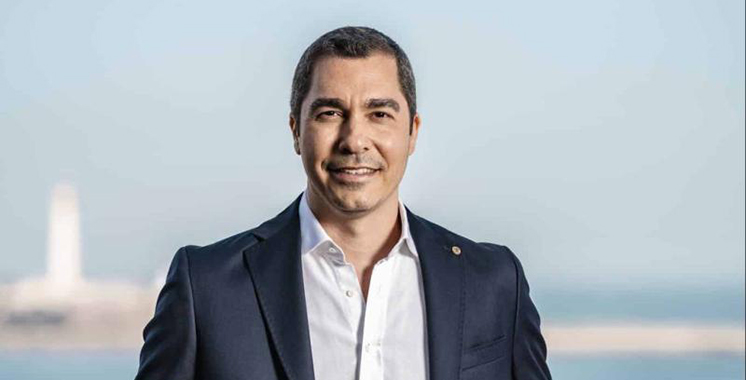
Transformation: In response to a question posed by ALM to Taylan Süer, Managing Director Maghreb, on the progress of PMI’s transformation towards a portfolio of smoke-free products, he underlines: “PMI is a company which is profoundly transforming its economic model with the ambition of building a smoke-free future. Over the past ten years, we have developed innovative products that provide better alternatives to cigarettes for adults who wish to continue using tobacco. Today, these products are available in more than a hundred countries, notably in the Maghreb and more particularly in Morocco. This innovation is now accessible to Moroccan consumers. But innovation alone is not enough.
It must be accompanied by an appropriate regulatory framework, allowing the marketing of these products, clear information for consumers and, ultimately, the possibility for them to benefit from a better reduction of risks to their health. Finally, to advance this approach, it is essential to work with all stakeholders: public decision-makers, the media, the medical community, scientists, health professionals and industry. It is through a constructive dialogue between all these actors that we will be able to advance this common objective. Asked about this development in Morocco, he specifies: “What I observe in Morocco is above all a profound transformation of the country, driven by a long-term national vision.
This vision is reflected in many areas, whether it is renewable energies or the progressive modernization of health policies. Morocco is putting in place the infrastructure and conditions necessary to attract investments, while offering its consumers more innovations and better alternatives. In this regard, we are very happy to be part of this dynamic in Morocco. We have confidence in the future of the country and we wish to continue our investments in order to bring more innovation for the benefit of adult Moroccan consumers.