For years, Maxwell Nasmyth’s family believed his stories were exaggerations. Accounts of meetings with world leaders, unusual trips and adventures around the world seemed more like fiction than fact.

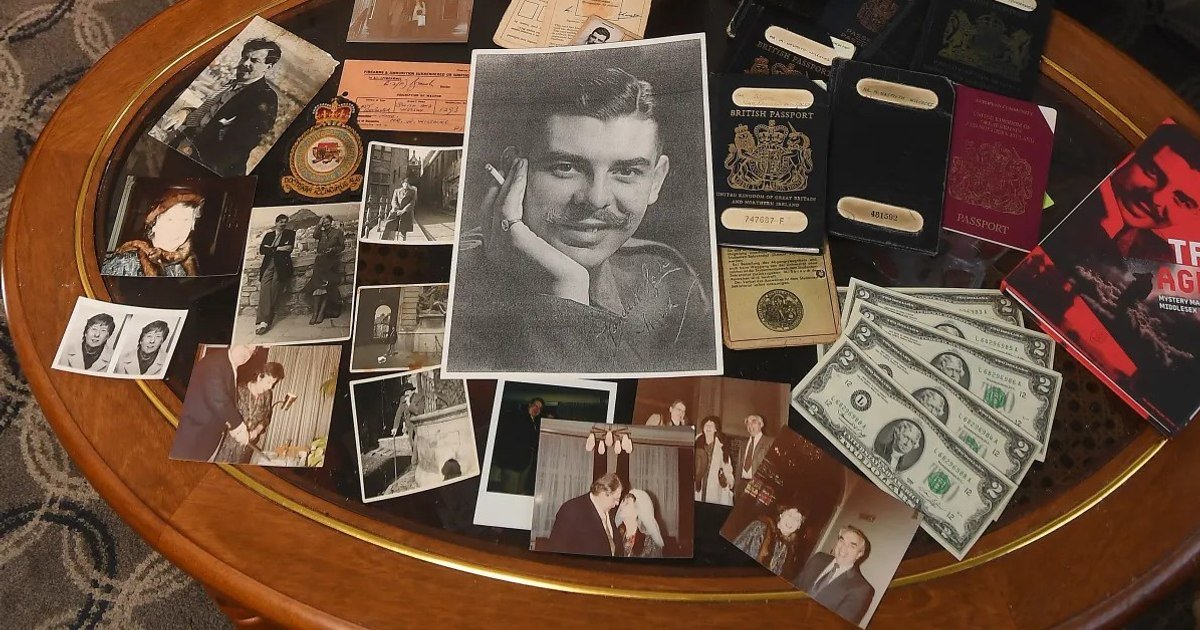
Documents found by Maxwell Nasmyth’s family/PHOTO: The Sun
Among the episodes recounted were an alleged meeting with Soviet leader Joseph Stalin, a trip on the yacht of tycoon Aristotle Onassis, and the transport of monkeys from Africa for research. To relatives, these stories seemed improbable, and Nasmyth was often compared to a fantasy character.
After more than a decade of research, however, some of these claims appear to be supported by the documents. A family member, Robin Maudsley, reviewed passports, photographs and other material suggesting Nasmyth traveled extensively and had links to government structures.
According to him, there are indications that Nasmyth may have been associated with intelligence services, including a code that could refer to MI6. Photographs from the 1950s show him in Moscow’s Red Square, and documents indicate frequent trips near US military bases.
Nasmyth, who spoke several languages and studied law at the University of Cambridge, is said to have also held a pilot’s license for large aircraft. In everyday life, however, he kept discretion, avoiding giving details about his professional activity.
One episode recounted by the family suggests that he was carrying unusual items, including a cane with a hidden blade and a firearm, although he was already in his 60s at the time.
What the relatives discovered
After his death in 2011, relatives discovered an extensive collection of documents, passports and personal effects. Among them were sums of cash and indications of possible links to US government institutions.
The case attracted the attention of Fraser and Fraser, a firm specializing in successions, which described the situation as one of the most unusual it had ever encountered.
Another item that remains unclear is the existence of a valuable Fabergé egg, which relatives say was purchased by Nasmyth in the 1950s. The object, possibly worth millions, has not been found and may be in a safe, although its exact location is unknown.
Based on this information, Maudsley suggests that Nasmyth may have had a complex role, possibly working for several states during the Cold War. He published a book about the case and continues to search for answers.
The case highlights the difficulty of retrospectively verifying activities carried out in the field of information, where documentation is limited, and some of the details inevitably remain unconfirmed.