“Al-Sardi”… the wealth of Al-Wanshris that does not enter the markets
father-in-law
Many livestock breeders in the municipality of Ouled Ben Abdelkader, located high in the Al-Wanchiris mountains in the state of Chlef, are still committed to preserving the purity of the “Sardi” breed, by focusing on its reproduction rather than its marketing, given its characteristics that make it of high value.
This breed is known for its great ability to resist diseases and adapt to various climatic conditions and difficult terrain, as well as its low breeding costs and significant returns, as the price of one ram may exceed 150 million centimes in some cases.
Despite this, breeders prefer not to sell it or direct it for sacrifice, but rather rely on exchanging it between breeders across various regions of the country with the aim of breeding and preserving the breed and its genetic purity.
In this context, the breeder specializing in this breed, Nour El-Din Sobihi, explained to Al-Shorouk that the “Sardi” rams are of an authentic Algerian breed, derived from crossing local breeds with breeds brought by the Turks from the Italian island of Sardinia, and they were raised and multiplied over time in various regions of Algeria, which is why they were known as the “Sardi” breed because it is derived from the word Sardinia, and during the colonial period, it moved beyond the borders. Algerian birds in neighboring countries in search of pastures, which contributed to their spread outside Algeria.
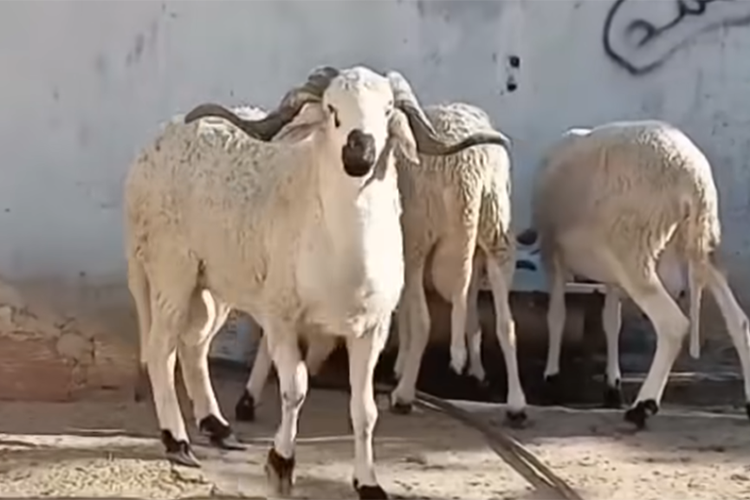
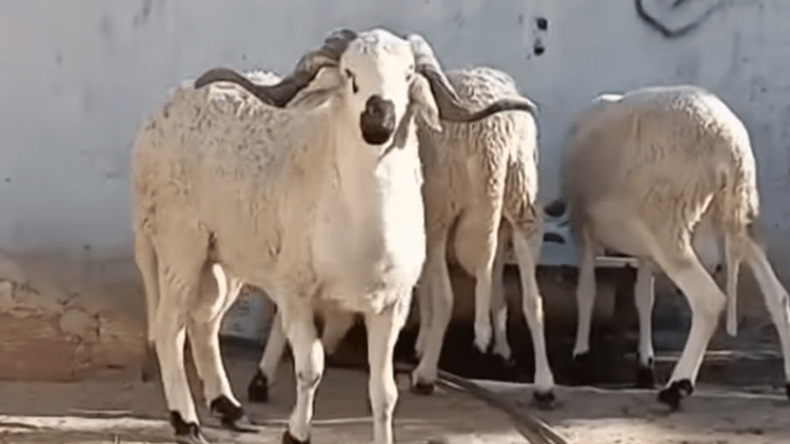
“Sardi” or “Sarandi” livestock are distinguished by their beauty, their spotted skin, their black nostrils, their long horns, and their resistance to high temperatures and drought.
In the high mountains of Al-Wanchiris, breeders of Awlad Ben Abdelkader continue to pass on the breeding of this breed, generation after generation, benefiting from the availability of natural pastures and appropriate environmental conditions that help preserve its original characteristics.
Subaihi confirmed that breeders refuse to sell these rams in the markets or use them as sacrifices or gifts, preferring to allocate them for breeding only, with the aim of protecting them from cross-breeding and ensuring their continuity.
For his part, Omran Al-Eid, a breeder from Mostaganem Province, explained that he acquired a number of heads of this breed after a long search, noting that they are not available in local markets, but are traded through direct relationships between breeders. He added that he seeks to improve his herd by crossing his sheep with this breed due to its excellent characteristics.
As for Muhammad, a rare livestock trader from the state of Mascara, he confirmed that this breed has become rare and threatened with extinction, attributing this to its smuggling to neighboring countries, especially desert areas, because of its ability to resist drought, the quality of its meat, and the low costs of raising it, which makes it an important source of profit.
Noureddine Subaihi called for the necessity of preserving this authentic animal heritage, by supporting breeders financially and morally, and encouraging the expansion of the breeding of this breed across various regions of the country, to ensure its continuity for future generations.