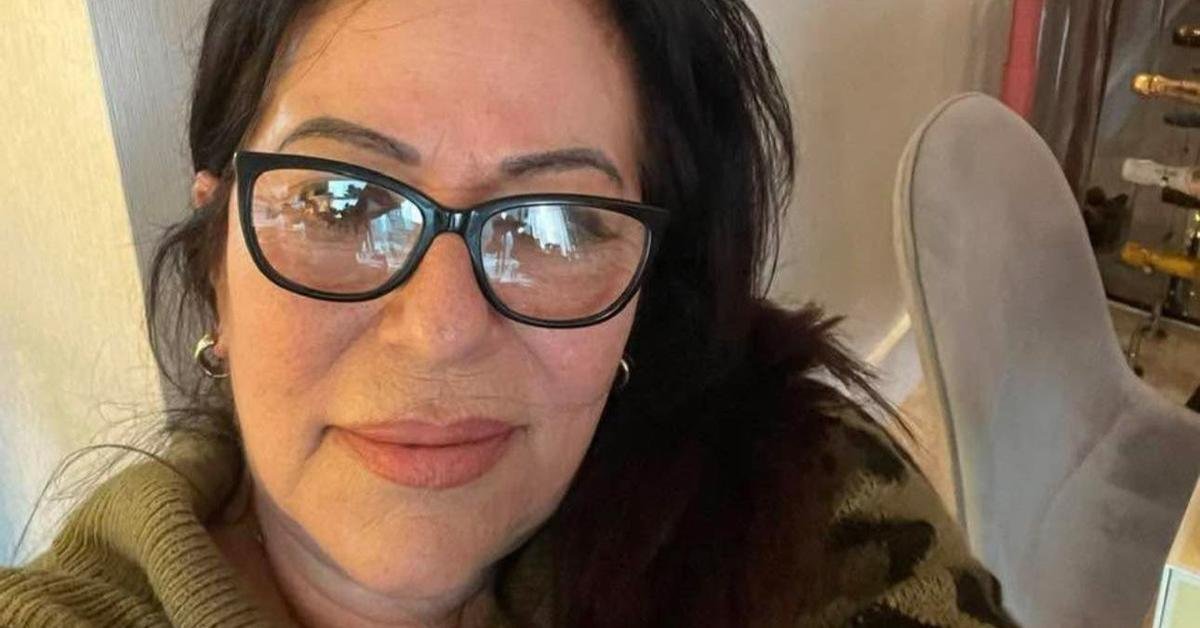
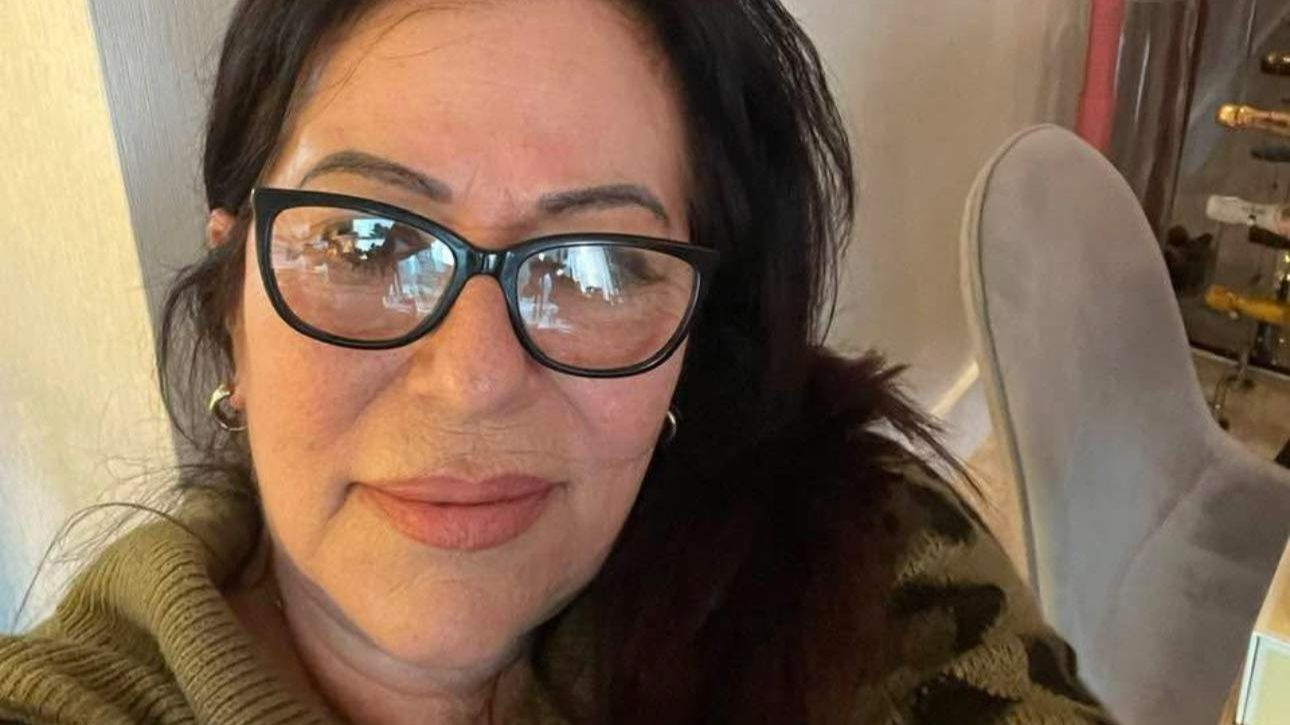
Havana/Cuban actress Zelma Morales died this Sunday, April 12, in Miami, the city where she had rebuilt her life in recent years, far from the television studios and stages that made her one of the most familiar faces of national drama. Her death was announced by colleagues and friends, among them the actor Alberto Pujol, and caused an immediate wave of messages of regret among artists and viewers who identified her with a time of great popularity of Cuban soap operas.
Morales was born in Caibarién, in Villa Clara, and came to acting after passing the aptitude tests at the National School of Art, a decision that, as she herself said on several occasions, she made almost on impulse, “out of confusion,” without imagining that that exam would mark her life. Once graduated, she began her professional career in theater, where she worked for years before moving to television, a medium in which she would end up building her public image and greater recognition.
His debut on the small screen occurred in 1984 with the series The border of duty. That first step later led her to finlaya historic production with which he expanded his presence on Cuban television and confirmed that he had the type of record that the dramatists of that time requested: serene presence, clean diction and a way of acting without stridency, based more on restraint. Its strength was in naturalness.
Zelma Morales was, for a large part of the Cuban public, a close, elegant and recognizable actress.
But it was with Today is always still that its popularity skyrocketed. There she played the teacher Isabel and shared the scene with Francisco Gattorno. Years later he would remember the phenomenon that that character caused with a mixture of amazement and humor, receiving numerous love letters from viewers. Zelma Morales was, for a large part of the Cuban public, a close, elegant and recognizable actress, capable of arousing sympathy without the need for transcendentalisms.
His career was later associated with several of the most remembered soap operas of recent decades, including If you could love me, Dust in the wind, forbidden destination, Saint Mary of the Future and In times of lovingwhich would be one of his last appearances on the Cuban screen.
However, the role that ended up fixing it in the collective memory was that of Brave Landbroadcast in 1997, where she took on the challenge of playing the twins Regina and Reina. To build both figures he even had the support of his twin sister. To better differentiate one of the characters – a nun without makeup – she resorted to minimal, almost artisanal resources, such as biting her lips before entering the camera.
On social networks he expressed on different occasions his rejection of the repression on the Island and his support for human rights.
There was also a mark of artistic lineage in her. Her son, the actor Fabián Brando, described her years ago as his “protector” and his “shield”, in an intimate evocation that allows us to glimpse a less public Zelma: the mother, the supporting figure, the woman who continued to be a reference even after leaving the spotlight.
In 2018, Morales emigrated to the United States to join his son and settled in Miami. From there he moved away from the Cuban artistic milieu, although not entirely from public conversation. On social networks she expressed on different occasions her rejection of repression on the Island and her support for human rights, a position that placed her, even outside of Cuba, in line with other artists who decided to speak more clearly about the political reality of the country. His exile was not noisy, but it was visible.
The news of his death this Sunday unleashed a chain of farewells. The popular actor Alberto Pujol he remembered her as a generous woman, someone who supported him during a difficult time in his life. from space Maka’s housewhere she had been interviewed, they evoked it as “a calm light, with a natural elegance and with a truth that was felt.”