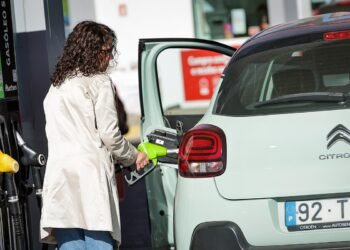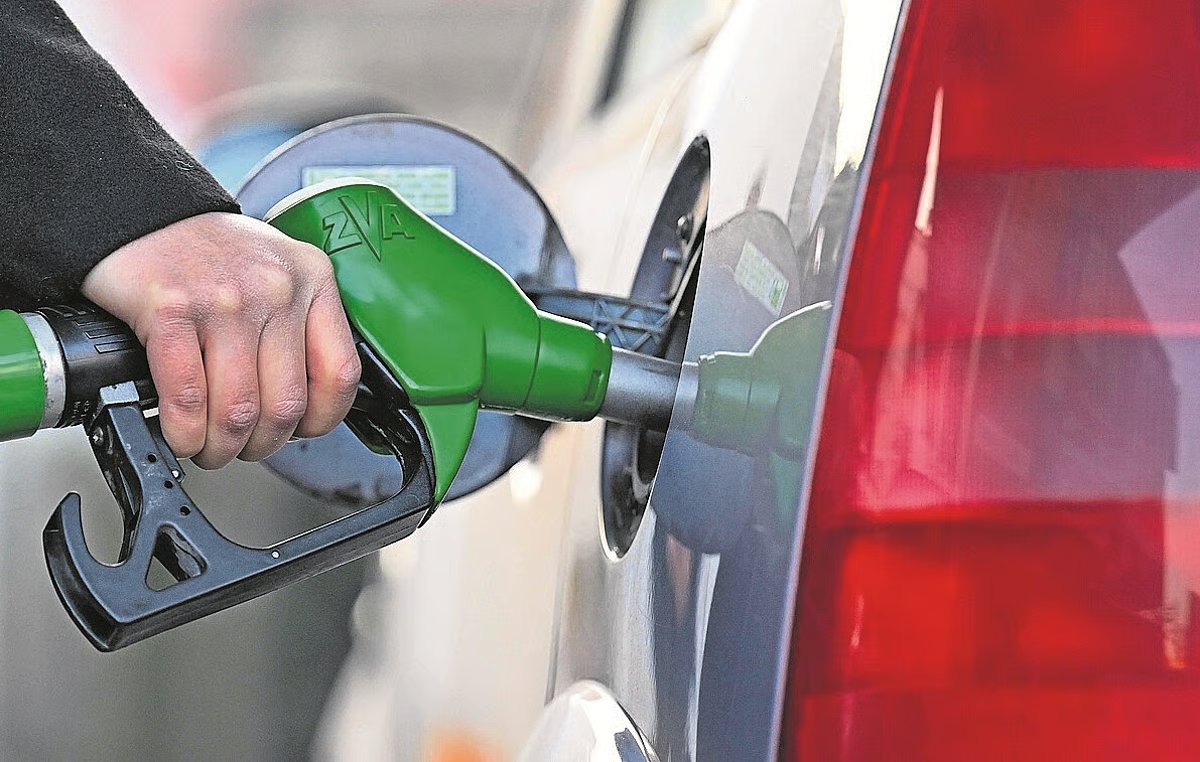
The European Commission announced this Wednesday, April 22, the creation of a Fuel Observatory to monitor reserves in the European Union (EU) and identify and act quickly in the event of possible shortages, given the impacts of the conflict in the Middle East.
“A new Fuel Observatory will be created to monitor the production, imports, exports and reserve levels of transport fuels in the EU. This will allow us to quickly identify potential shortages and, in the event of the release of emergency reserves, guide specific measures to maintain a balanced distribution of fuels”, announces the community executive, in a statement released in Brussels.
The measure is part of a package of measures released by the community executive to address the energy crisis caused by the war in the Middle East region, within the scope of which Brussels states that, “to mitigate the impact of high prices and possible shortages in the EU aviation sector, the Commission will also clarify existing flexibilities within the European aviation framework”.
Recalling that this is the second energy crisis that the EU has faced in less than five years, given its dependence on imported fossil fuels, the community executive also defends “full coordination”, which involves ensuring the filling of underground gas reserves, the use of flexibilities in storage rules or any exceptional release of oil reserves.
“Oil and gas coordination groups meet frequently to ensure a complete view of the situation between Member States. National emergency measures and measures to ensure the availability of aviation fuel and diesel, including the production capacity of refineries, must be closely coordinated”, warns the institution.
By the summer, the Commission will also present a action plan for electrification, in order to accelerate the transition to domestically produced clean energy to replace oil, gas and fossil fuels for transport. “It will include an ambitious electrification target and measures to eliminate obstacles to electrification in the industrial, transport and construction sectors,” he says.
The European Commission will also promote temporary and specific measures to protect consumers and industry against price spikes. These could include specific income support schemes, energy vouchers and social rental schemes, reducing excise taxes on electricity for vulnerable households.
“The Commission will also adopt a temporary framework on state aid, which will provide greater flexibility to national governments, including emergency measures to support the most exposed economic sectors”, he announces.
The package of measures also includes the intention to intensify the network systemarguing that electrification must be accompanied by a system suitable for its purpose and that maximizing existing renewable energy infrastructures is another action. “The Commission will also present a legislative proposal on network tariffs and taxation, ensuring, in particular, that electricity is taxed less than fossil fuels”, he adds.
The European Commission also speaks of the need to stimulate investments, remembering that resources are available such as those from the Recovery and Resilience Facility and cohesion policy funds and promising to help Member States make the most of available EU funding. “However, public funds alone will not cover the significant investment needs (EUR 660 billion per year until 2030) for the energy transition”, he warns. Therefore, in addition to the clean energy investment strategy adopted in March, it will organize a summit with the aim of accelerating private financing.