A few weeks before the end of April, the month not only includes various religious anniversaries, but also holidays that Peruvians take advantage of to travel to destinations such as Paracas, Máncora and cities such as Cusco, Arequipa, Trujillo and Cajamarca. Thus, these festive dates, established by law, provide a series of work benefits to employees, which recognizes their great work in the midst of important civic celebrations. In this context, a new official and important day of rest is approaching both for Peru and for the rest of the world. This is due to the celebrations for the Labor Dayan important date for many people. However, some do not know what day it falls on and when this event is celebrated in the national calendar. In the development of this note we will tell you more details about it.
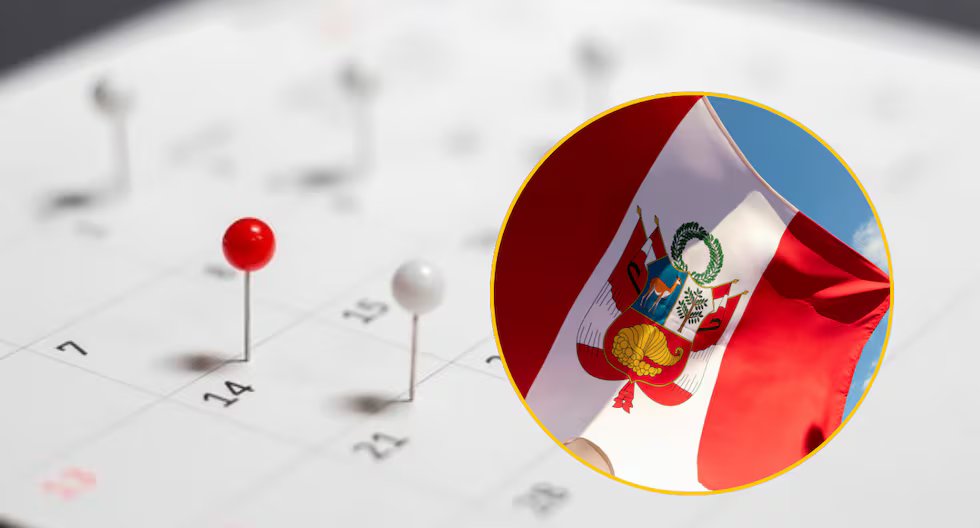
According to the national calendar, the next mandatory holiday in our country is Friday, May 1 due to the celebrations for the Labor Day. In this way, both public and private sector employees will be able to enjoy an extended three-day rest period at the national level, when combined with Saturday and Sunday, which will allow Peruvians to get away, once again, from the busy work or academic routine. It is important to mention that this anniversary commemorates the struggle of workers to obtain fairer working conditions, and is granted as a day of rest for employees in various fields. Below, we present the other official holidays for 2026:
- Friday, May 1: Labor Day
- Sunday, June 7: Battle of Arica and Flag Day
- Monday, June 29: Saint Peter and Saint Paul Day
- Thursday, July 23: Peruvian Air Force Day
- Tuesday, July 28: National Holidays
- Wednesday, July 29: National Holidays
- Thursday, August 6: Battle of Junín
- Sunday, August 30: Saint Rose of Lima
- Thursday, October 8: Combat of Angamos
- Sunday, November 1: All Saints’ Day
- Tuesday, December 8: Immaculate Conception
- Wednesday, December 9: Battle of Ayacucho
- Friday, December 25: Christmas.
On days considered holidays, the employee will have to rest and receive their usual remuneration. Although, normally some agree to work those days, without subsequent substitute rest, so they have the right to receive triple payment. Regarding non-working days, it is only aimed exclusively at workers in the country’s public sector.
This day is considered a business day, and compared to a holiday, the hours not worked must be compensated in the following ten days, or on the date determined by the head of each public entity, based on its own needs. While in the private sector, non-working days are voluntary, so it will be up to the employer and workers to agree on how the recovery of the hours stopped working will be effective, taking into account that, if an agreement is not reached, the employer will decide.