
Given the imminence of an El Niño phenomenon at the end of 2026, the president of Naturgás, Luz Stella Murgas, stated the need to have new terminals to import natural gas and guarantee the supply of national demand.
In addition, he assured that it is essential to accelerate the execution of 10 strategic projects that would increase the national supply, given that All sector indicators have remained downward in recent years.
“The gas problem in Colombia is not a lack of resources, but the delay in the entry of projects. We need to join forces and make decisions on time,” said the union leader.
READ ALSO

President of Naturgás, Luz Stella Murgas Photo:Naturgás
Why has gas production not recovered and continues to hit historic lows?
In addition to the decline in production from the fields, natural gas reserves have also decreased. Besides, Exploratory activity has decreased: in 2012, 330 wells were drilled, but in 2025 we closed with 31. All indicators additional to production have shown the same downward trend.
We need to reverse that trend and The only way to do this is by increasing the supply of natural gas, which in turn will allow us to have competitive prices for all Colombians.
To achieve this, we need to accelerate the execution of strategic projects, both national production and import and transportation infrastructure, so that natural gas can be connected to demand throughout the national territory.
The gas problem in Colombia is not the lack of resources, but the delay in the entry of projects. We need to join forces and make decisions in time to develop the potential we have and supply demand in a timely manner.
READ ALSO
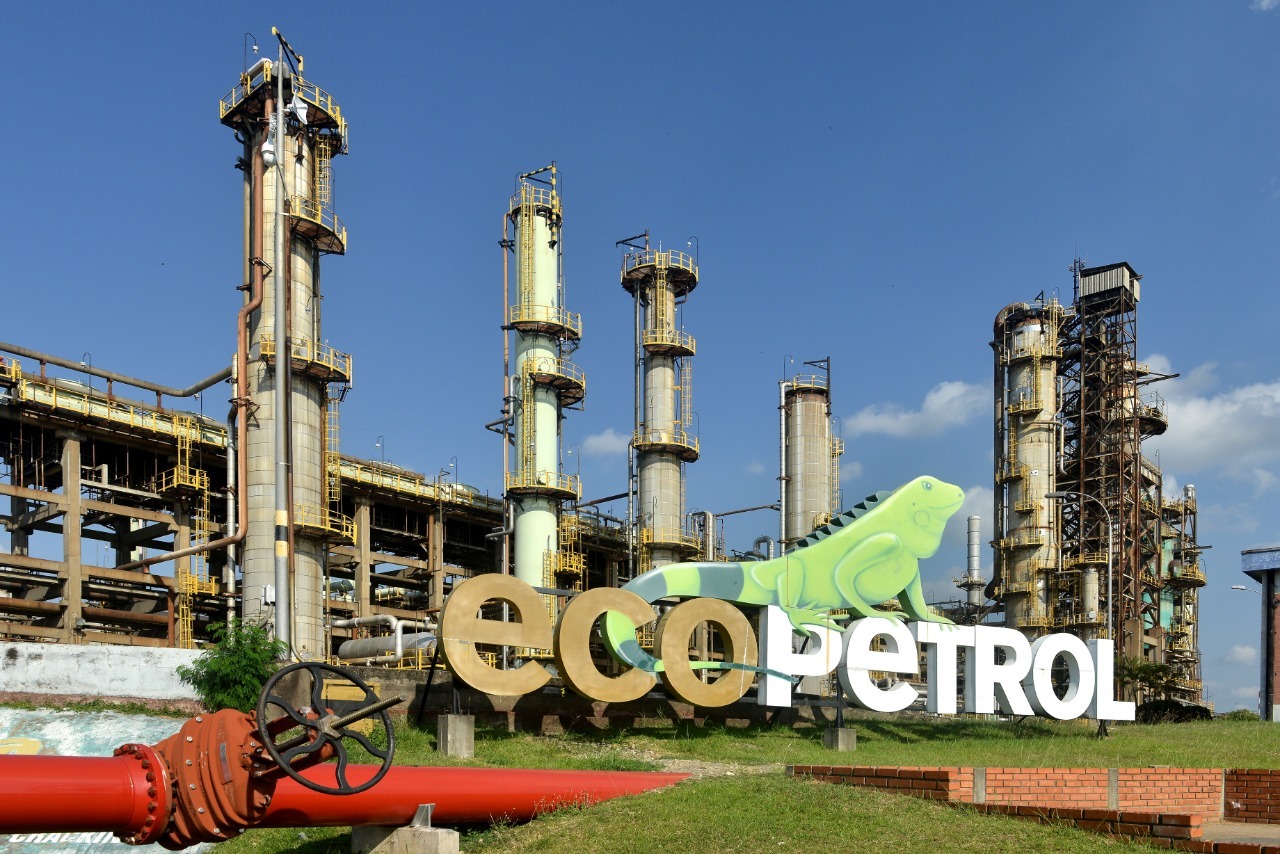
Photo:iStock
Why are those projects taking longer?
It is due to delays in prior consultations required for environmental licensing, as well as in the procedures and authorizations before other entities and institutions.
Exploration and production projects take time by nature; Therefore, any bottleneck that shifts the schedules to the following years represents a delay in the guarantee of supply.
We do not require a diagnosis because we are already overdiagnosed. We have identified the projects, the bottlenecks and the entities responsible for unblocking them. What is missing is joining forces to generate a consensus around treating these initiatives as if they were of national interest.
These strategic projects should have legal certainty, economic incentives, stable tax rules, institutional articulation and a single window to expedite permits and authorizations.
Natural gas is not only required to support electric power generation, especially during an El Niño phenomenon, but to guarantee the social transformation of families that still cook with firewood, as well as for industry and transportation.
READ ALSO
Photo:iStock
Is it difficult to recover gas self-sufficiency?
Colombia has a important gas potential in continental areas, mainly in the departments of Córdoba and Sucre, as well as in the south of Cesar and the north of Santander.
We still have resources in the Eastern Plains, which have supplied us for decades, and we have recently added discoveries in the Caribbean Sea. Among them stands out Sirius, a discovery that alone could supply 45 percent of national demand.
Colombia’s problem is not the lack of resources, but the delay in the entry of projects. In that order of ideas, what we need is produce more national gas and, simultaneously, have new infrastructure to increase imports.
Imported gas has not only avoided the suspension of service in the short term, but also represents a commitment to long-term reliability. It is essential to avoid interruptions due to any unforeseen technical or operational event in the system.
Will these imports continue to increase in the coming months?
Today, Colombia imports 21 percent of the total demand, both thermal, residential and industrial. The potential that we have identified can yield results in the short, medium and long term.
Each molecule of domestic gas that we produce is one less molecule that we must import; however, We need to execute the projects immediately to reduce this dependence on imports.
READ ALSO

Cartagena Regasification Plant Photo:Squid
Can gas rates rise due to the war in the Middle East?
It is important to mention that the contracting of imported gas was closed before the conflict and covers the supply until May. If the war in the Middle East continues beyond this month and we have to go out and buy gas again, It is very likely that international prices affect the cost in Colombia.
What are we seeing in the projections? In the immediate term, Reference prices in both Europe and Asia have increased by more than 40 percent, because these markets depend mainly on Qatar. With attacks on Qatari infrastructure, expectations of shortages sent prices skyrocketing.
However, Colombia imports mainly from the United States and Trinidad and Tobago. Our reference price is the Henry Hub, which has remained stable (at $2.7 per million BTU) as there are no signs of shortages at this time.
With the regulations issued by the Energy and Gas Regulation Commission (Creg) a few months ago, companies are betting that the new imported gas contracts are long-term to have better stability and more reasonable prices.
Are new national gas contracts expected to expire in November, as has happened in previous years?
There is still a remainder of some contracts, but they are very few compared to those that expired in November 2024 and 2025. Between now and November contracts for 156 GBTUD expire, which are equivalent to 30 percent of current firm hiring.
This is because, Although we are now acquiring gas in the short term, We came from a three-year purchasing scheme.
READ ALSO
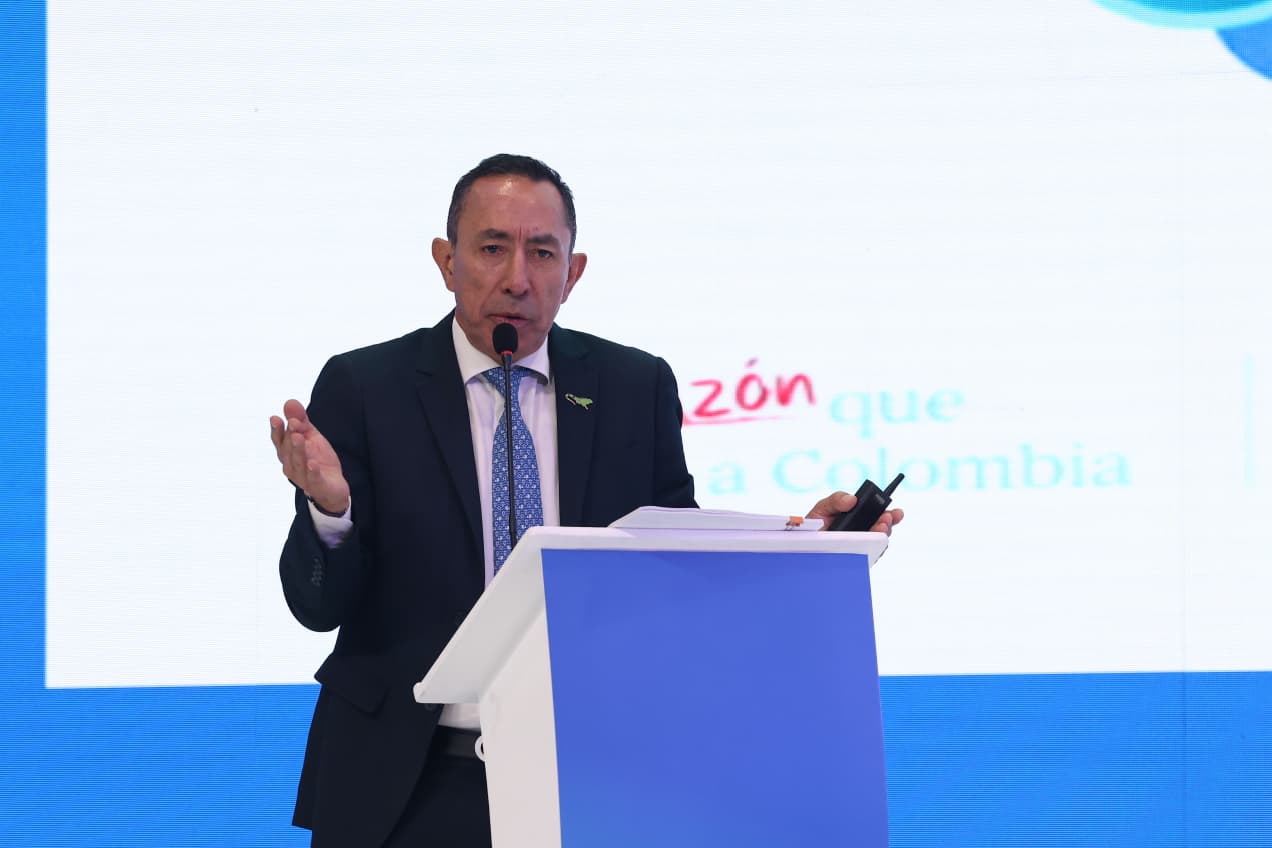
Photo:iStock
Is there enough gas for thermal plants to operate normally during the El Niño phenomenon?
During the 2023-2024 El Niño phenomenon, 30 percent of the energy Colombians consumed was generated with natural gas. This shows that this resource It is the most effective backup in times of abnormal water conditions.
For the upcoming El Niño we need to expedite projects that increase supply, so that gas is available both for electricity generation and for homes, businesses, industry and vehicles.
Since 2016, the thermal plants have imported the gas they need through the Cartagena regasification plant; However, from December 2024, self-sufficiency for essential demand was lost because firm local production is insufficient.
Therefore, it is necessary that this year – or at the latest at the beginning of 2027 – new import infrastructure comes into operation. Only in this way will we be able to meet the needs of thermals during El Niño and guarantee the supply of the rest of the national demand.
How many new regasification plants will begin operating during this period?
The start-up of the Ecopetrol regasification plant in the Pacific is expected this year, in addition to other projects that have been announced for the end of 2026 and beginning of 2027.
What do you think of the companies that are using coal again due to the lack of gas in Colombia?
When natural gas loses competitiveness, the transition does not advance, but rather regresses. What is happening is that, given this lack of competitiveness, 16 percent of large industries have switched to more polluting fuels, such as LPG and coal. This represents a silent retreat from the energy transition.
Natural gas does not compete with the energy transition, it makes it possible. In that order of ideas, we urgently need to add more gas volumes for the market to react and prices go down; Whenever there are signs of shortages, costs rise.
What must be done is to increase the supply to regain competitiveness. Only then will the industry return to a low-emission fuel, allowing the country to advance its decarbonization goals and meet its commitments against climate change.
READ ALSO
President of Naturgás, Luz Stella Murgas. Photo:Naturgás
What should be the next government’s priorities regarding natural gas?
At the Naturgás Congress, which will take place from April 15 to 17 in Cartagena, we will have a comprehensive conversation about natural gas, but also about the mining-energy sector and the issues that afflict the country.
There the fundamental economic and legal aspects will be addressed for restore confidence to the investor and make the large investments viable that future projects require.
The priority of the next government must be to unblock the bottlenecks that have delayed the entry into operation of strategic projects to guarantee supply in the short, medium and long term.
From Naturgás we have identified 10 initiatives in exploration, production, import and transportation that would allow us to add the gas necessary to guarantee a reliable, safe and competitive supply.