The Colombian Association of the Pharmaceutical Industry (Ascif) presents this Wednesday, April 29, Datascif, a strategic analysis report that draws a comprehensive x-ray of the Colombian pharmaceutical market. The document, which will be officially launched in the One Sky Room of the Suites Hotel Tequendama, brings together figures from Dane, the Drug Price Information System (Sismed) and Invima records, and builds with them a diagnosis that combines signs of strength in the sector with structural alerts that, according to the union, require urgent attention from public policy.
READ ALSO
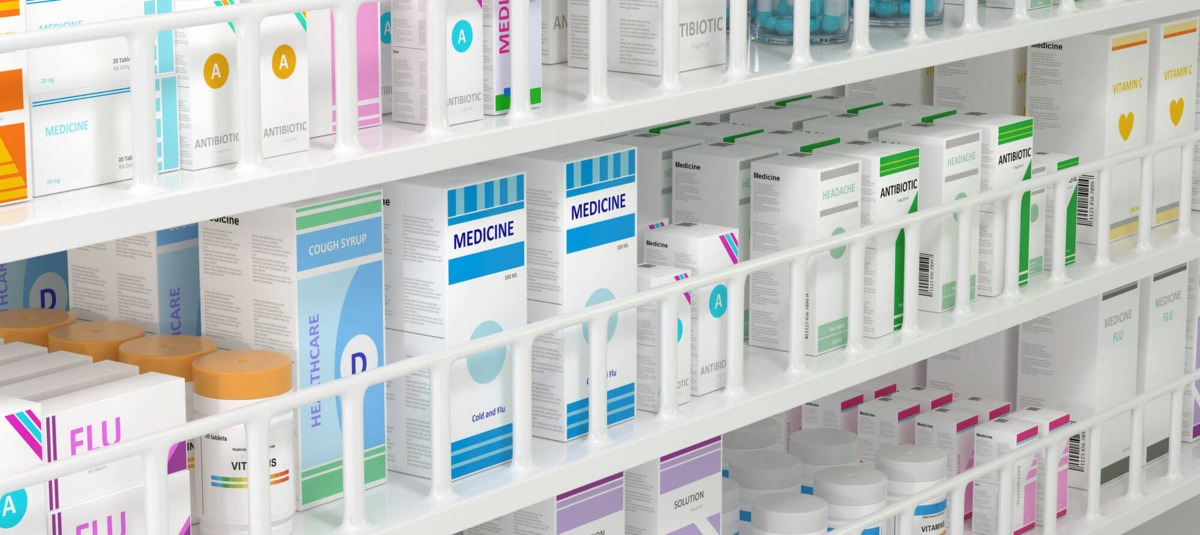
Colombia imports nine times more medicines than it exports. Photo:iStock
The market grows in pesos, but households bear more
Despite the widespread perception that the delivery of medicines has decreased, the total value of the Colombian pharmaceutical market grew by 10.07% between September 2024 — when it reached 28.8 billion pesos — and September 2025, when it reached 31.7 billion pesos. The sector, measured in value, is not contracting: it is expanding. The problem is who pays for that expansion.
Per capita out-of-pocket spending on medicines went from 91,200 pesos in 2021 to 108,000 pesos at the end of 2024, an increase of 18.4% in just four years. And in certain essential therapeutic categories, the increase is significantly greater. Pain relievers—led by acetaminophen and its combinations—grew nearly 34% in values during that period, largely as a result of delivery difficulties by the health system and the constant need for pain management.
Anti-inflammatories, such as ibuprofen, naproxen and meloxicam, grew by around 25%. And oral antidiabetics—chronic medications that millions of Colombians consume continuously—registered increases of more than 79%, reflecting both the sustained increase in the prevalence of diabetes in the country and the economic burden that this disease represents for households.
The report also details the behavior of oral serums, intravenous solutions and intestinal anti-inflammatories, categories that registered the greatest growth dynamics, with expansions of more than 545% in sales in the commercial channel, attributed to the increase in gastrointestinal diseases and home care trends. Together, the five groups that most pressure out-of-pocket spending represented 30.2% of commercial channel sales in 2025.
The Colombian pharmaceutical industry produces 62% of the country’s medicines.
Photo:Diego Caucayo. THE TIME.
A trade balance that reveals external dependence
The foreign trade chapter of the report confirms a reality that has progressively worsened over the last decade. Colombia’s pharmaceutical trade balance went from a deficit of USD 1,823 million in 2015 – when imports totaled USD 2,332 million compared to exports of USD 509 million – to a deficit of USD 3,534 million in 2025, with imports that reached USD 3,950 million and exports that, far from growing, fell to USD 416 million.
The year 2021 made this fragility even more visible. In the context of the Covid-19 pandemic, pharmaceutical imports approached USD 4 billion to respond to the health emergency, while exports remained stable, revealing the country’s vulnerability to interruptions in the international supply chain.
READ ALSO

Between 2021 and 2025, a relevant change was also recorded in the ecosystem of pharmaceutical plants. The number of foreign facilities with access to the Colombian market rose to 581, compared to the existing 97 national pharmaceutical plants. Mexico, Argentina, Brazil and China lead the presence of plants certified by Invima, while Chile, Peru, Uruguay and Paraguay gained ground with approved plants, diversifying the offer but also intensifying competition for local production.
The national industry: engine of volume, but lagging behind in value
The central paradox that Ascif describes is the following: the Colombian pharmaceutical industry contributes 62% of the units circulating in the national market, but only captures 29% of the value. That is, it produces most of the medicines that Colombians consume, but receives less than a third of the economic return from the sector.
This gap has widened over time. At the beginning of the decade, the national share of securities was around 34%; by September 2025 it had fallen to 29%. In units, the decline is equally revealing: the local industry went from contributing around 80% of the market units at the beginning of the decade to around 62% in 2025, pressured by the growing preference for imported products, especially in the institutional channel, where imported medicines concentrate more than 50% of the total market value.
Despite this context, the sector continues to be a pillar of formal employment in Colombia. In the last four years, the industry recorded sustained job growth of close to 6% annually, reaching 60,000 direct jobs, with more than 90% under indefinite-term contracts. More than 60% of these jobs are concentrated in Bogotá, while Antioquia and Valle del Cauca account for the remaining 20%. Furthermore, the sector contributes 12.4% of industrial GDP and activates a value chain that mobilizes sectors as diverse as logistics, storage, commercial distribution, specialized services, infrastructure and education.
There are 12,800 pharmaceutical procedures stored in Invima. Photo:iStock
Regulatory damming: 12,800 pending procedures
One of the most striking findings of the report is the volume of procedures dammed up in Invima: as of March 2026, the entity recorded 12,800 applications pending resolution. The report details that the evaluation of a health registry to manufacture and sell a chemically synthesized medicine took, in October 2023, an average of 2.4 years without pharmacological evaluation, a figure that was reduced to 1.6 years with pharmacological evaluation by August 2024. Minor risk quality modifications took 7 months; those with moderate risk, 11 months; and major changes, up to 16 months.
The report recognizes, however, that Colombia is moving towards more agile regulation. Invima and the Ministry of Health and Social Protection lead institutional transformation initiatives, including the “Invima Ágil” platform, aimed at digitizing the management of procedures and reducing response times.
The report also reveals where demand is moving. The medicines with the greatest participation in new health registries in 2025 correspond to molecules for cardiometabolic, oncological and immunological diseases. Rivaroxaban – for pulmonary embolism – topped the list with 33 new registrations, followed by metformin (24 registrations, for type 2 diabetes) and dapagliflozin (20 registrations, also for diabetes).
READ ALSO

Further back, apixaban, mycophenolate mofetil (for prevention of transplant rejection), abiraterone (for prostate cancer) and levetiracetam (for epileptic seizures) appear. The signal is clear: the Colombian pharmaceutical market is evolving at the pace of the epidemiological profile of the population, with a growing demand for highly complex therapies and greater clinical value.
Colombians pay more and more for their medications and the system is not covering them.
Photo:iStock
A tool to turn data into decisions
“Datascif seeks to convert data into decisions. We want to show with figures how the national industry contributes to the country, but also warn about the risks that Colombia’s supply, access and health autonomy faces today,” said Clara Rodríguez, executive director of Ascif.
For the union leader, the figures of this first edition are an invitation to gather around the national pharmaceutical industry with two specific objectives: protect users, who must allocate more and more resources from their own pockets to acquire essential medications, and support an industry that is committed to formal employment and is willing to contribute to the construction of tools that guarantee the sustainability of the health system and overcome regulatory delays.
EDWIN CAICEDO
Environment and Health Journalist
@CaicedoUcros