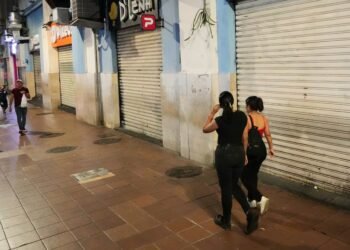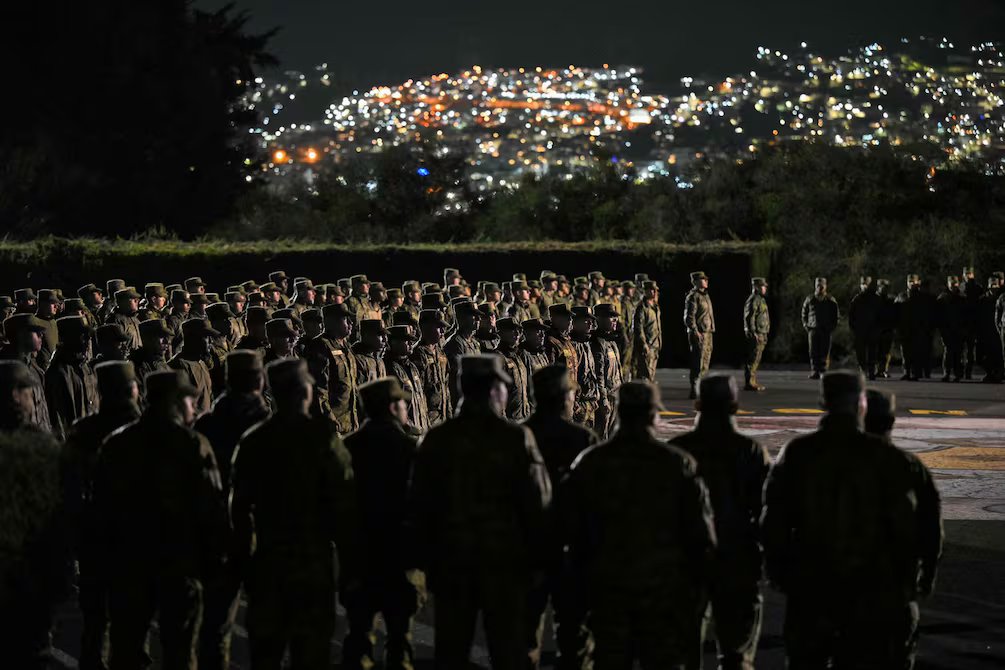
A part of Ecuador came in at 11:00 p.m. Sunday in a new curfew.
The restriction includes nine provinces and four municipalities: La Maná (Cotopaxi), Las Naves, Echeandía (Bolívar) and La Troncal (Cañar).
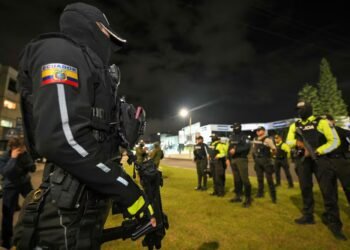
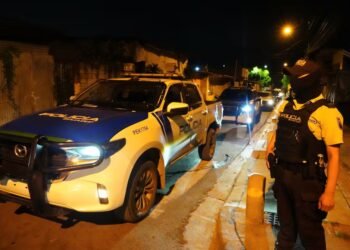
Since before curfew, police and military They moved to conflictive areas of these localities.
These territories, where Quito and Guayaquil are located, the two largest cities in the country, concentrate the 90% of violence and 86.70% of the crime recorded nationwide, according to official data.
Military and police deployment in conflict zones
The deployment started at installed control points. There, the agents checked the vehicles that were circulating in search of weapons, explosives or people required for Justice.
While, police and military They raided hot zones to carry out planned raids.
The Ministry of Defense indicated that more than 38,000 soldiers They intensify control, security and territorial presence operations throughout the country before the start of the curfew.

During this period, the Armed Forces will carry out operations focused on locating and destroying military objectives linked to criminal structuresclose illicit routes and regain control of strategic areas, indicated that State portfolio.
He Military High Command It will supervise all operations from the territory, with permanent presence, direct coordination and immediate response capacity.
Government objectives and background of the measure
With the new curfew, the Government seeks to intensify operations against criminal gangsto which he attributes the escalation of violence.
This is the second time this year that the president Daniel Noboa implements this measure, after 2025 closed with a record of homicides, recording 9,269.
The first occasion was between March 15 and 30 and it was applied only in the provinces of Guayas, El Oro, Los Ríos and Santo Domingo de los Tsáchilas.
During this year, the Government has indicated that violent deaths have decreased, but are needed more actions to continue reducing homicides. In March, violent deaths decreased by 28% nationwide after the first night curfew. (YO)