Havana/The Supreme Court of Masonic Justice of Cuba expelled eight members of the Order, including two former grand masters, accused of fraud, embezzlement, perjury and “betrayal of the Fraternity and its Institutions.” The decision attempts to close one of the most turbulent chapters of Cuban Freemasonry, marked by the disappearance of funds, a long dispute for power and complaints of interference by the regime.
The decision was communicated through Special Circular 15 of the Grand Secretariat, dated June 5, as reported CubaNet, a medium that claims to have had access to the document. The resolution has not been published in its entirety by the Grand Lodge of Cuba.
The list includes former grandmasters Mario Alberto Urquía Carreño and Mayker Filema Duarte, as well as Airam Cervera Reigosa, Jesús Martínez Frómeta, Igor Larramendi Ador, Juan Carlos Yero Ramos, Juliannis Galano Gómez and Rancell Montero Romero.
The ruling also sanctioned the group that supported Mayker Filema during the conflict for control of the institution
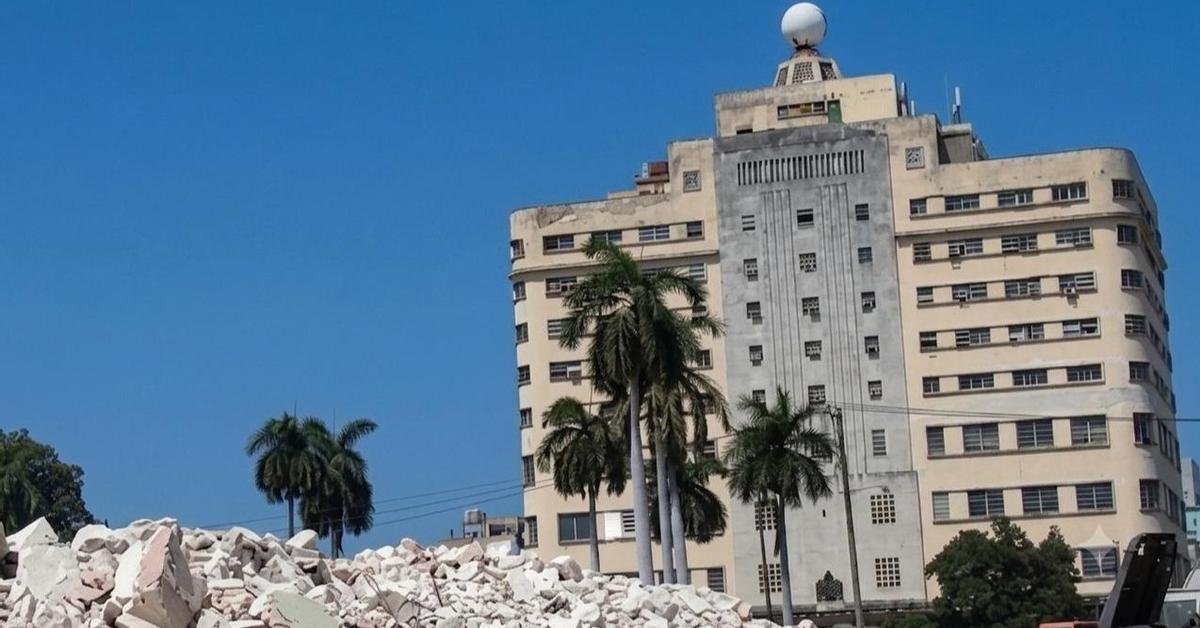
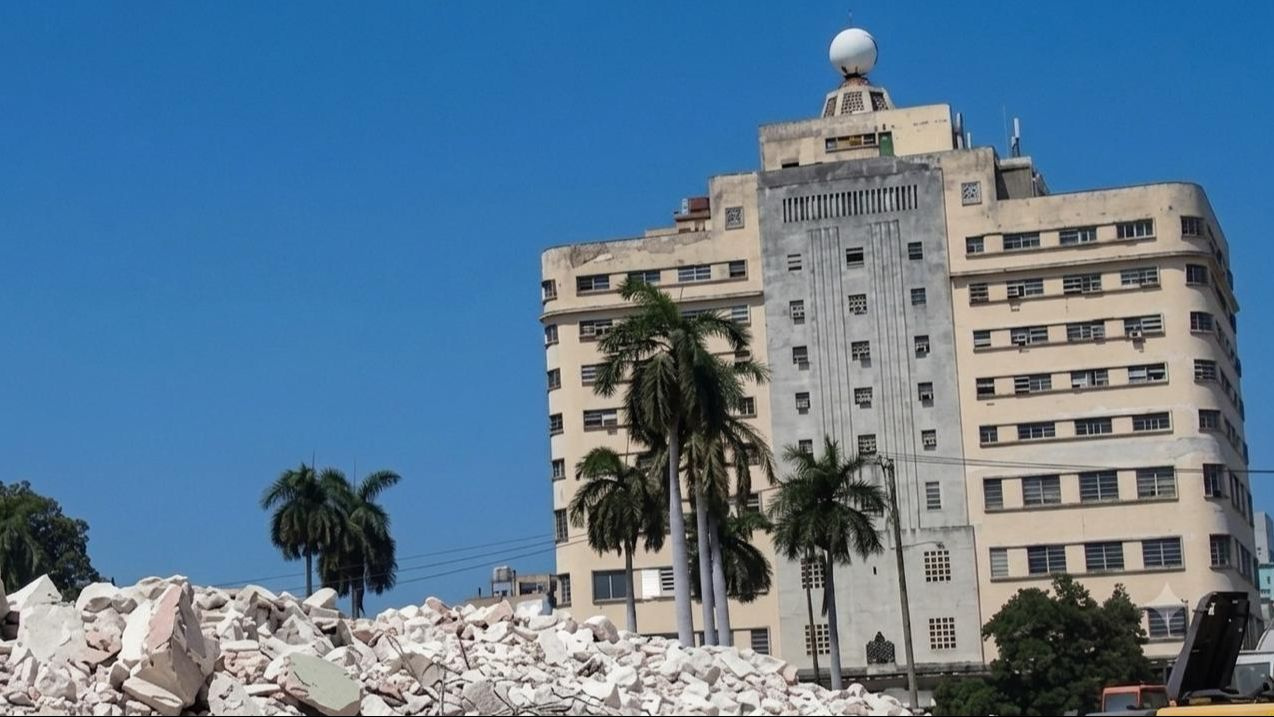
Urquía and Cervera, former Grand Treasurer, were found responsible for “abuse, fraud and embezzlement of Masonic properties or funds.” The scandal that ended up dragging them down began in January 2024, when $19,000 disappeared kept in the office of the then Grand Master, in the building of the Grand Lodge of Cuba, located on the Havana corner of Belascoaín and Carlos III.
The subsequent review of the accounts revealed irregularities amounting to approximately five million pesos, including the alleged falsification of invoices and the manipulation of accounting documents. The money was returned during 2025 in several installments, although the restitution did not prevent the process from continuing within Masonic jurisdiction.
The ruling also sanctioned the group that supported Mayker Filema during the conflict for control of the institution. The Court considers that Filema illegally remained in office, blocked the holding of elections and used disciplinary bodies to punish lodges and members who questioned his authority.
The ruling describes what happened as a “coup attack that curtailed electoral democracy” and ensures that the crisis led the Grand Lodge into “unprecedented chaos.” “It is necessary to banish from our symbolic Freemasonry any hint of a dictatorial position or those that support it, because this is an existential threat to Freemasonry,” the document states.
The Court considers legitimate the actions of those who entered the property to restore institutional order
Filema had been “irrevocably” dismissed by the Upper House in May 2025, but refused to leave his post and continued to have the recognition of the Ministry of Justice. “I’m not going to resign,” he declared then, while describing the session in which his departure was decided as illegal.
The dispute reached one of its most tense moments on July 6 of that year, when more than a hundred Freemasons tried to enter the national headquarters to participate in a meeting called by Filema. Between pushes and while singing the Bayamo Anthem, the protesters forced access to the building and demanded freedom for the Grand Lodge.
The Court considers legitimate the actions of those who entered the property to restore institutional order. During the struggle, Jesús Martínez Frómeta, one of those now expelled, was accused of spraying alcohol on the faces of several Masons who were trying to advance.
Among those sanctioned is also Rancell Montero Romero, former president of the Supreme Court of Masonic Justice itself. During the Filema administration, Montero participated in the suspension of more than a hundred lodges and in the trials against critical members, among them the Sovereign Grand Commander José Ramón Viñas Alonso and the writer Ángel Santiesteban Prats.
The complaints of the Freemasons have long been aimed at the Ministry of Justice and State Security
Montero was expelled for perjury, malicious theft or disappearance of documents and abuse of office. Igor Larramendi, Juan Carlos Yero and Juliannis Galano were considered accomplices in the maneuvers that allowed Filema to retain control of the institution.
For Sergio Alfonso Vidal, one of the Freemasons who denounced the irregularities, the decision constitutes “an act not only of justice but of reparation.” In his opinion, those expelled “shamelessly violated their oaths” and acted at the service of interests outside the fraternity.
“They were part of what, without a doubt, was not only an accumulation of ambitions, but the service of outdated men in the shadow of a political power that used them to persecute Freemasons within the same institution,” Vidal declared to CubaNet.
The Freemasons’ complaints have long been directed at the Ministry of Justice and State Security. Critics accuse the authorities of having supported Urquía and later Filema, despite the rejection of numerous lodges and the decisions of internal bodies.
None of the eight expelled have so far offered a public response to the new ruling. Their appeals within the procedure were declared without merit, although the decision must still be ratified by the Upper House during its semiannual session scheduled for September. Until then, they will remain disenfranchised and will not be able to participate in lodge activities.