Jail for paternity fraud in Panama: the law will allow deceived men to claim the biological father and annul paternity at any time, regardless of how many years have passed.
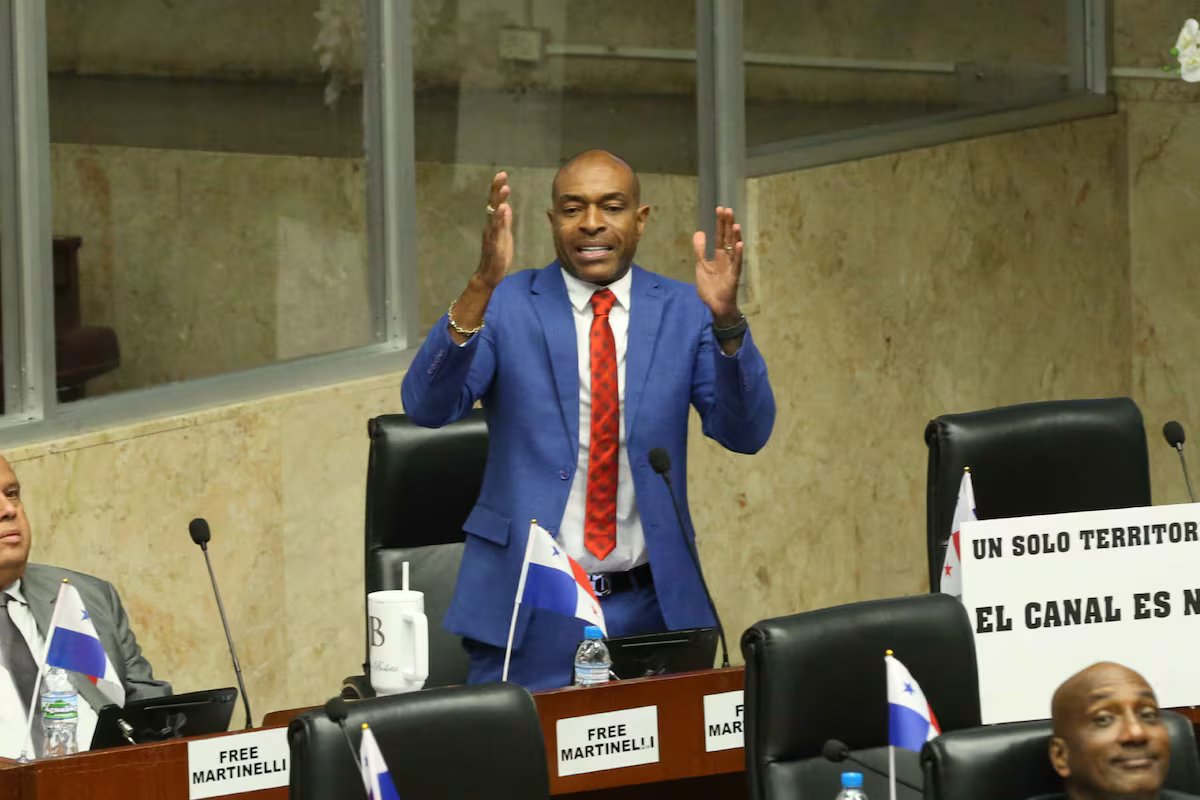
Paternity fraud is about to become law of the Republic. Project 510 was approved in the third debate during the night of Tuesday, April 29, on the eve of the closing of sessions of the second period of the National Assembly.
The legislative initiative creates a specific legal framework to punish what it defines as paternity fraud. According to the proposal, this occurs when a man is induced, through deception or concealment, to recognize as his son a minor who is not biologically his, or to maintain this deception with economic or moral consequences.

The project establishes that the action to challenge paternity will not prescribe when there is fraud. This opens the door for a person to go to court without a time limit, even years after having recognized the minor, as long as they prove that they acted under deception.
DNA
The proposal also establishes evidentiary rules. The judge must order scientific DNA testing in all cases. If either party refuses without justification, the court may consider that refusal as an indication against them.
When a court declares fraud, the sentence will have direct effects. For example, the Civil Registry will cancel the affiliation, the future legal obligations of the affected person will cease, and the minor will maintain his or her right to claim his or her true biological identity.
The norm also incorporates an economic recovery mechanism. The affected man may sue the biological father if he knew of his paternity and allowed the deception.
You may be interested in: National Assembly will debate the bill to punish paternity fraud with prison in Panama
Jail
At the criminal level, the project introduces the crime of paternity fraud in the Penal Code. Behavior carries penalties two to five years in prison and fines of between 100 and 500 days.
However, the penalty increases if the deception extends for more than five years, if it involves more than one minor or if it generates repeated economic benefits.
The text includes a protection clause for minors. The declaration of fraud does not affect your fundamental rights or your access to State protection.
The deputy Jairo Bolota Salazarof the Democratic Revolutionary Party (PRD), presented the proposal on January 19, 2026 as draft 333.
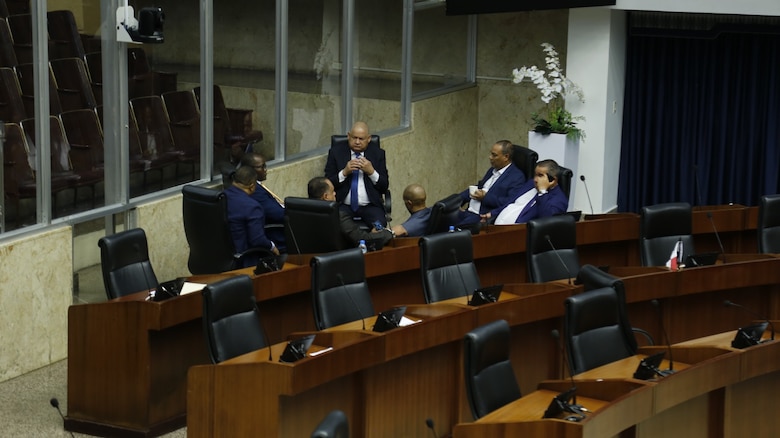
In his explanatory statement, he stated that Panama’s legal system lacks direct regulation on this type of deception and that current tools, such as challenging paternity, are insufficient in cases in which the biological truth is known years later.
Salazar stated that the project seeks to correct a legal loophole and prevent fraud from consolidating over time. He also defended criminal classification as a deterrent mechanism against conduct that affects the family, assets and legal security.
In the Government Commission
The discussion in the first debate took place in the Government, Justice and Constitutional Affairs Commission of the National Assembly, the legislative body that presides Luis Eduardo Camachofrom the ruling party Realizing Goals (RM).
During the discussion, Salazar explained that the initiative does not target women or the family, but rather against the behavior of deliberately deceiving.
He also indicated that he opted for sentences of up to five years after discarding more severe proposals that he considered disproportionate.

The criticisms
However, this speech did not resonate with women’s groups who warn that the initiative relies on prison as the main response to a conflict of a family nature, which could aggravate the impact on the minors involved. They affirm that an eventual conviction against the mother would open the possibility of family separation and would add a new trauma for the boy or girl, who is already facing the discovery of his or her biological identity.
They also question the effectiveness of this route in a prison system that operates with high levels of overcrowding and structural limitations, and consider that the initiative prioritizes sanctions over alternatives for reparation or mediation.
Now the president of the Republic José Raúl Mulino You must decide whether to sanction it or veto it.