The possible impact of the El Niño phenomenon is already on the table in the planning of the Panama Canal.
This was confirmed by the Minister for Canal Affairs, José Ramón de Icaza, when he warned that the forecasts point to an event that could be “severe” in 2026, with a possible arrival between May and June.
De Icaza explained that, from the board of directors and through the Water Resources and Compatibility Committee, climate projections are constantly monitored.
The official indicated that, for now, water conditions offer some room for maneuver.
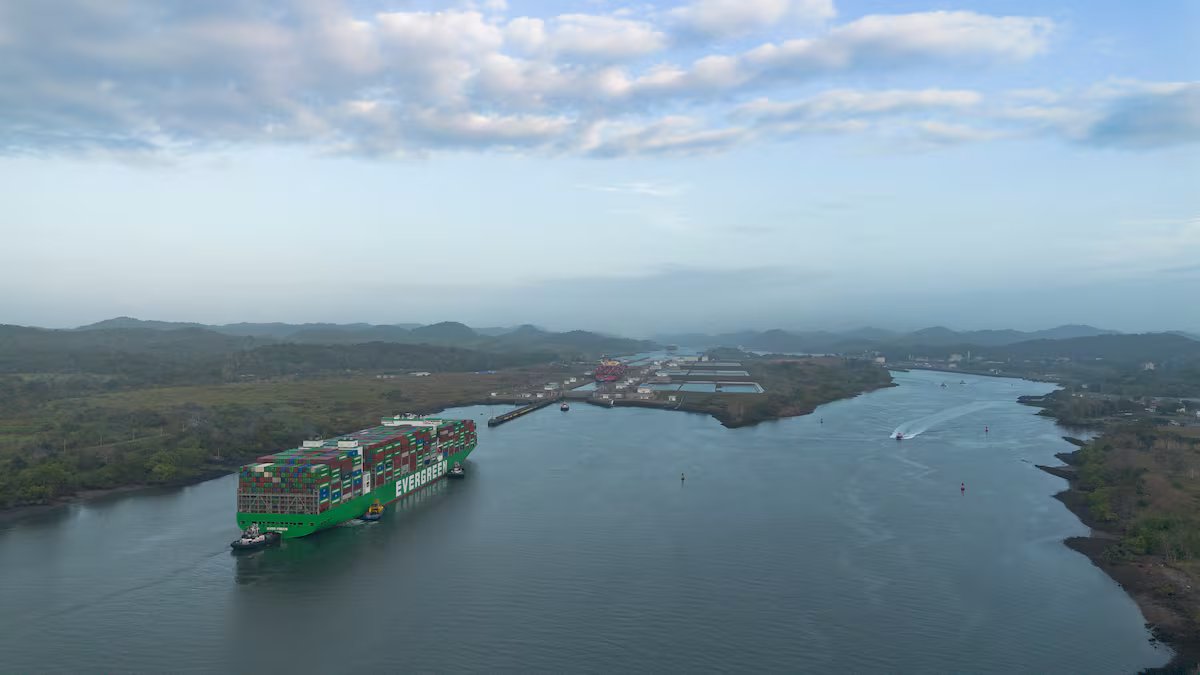
He explained that the level of Gatun Lake—key for the operation of the interoceanic waterway—is at 85.9 feet, close to its maximum operating level of 89 feet within the guide curve. “We feel at this moment that we have an adequate level of the lakes,” he stated.
According to ACP records, for this Tuesday, April 28, the level of The Gatún reservoir is located at 85.8 feet, while the Alhajuela reservoir reaches 241.2 feet.
However, De Icaza warned that the behavior of the phenomenon will be decisive for the coming months. “It will depend a lot on how severe and prolonged the effect of El Niño is,” he stressed.
Previously, Eric Córdoba, Canal Meteorology manager, had reported that the Gatún and Alajuela reservoirs remain at levels close to their ideal values. As detailed, currently all water demands are met, including the supply of drinking water, ship transit and hydroelectric generation when necessary.
The current monitoring occurs in a context of high climate vulnerability. The study History of El Niño in Panama from 1982 to the presentprepared by the Urban Risk Observatory of Florida State University, ESRI Panama and Metromapas, reveals that the country has experienced 12 El Niño events in recent decades, of which five have been especially devastating.
The chronology highlights the 1982–1983 episode, cataloged as a “Meganiño,” which caused the first major crisis in the Canal reservoirs, in addition to severe damage to coral reefs. Added to this was an increase in diseases such as diarrhea, malaria and dengue, associated with the use of contaminated water and hot conditions that favored the spread of viruses.
More recently, in 2023, Panama faced one of the worst droughts in more than 70 years, aggravated by the combination of El Niño and global warming, which directly impacted the availability of water for human consumption and Canal operations.
The study also warns of a progressive deterioration in the recovery capacity of ecosystems. According to the Vegetation Index (NDVI), 74.8% of the subwatersheds present moderate stresswhich indicates that the vegetation fails to recover completely between one event and another.