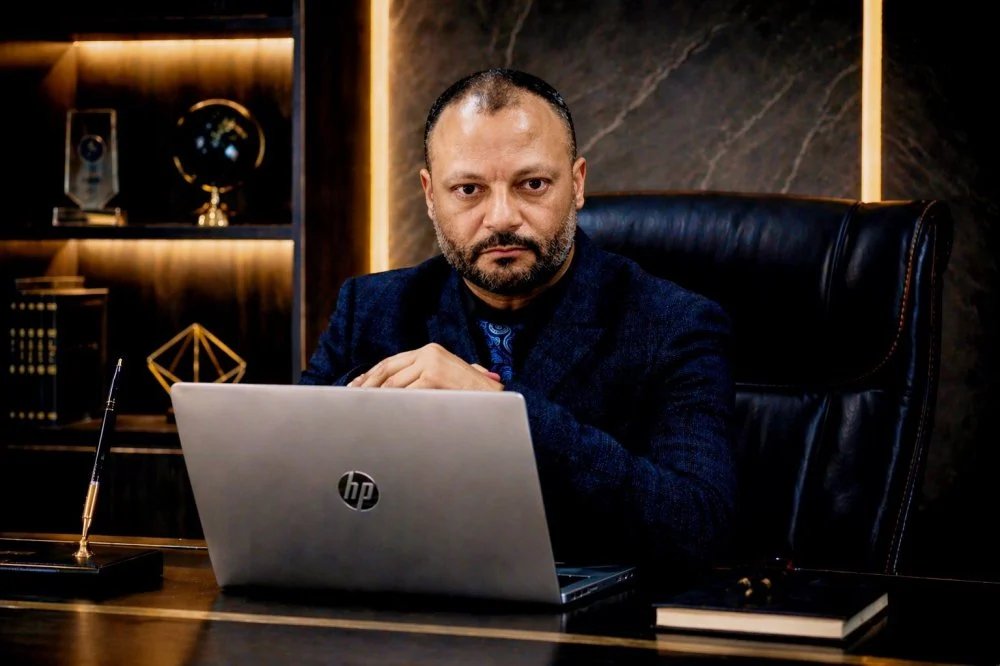
Le Matin: How do you analyze the debate sparked by a tense scene in a family show like “Lalla Laaroussa”?
Mohammed Houbib: This debate goes well beyond the framework of a simple controversy surrounding a television program. It questions the responsibility for content broadcast on a public channel, especially when it is a program presented as family-friendly and followed by different generations. The problem is not showing that a couple can go through disagreements, because conflict is part of every human relationship. What raises questions is the way in which these tensions are staged, exposed and sometimes transformed into an object of entertainment. When a program shows tense exchanges, hurtful words or attitudes of symbolic domination without critical distance or educational framing, it risks trivializing unhealthy modes of marital communication. It must be remembered that television does not just entertain. It also participates in the construction of social representations. In this specific case, it can influence the way in which the public, particularly young people, perceive the couple, married life, mutual respect and the management of disagreements.
Young people construct part of their representations of the couple from what they observe in their family, social, digital and media environment. Television shows, especially when they are popular, help to establish implicit images, models and sometimes norms. When the couple is presented primarily through tension, jealousy, provocation, competition or humiliation, it can give a distorted image of the marriage. That said, marriage then risks being perceived not as a space of partnership, responsibility, dialogue and respect, but as a balance of power exposed to the eyes of others. However, I would like to point out that we must remain cautious, because a broadcast does not mechanically produce a behavior, but it is the repetition of these scenes which can contribute to a form of normalization. The young spectator may end up believing that shouting, ridiculing the other, exposing their weaknesses or solving their problems in front of an audience are ordinary behaviors in a marital relationship. This is where the psychosocial risk lies.
In your conferences, you often emphasize the urgency of setting limits to the exposure of private life in the media!
Absolutely, and I start from the conviction that family intimacy is not a neutral material. When it is exposed in a media context, it changes its nature and it becomes a spectacle, an object of commentary and sometimes even of collective judgment. This can weaken the necessary boundary between what is private and what can be shared publicly. In a society like ours, where the family occupies a central place in the construction of identity, excessive exposure of marital intimacy can have several effects. It can trivialize intrusion into private life, encourage the spectacularization of conflicts and reduce the complexity of the marital relationship to emotional sequences intended to capture attention. The question is therefore not to ban or censor, but to call for editorial intelligence. A family program can remain attractive while promoting listening, mediation, apologies, respect and the constructive resolution of tensions. Public television has a particular responsibility: it must entertain, of course, but without weakening the educational and relational benchmarks of families and young people. The danger is not only in showing marital tensions, but in transforming them into a spectacle without offering the public the keys to understanding, distancing themselves and building healthier relationship models.