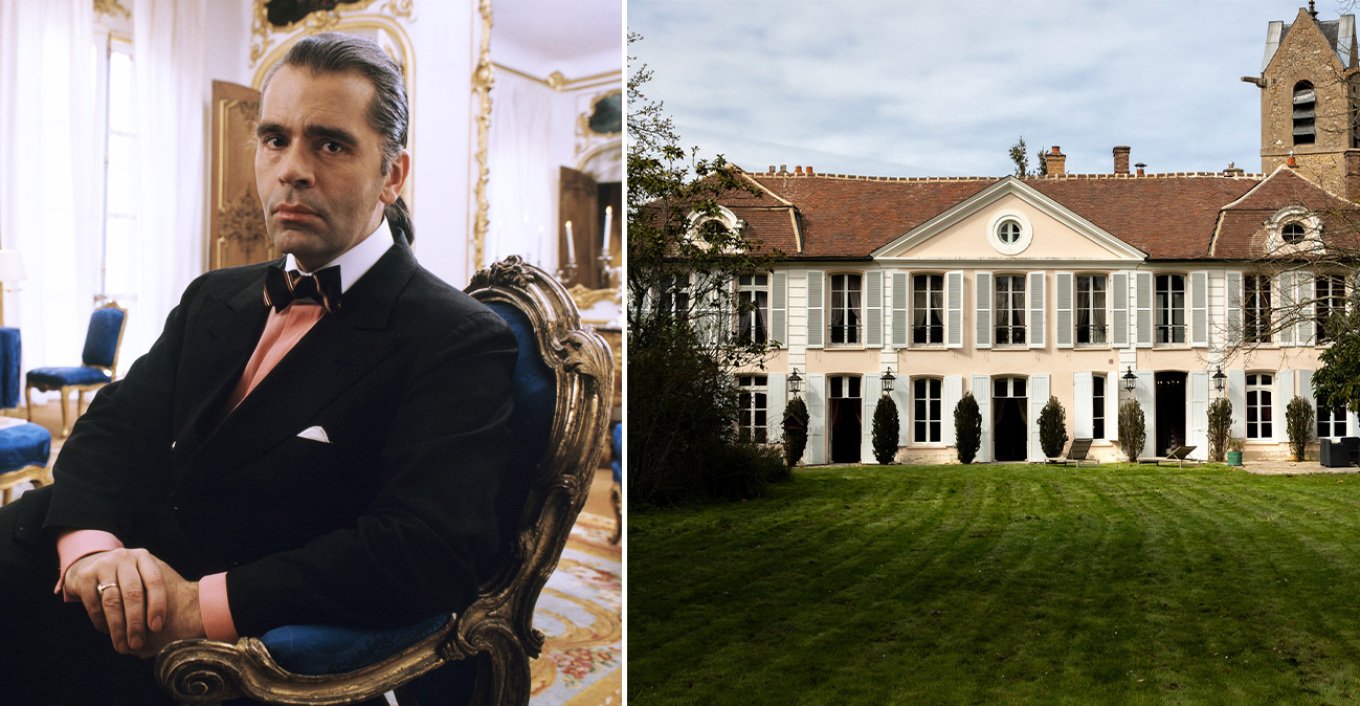
Just before sunset outside Paris, the Manoir du Mée seems to be changing pace. The light comes through the tall patio doors, spreads across the old wooden floors and slowly climbs the walls, as if following a path familiar for centuries.
It is easy to imagine him Karl Lagerfeld hurrying from one room to another in black glasses and black gloves, a pack of plans folded under his arm and baroque music playing low in the background.
The Manoir du Mée was never his best-known residence. It didn’t have the glitz of La Vigie villa in Monaco or the mythic aura of his Parisian apartment. It was something more private. A place where the designer could step away from the industry he changed forever.
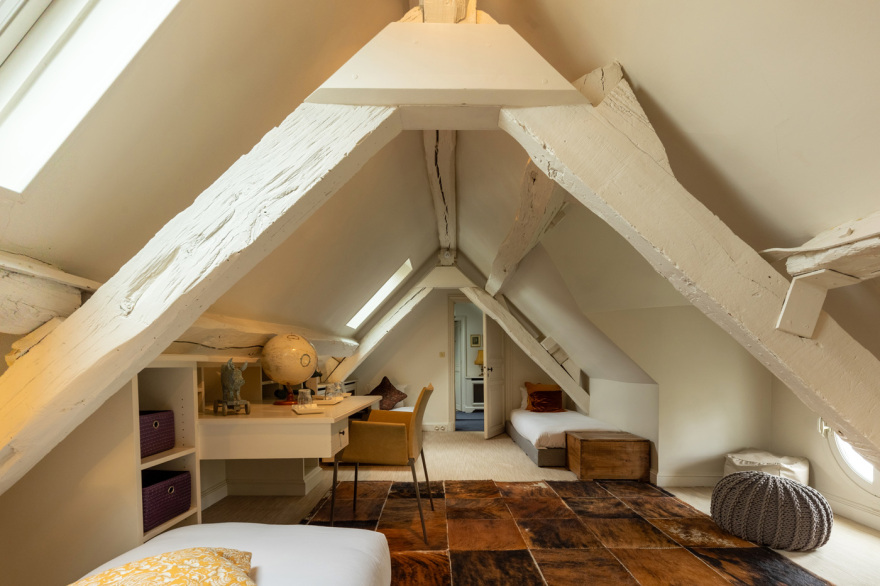
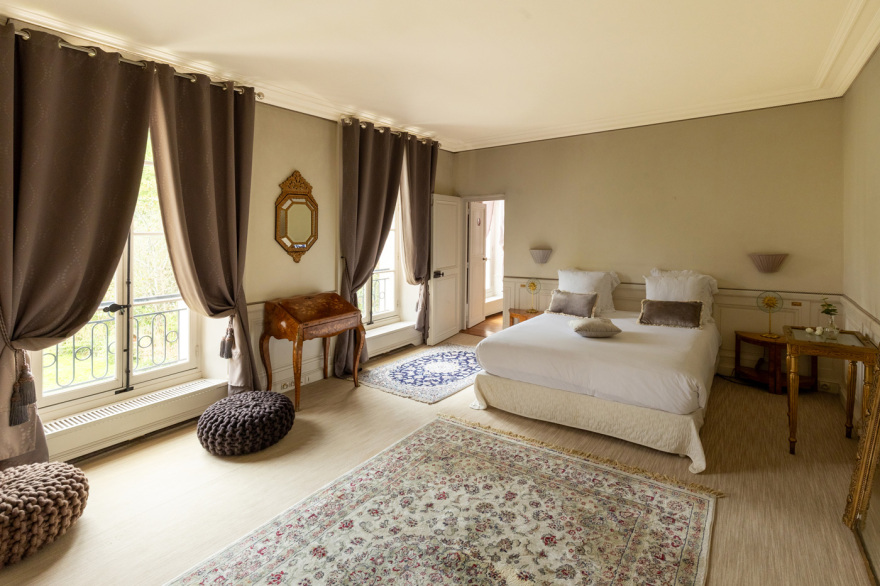
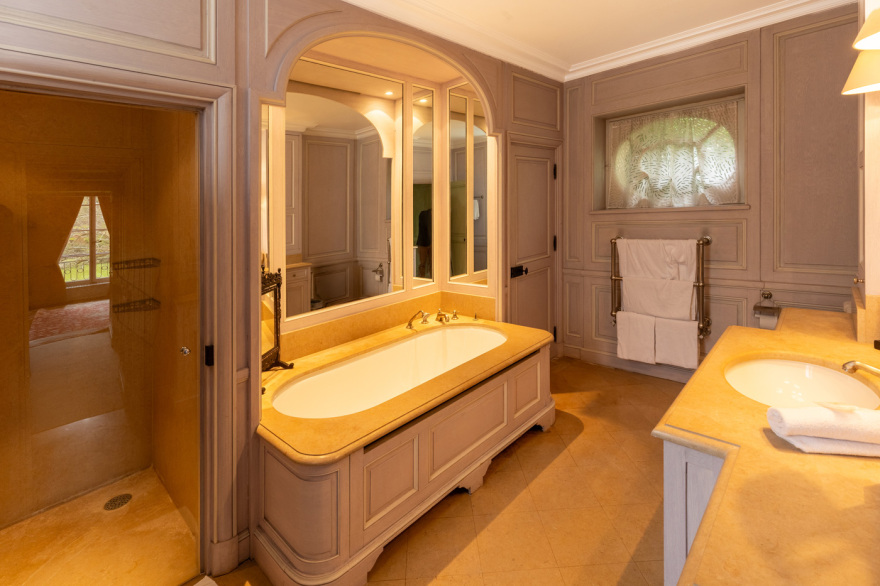
When he bought this house in 1986, his life was already in overdrive. A silent revolution had begun at Chanel, turning a historic house that was considered almost obsolete into a global phenomenon again. At the same time, he designed for Fendi, photographed campaigns, published books, collected objects and renovated houses with the same intensity that others change entire seasons in their lives.
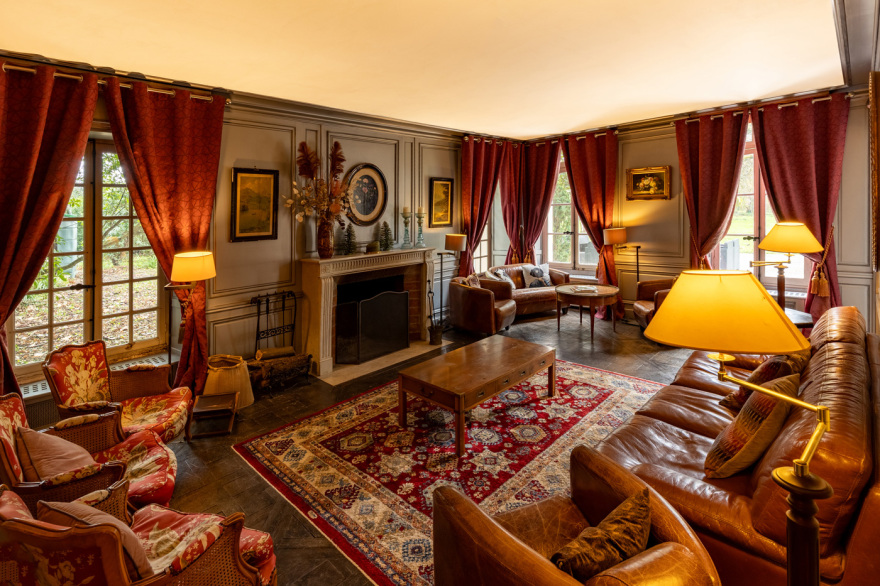
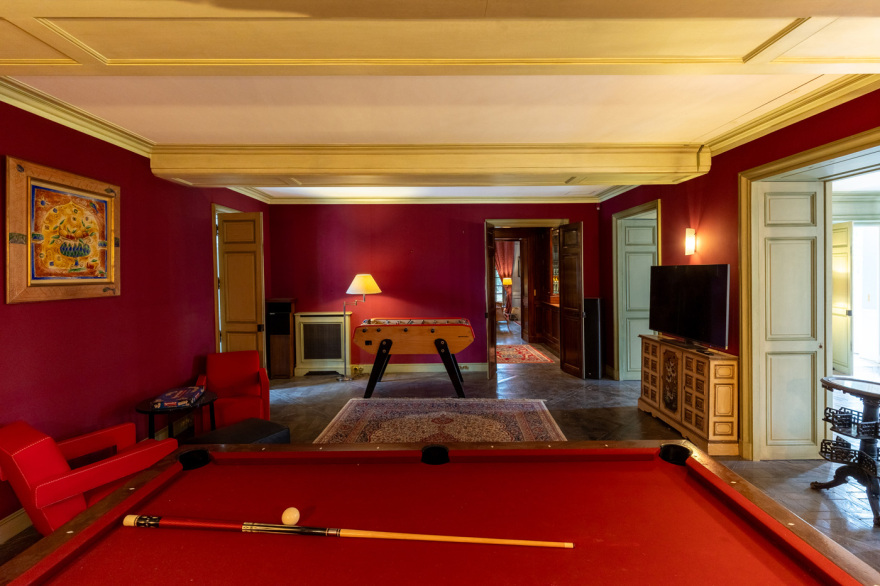
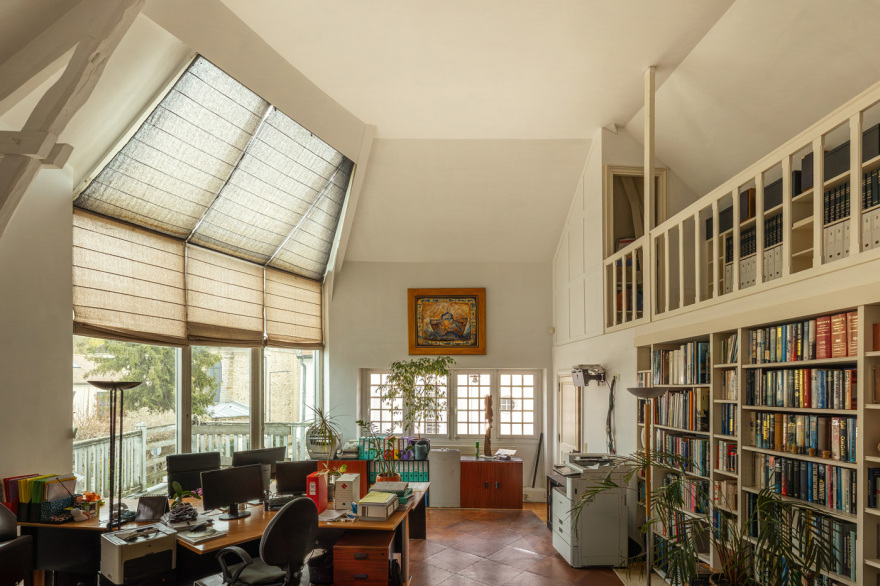
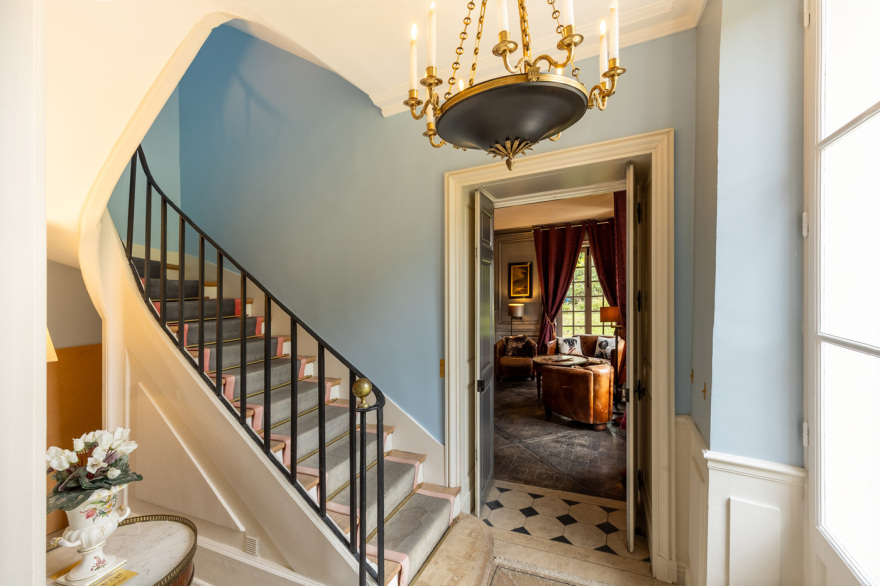
And yet, amidst all this constant movement, he chose a 1749 mansion in a peaceful village of Seine-et-Marne. Almost paradoxical for a man who loved both the future and the extravagant. Built decades before the French Revolution, the mansion has the strict symmetry of classical French architecture that feels reassuring without being boring. The spaces are large but not ostentatious. The proportions are correct. The corridors have something of the old french cinema and wooden surfaces reflect light in a way that is difficult to photograph. This is precisely what seems to have fascinated Lagerfeld. Manoir du Mée already had character.
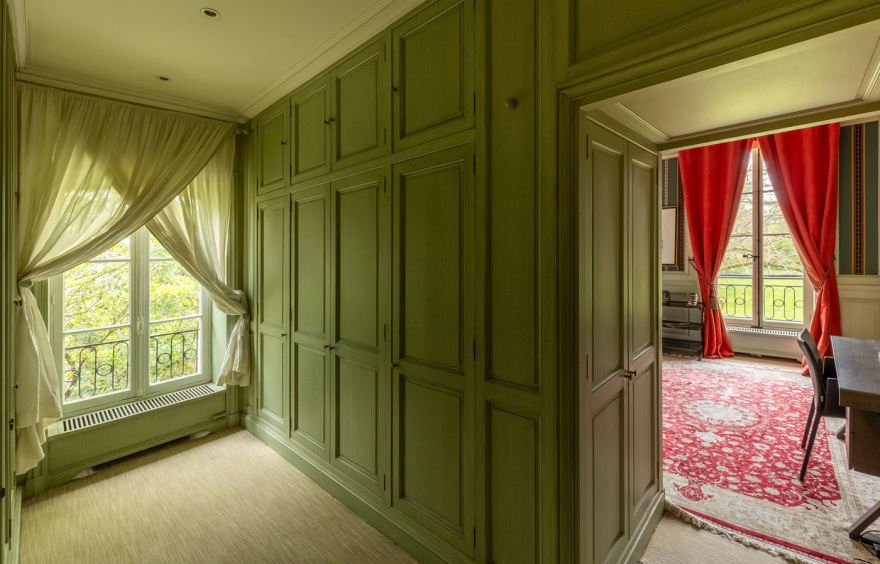
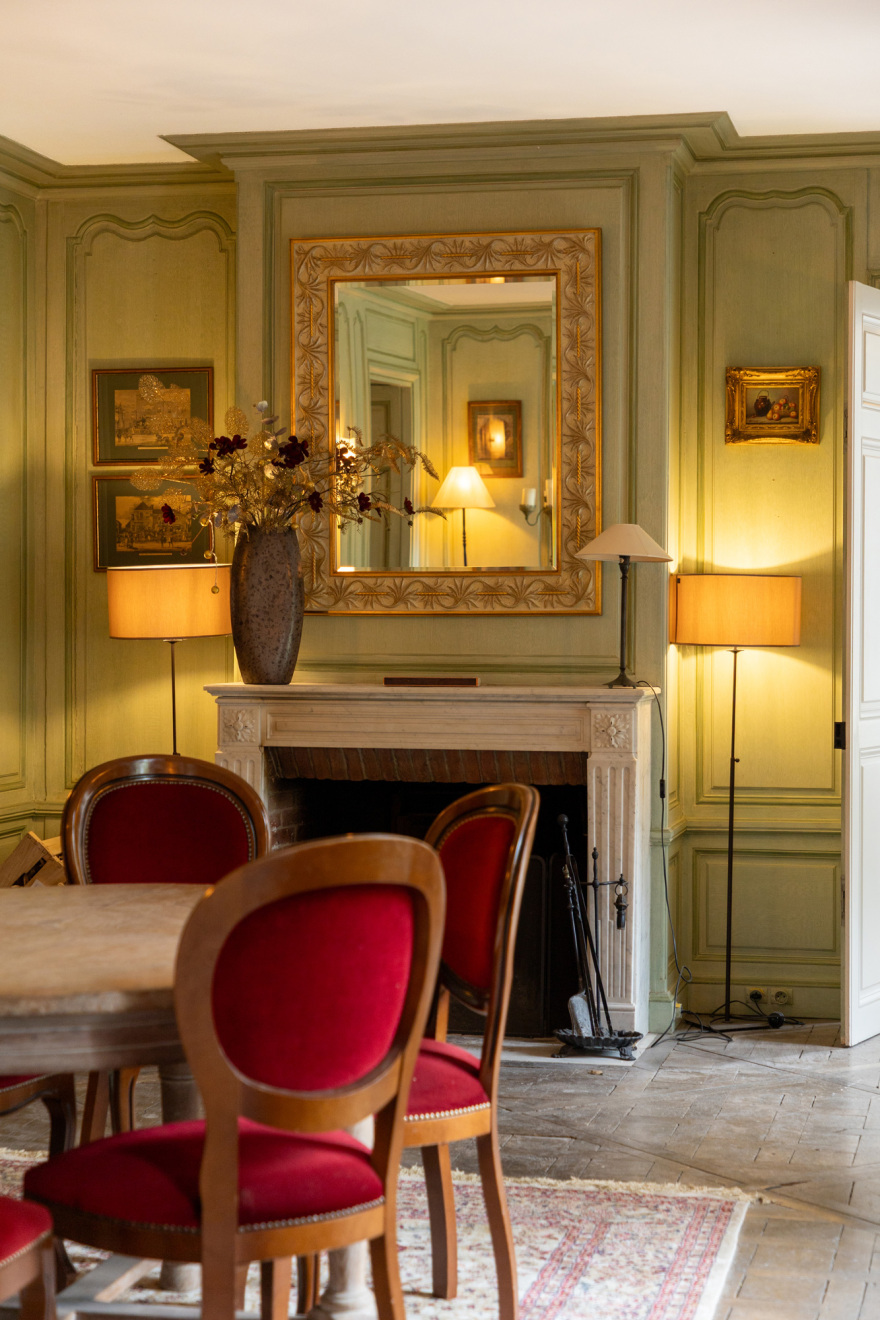
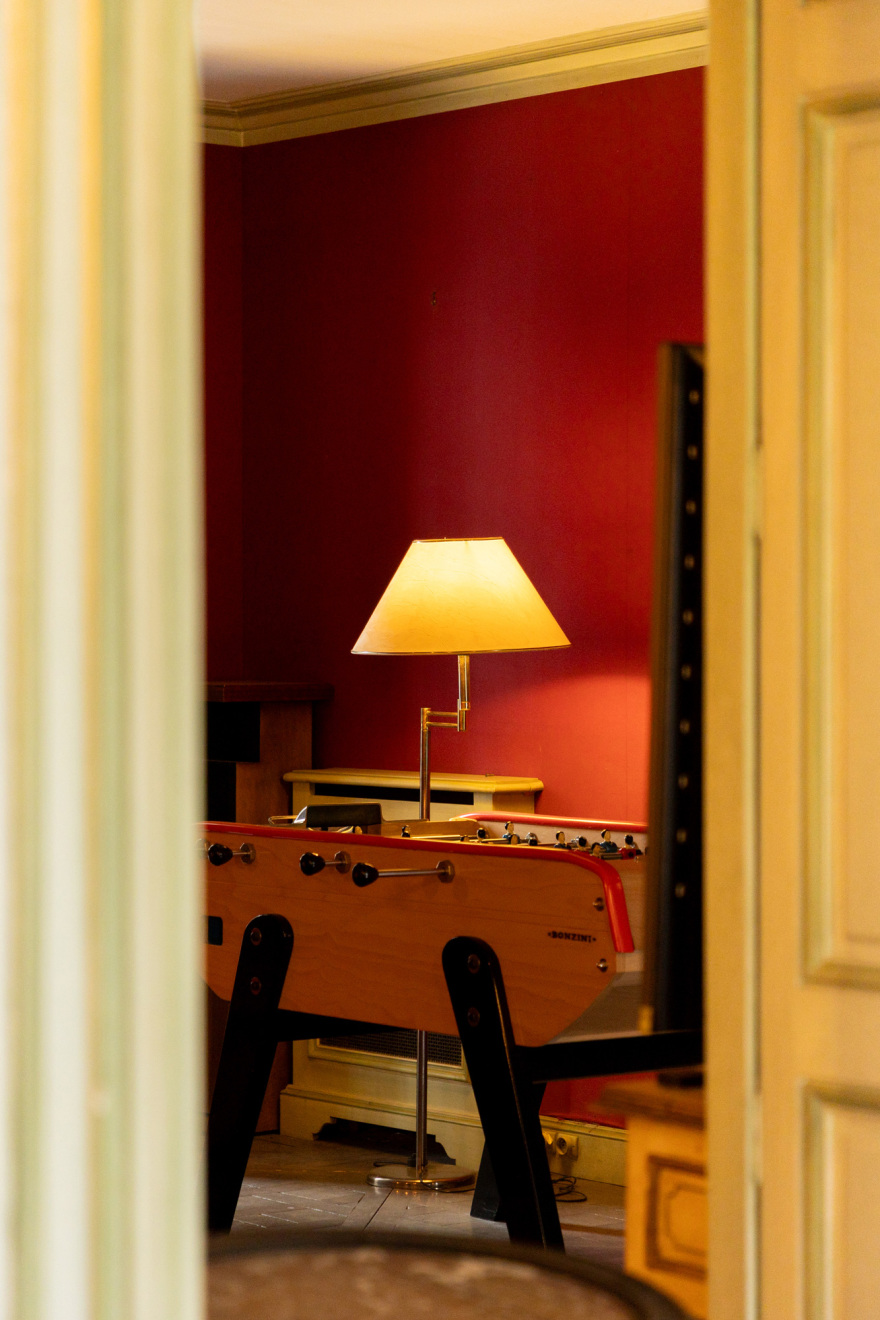
In the 80s, this mansion was turned into a creative workshop. Lagerfeld photographed Chanel campaigns here with Ines de la Fressange and Tatiana Patitz, using the rooms as backdrops that were not built for photography but for enjoying life. In an era before digital filters and excessive fashion direction, Manoir du Mée offered something much more difficult: atmosphere. The photographs from that period still have Lagerfeld’s signature aesthetic.
Models in huge pearls standing in front of marble fireplaces, white shirts in 18th century rooms, couture in spaces that looked like Versailles. He himself never treated fashion as something detached from architecture or interior design. For him everything was connected. And the interesting thing is that the house did not reflect the image that the world had of the creator.
Instead of dark luxury and dramatic gestures, Lagerfeld chose interiors that are almost light: white woods, mats, furniture inspired by the 40s and details that subtly refer to the 18th century. After he left the mansion in the late 1990s, the property passed into the ownership of Ernest Augustus of Hanover and later Carolina of Monaco. For years, his spaces were filled with family habits instead of fashion fittings and photo shoots. Charlotte Casiraghi went to school in the village, while the house took on an almost unexpectedly calm everyday life.
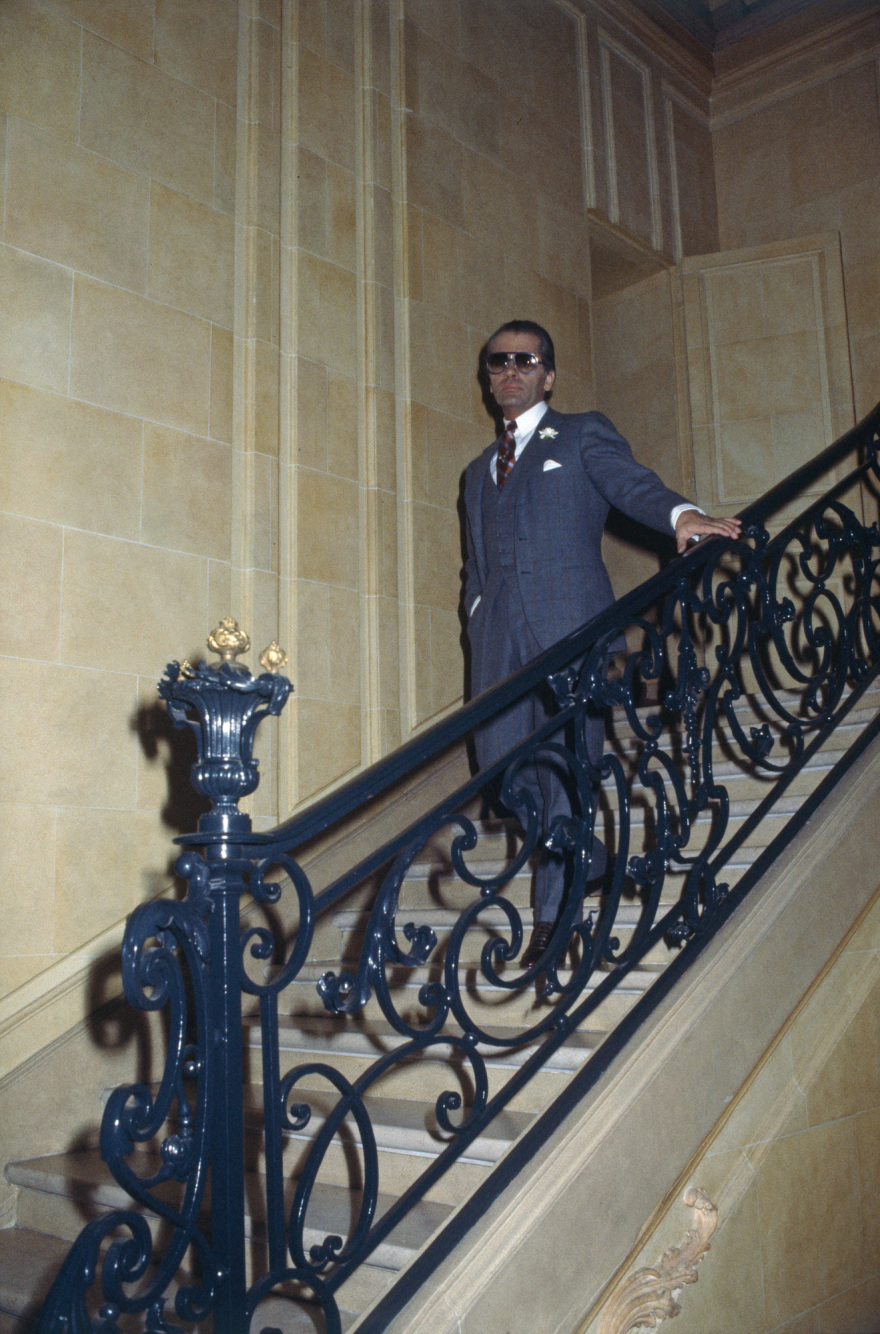
Today, Manoir du Mée is back on the market again. The sale has been undertaken by Alexi Feifanfounder of Paris Pyla, the real estate agency specializing in historic and special residences in France. In an age where most luxury properties seem designed solely for Instagram, this mansion still has shadows, silences and personality. And this is something that cannot be bought easily, even if its price reaches 2.7 million euros.
Matteo Merea mansion photographer, Pierre PERRIN/Gamma-Rapho, Pierre Vauthey/getty images/ideal image