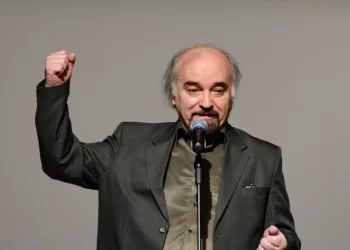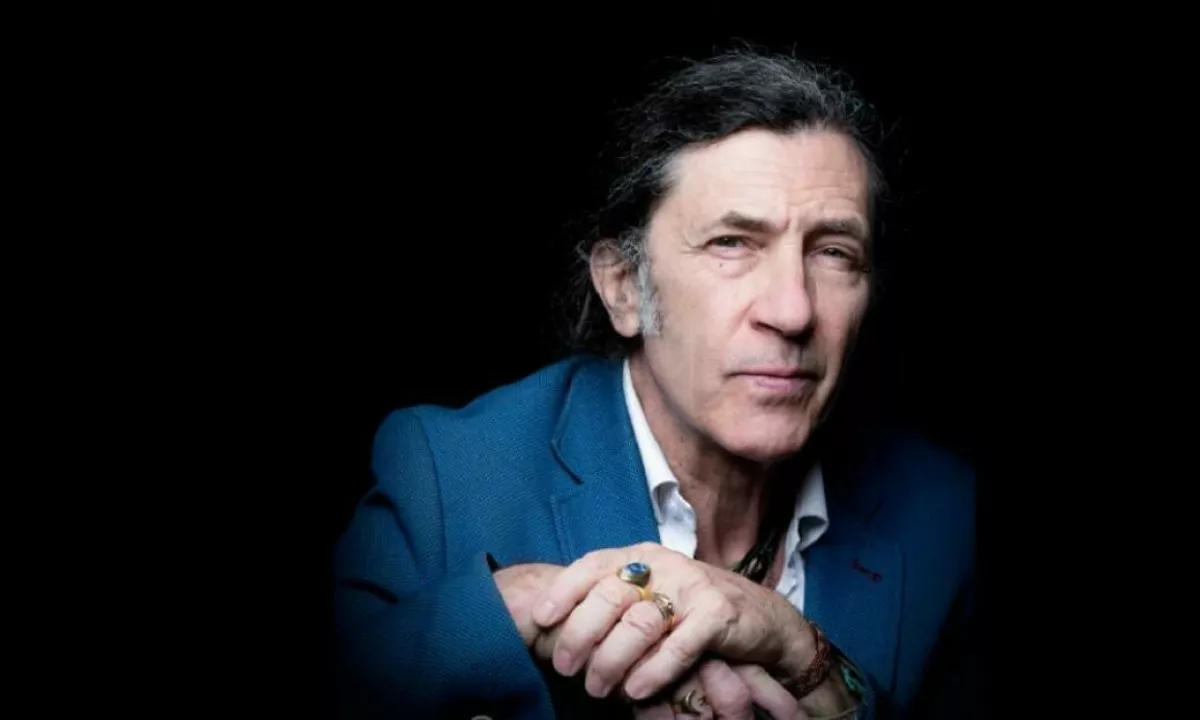
Jorge Pardo, a reference in jazz flamenco, is coming to Slovenia for the first time. Photo: CD archive
Jorge Pardo to kick off Noches de tablao
The new, jubilee, tenth season of the contemporary flamenco Noches de tablao cycle is starting at the CD Club. The first guest will be Jorge Pardo, one of the most important Spanish jazz musicians, who is coming to Ljubljana for the first time, and he is coming with his trio. The cycle is artistically curated by Urška Centa, dancer and musician.
Jorge Pardowho is coming to Slovenia for the first time, will soon be seventy years old, but he is still active in concerts. He is a legendary Spanish jazz musician, flutist and saxophonist who has worked extensively with Pacom de Lucioespecially in flamenco, but also with Chick Coreo, Vincom Mendoza and To Pat Metheny. “Pardo is a powerful reference in jazz flamenco, a genre that was formed in the 1960s,” he points out. Urška Centaartistic director of the cycle Noches de tablao. They still play in his trio Melón Jiménezthe famous Spanish-German guitarist, and Sabrina Romerodancer, singer and percussionist.
A special feature Noches de Tablao is that it does not present traditional flamenco, but looks beyond and looks for the latest European artistic projects that connect flamenco with jazz, contemporary dance, performance and experimental music. “Through this cycle, I’m trying to take flamenco out of all the stereotypes that have been attached to it, such as castanets, red dresses with frills and red roses in the hair, although it would probably be easier to fill the hall that way. I’m trying to point to a different aesthetic, through which you can see how universal, fluid flamenco can be; especially when it comes from authentic stage virtuosos who think with their own heads,” says Urška Centa.
In past years, the cycle has already hosted English, French, Uruguayan, Mexican, Austrian, Serbian, Bosnian, Croatian, American and Slovenian artists, “which nicely reveals the fact that flamenco is no longer just Spanish, Andalusian, Jerezan, Seville, Romani and so on. It is easy to own folklore, while no one can own the current art of flamenco. No one can own anything creative,” says the curator of the program, who herself graduated from two universities in Madrid in flamenco, and then at home in contemporary dance and choreography.
The program of this year’s cycle in the jubilee season will be fully known in the coming days. The cycle is created in Cankarjev dom in cooperation with the NEST Institute.