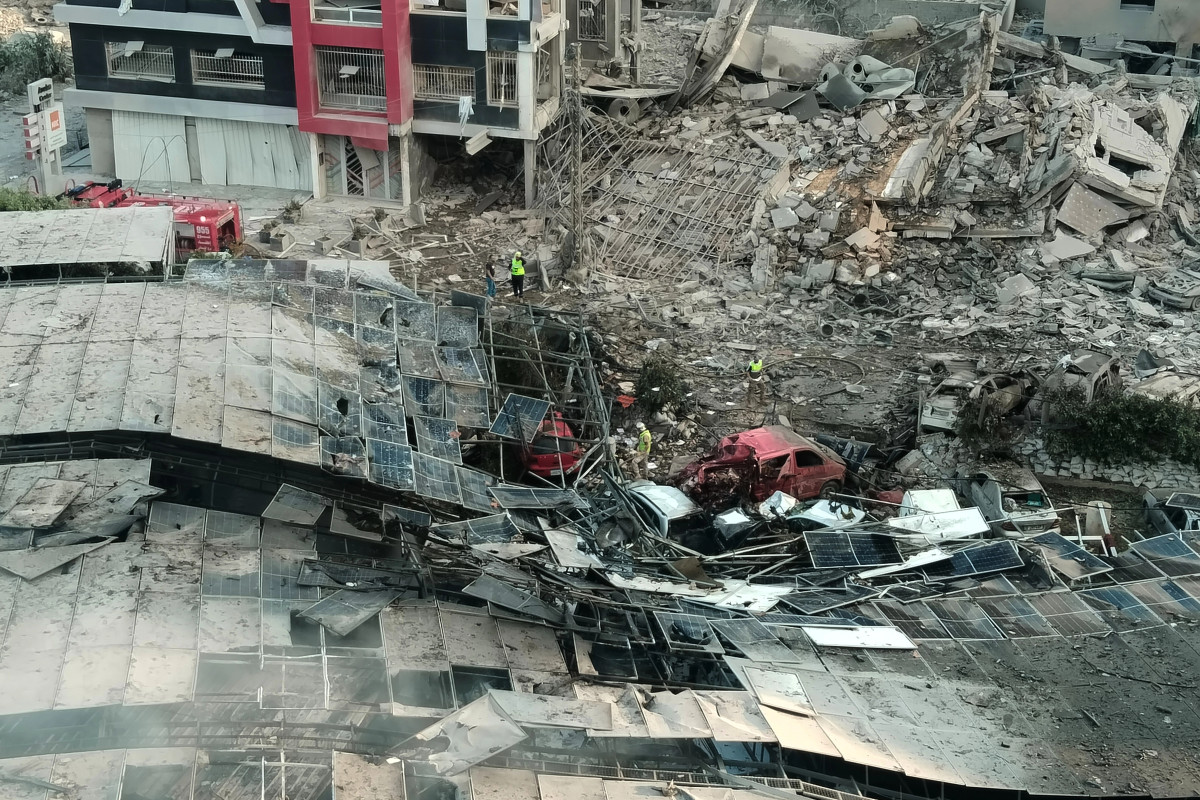
Iran has warned that Israeli attacks against Hezbollah in Lebanon could jeopardize Tehran’s cease-fire with the US, after Israeli Prime Minister Benjamin Netanyahu ordered attacks on the southern suburbs of Beirut, the BBC reports.
Iran’s Foreign Minister Abbas Araghchi said the deal with the US was “without a doubt a ceasefire on all fronts, including Lebanon” and that “violating it on one front is violating the ceasefire on all fronts”.
Earlier, Netanyahu said “terrorist targets” in Beirut’s Dahieh would be hit in response to missile and drone attacks by Iran-backed Hezbollah.
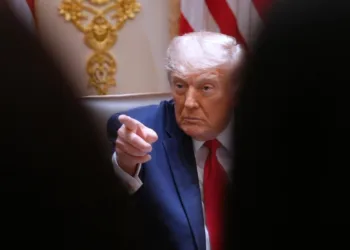
In later posts on social media, US President Donald Trump insisted that talks with Iran were proceeding at a “rapid” pace and said he had spoken to both Netanyahu and Hezbollah representatives through intermediaries.
“I had a very productive phone call with Prime Minister Bibi Netanyahu of Israel, and there will be no troops going to Beirut, and every troop that was on the way has already been turned back,” Trump said.
“Also, through high-level representatives, I had a very good phone call with Hezbollah and they agreed that all the shooting will stop – Israel will not attack them and they will not attack Israel.”
There was no immediate comment from Israel or Hezbollah.
Iran’s Tasnim news agency reported earlier that Tehran may suspend indirect negotiations with the US.
The news agency – which is affiliated with Iran’s Islamic Revolutionary Guard Corps (IRGC) – also said Iran and its allies would “activate other fronts, including the Bab al-Mandab Strait” at the entrance to the Red Sea.
Iranian authorities have not publicly commented on Tasnim’s report, but state television said the chances of the cease-fire with the US ending were high if Israel did not end its offensive in Lebanon.
A cease-fire between the US and Iran took effect on April 8, but it has failed to end the fighting.
The US has tried to separate events in Lebanon from negotiations with Iran, which has long provided Hezbollah with significant ideological, military and financial support and insists that any deal must include peace in Lebanon.
On Sunday, a US official said Secretary of State Marco Rubio had proposed to Netanyahu and Lebanese President Joseph Aoun a plan for “gradual de-escalation”.
The Israeli military has struck Beirut twice since the cease-fire between Israel and Lebanon took effect on April 16, most recently on Thursday. But this represents a reduction from the previous period, while reports say the White House has pressured Israel to limit its military actions in Beirut to avoid jeopardizing efforts to reach a broader agreement to end the war between the US, Israel and Iran.
Tensions between Iran and the US also escalated over the weekend in the Strait of Hormuz. The US said it struck Iranian military facilities over the weekend, while Tehran said it retaliated by targeting a US base in Kuwait.
Trump says Israel and Hezbollah have agreed to stop fighting
2 d. ago / Jun 1, 2026 23:04
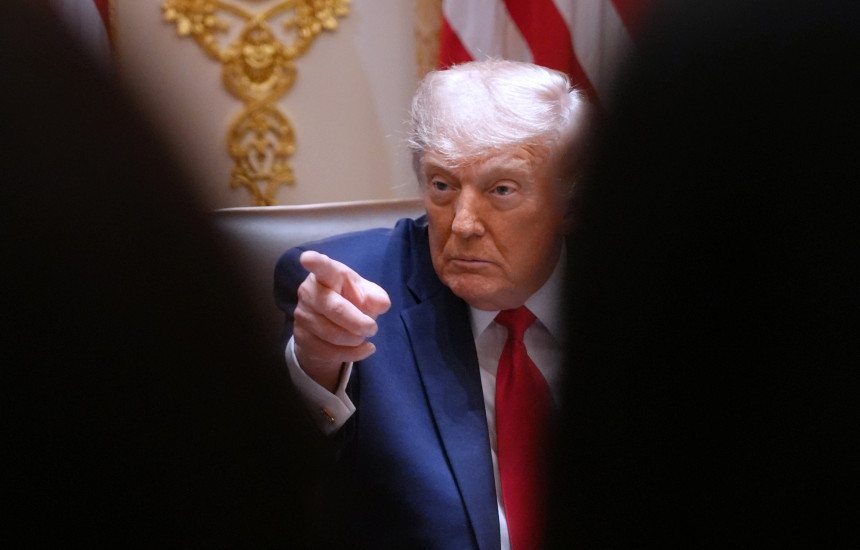
The President of the United States of America, Donald Trump, said on Monday that he spoke with the Prime Minister of Israel, Benjamin Netanyahu, regarding the fighting in Lebanon, and he also spoke with representatives of Hezbollah through mediators, reports the “AP” agency.
In a post on social networks, Trump said that “Israeli troops will not go to Beirut, and every soldier who was headed in that direction has turned back.”
He also said that Hezbollah “has agreed to stop the attacks”.
“Israel will not attack them, and they will not attack Israel,” Trump wrote.
Netanyahu has confirmed the conversation with Trump, but has revealed that he told the American president that Israel will strike Beirut if Hezbollah does not stop the attacks. He said that the Israeli Army will continue to “operate according to plan” in southern Lebanon.
Meanwhile, the Office of the President of Lebanon, Joseph Aoun, has announced that the country’s authorities have received “confirmation of Hezbollah’s acceptance of the US proposal for a mutual cessation of attacks.”
“Under the proposed agreement, Israeli attacks on the southern suburbs of Beirut would cease in exchange for Hezbollah’s restraint in attacks against Israel, with the ceasefire extending to all Lebanese territory.”
Israel and Hezbollah agreed to a cease-fire in mid-April, but attacks have resumed following Israel’s strikes in Lebanon. Israel said those attacks were in self-defense.