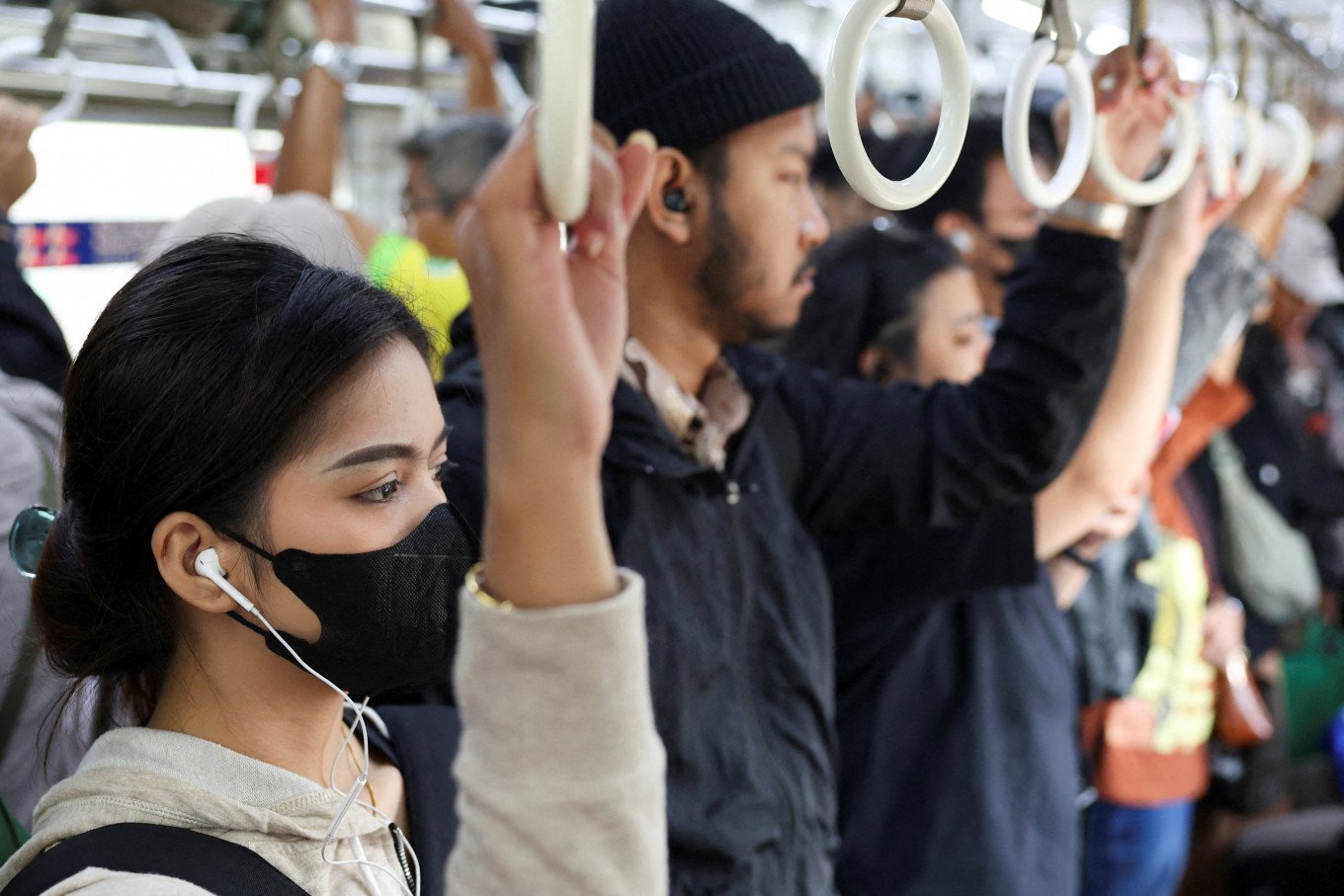
very morning, before offices open their doors and city halls begin logging official data, another urban landscape appears. It stretches across toll roads, railways, motorcycle lanes, bridges, informal shortcuts and narrow alleys.
This transient cityscape is built entirely by people who sleep in one jurisdiction, work in another, stop somewhere else to shop or study and spend a large part of their waking lives in the spaces between. This is the real metropolitan Indonesia, but not necessarily the Indonesia our policies are designed to see.
For decades, cities have been governed largely through administrative maps: where people are registered, where they sleep, which district collects their taxes, which mayor or regent is responsible. But metropolitan life no longer follows these lines.
A newly released study by Statistics Indonesia (BPS), “Wilayah Statistik Metropolitan Indonesia” (Indonesian Metropolitan Statistical Area) shows that urban regions should be understood increasingly through functional relationships, including where people live and work, how they move and how often they cross boundaries in daily life.
The study combines mobile positioning data and a digital survey to map home-work patterns and commuting flows across 10 priority metropolitan areas. This undertaking matters, because Indonesia is not only urbanizing but also metropolitanizing.
The old story of urbanization was simple: People moved from villages to cities. The new story is more complicated: People may live in suburban housing estates, work in the city center, depend on services in another municipality and remain tied to extended family networks elsewhere. Yet public policy often plans for where people sleep, not where they live their day.

Every Thursday
This spatial mismatch produces what can be called an invisible daytime city. At night, people are counted as residents of a specific locality. By morning, however, they morph into fluid users of another, heavily utilizing its roads, trains, buses, public spaces, offices, schools, clinics, food stalls and commercial centers. The administrative city remains completely stable on paper, but the functional city dramatically expands and contracts every single day.