Washington/The United States bombed targets in Iran again this Wednesday, just one day after President Donald Trump ended the truce between the two countries. The new offensive, carried out by the United States Central Command (Centcom), focused on facilities located on the southern Iranian coast and on the island of Kharg, with the argument of protecting freedom of navigation in the Strait of Hormuz, one of the most strategic sea routes in the world.
Centcom stated in a statement published in According to the US military command, the attacks seek to reduce Iran’s ability to threaten maritime traffic in the area.
The operation occurred after Iran attacked several commercial vessels in the Strait of Hormuz, an episode that once again raised tension in the Persian Gulf. According to the information available, the US bombings caused the death of at least eight Iranian soldiers and a member of the Revolutionary Guard.
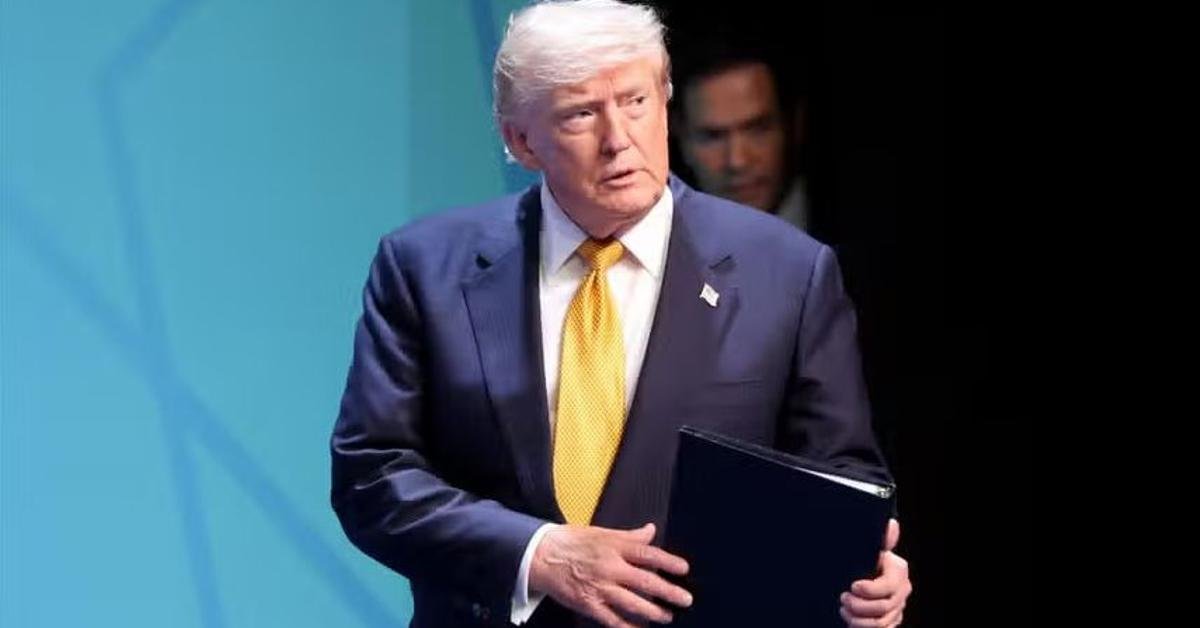
The escalation of hostilities comes after the abrupt change in position by Trump, who on Tuesday ended the ceasefire reached between Washington and Tehran. During a speech at the NATO summit, the president ruled out any possibility of resuming negotiations and harshly attacked the Iranian authorities.
The Revolutionary Guard claimed responsibility for a wave of 85 attacks against US military bases located in several countries in the Persian Gulf
“For me it’s over. I don’t want to negotiate with them, because they are trash. They are sick people, led by sick, bad, violent people. If they had a nuclear weapon, they would use it,” declared the American president.
Iran responded by denouncing that the new offensive constitutes a “clear violation” of the permanent ceasefire agreement reached on June 17 between both countries. Iranian authorities maintain that Washington unilaterally broke the pact and warned that they will respond to military escalation.
Hours after the bombings, the Revolutionary Guard claimed responsibility for a wave of 85 attacks against US military bases located in several countries in the Persian Gulf. According to the official Irna agency, the operations combined the launch of missiles and the use of drones against United States facilities in the region.
The new escalation returns the Middle East to a scenario of open confrontation just weeks after the announcement of an agreement that seemed to have temporarily reduced tensions. The Strait of Hormuz, through which a substantial part of the world’s oil trade transits, is thus once again at the center of the conflict, while the risk of an extension of hostilities to other Gulf countries increases.